
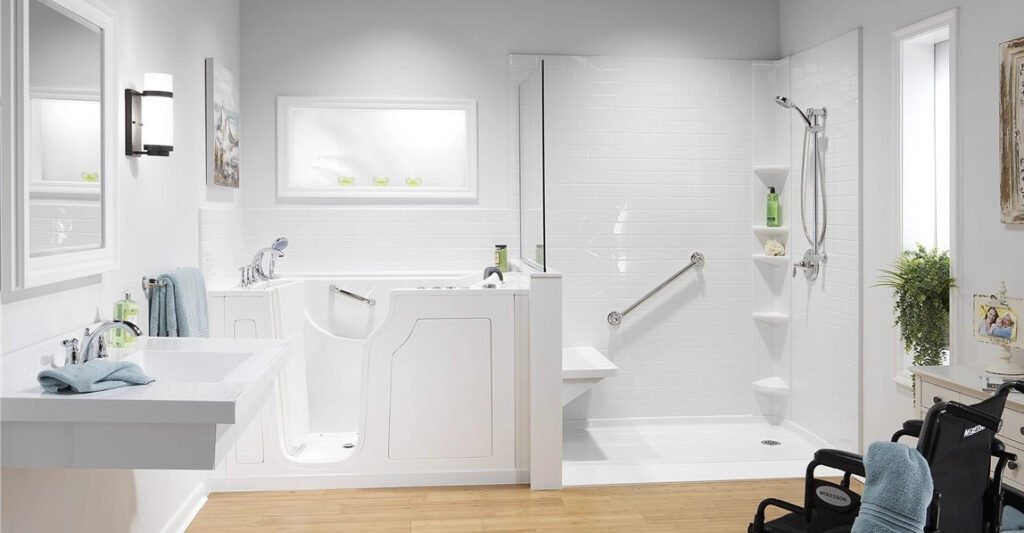
Understanding walk-in tub water pressure requirements is essential for anyone considering a therapeutic bathing solution at home. The right water pressure ensures that the tub’s jets function efficiently, providing the full benefits of hydrotherapy and comfort. Many homeowners overlook this technical aspect, but it can make a significant difference in both the performance and longevity of your walk-in tub.
Before installation, it’s important to assess your home’s plumbing system and verify that it can deliver the necessary water flow. This guide covers the key factors that influence water pressure, recommended PSI (pounds per square inch) levels, and practical steps to optimize your walk-in tub experience. We’ll also touch on related topics, such as frame construction and how these requirements tie into overall bathroom safety and comfort.
For those interested in the structural side of things, you may want to learn more about walk-in tub frame construction types to ensure your tub is not only functional but also durable and safe.
Why Water Pressure Matters for Walk-In Tub Jets
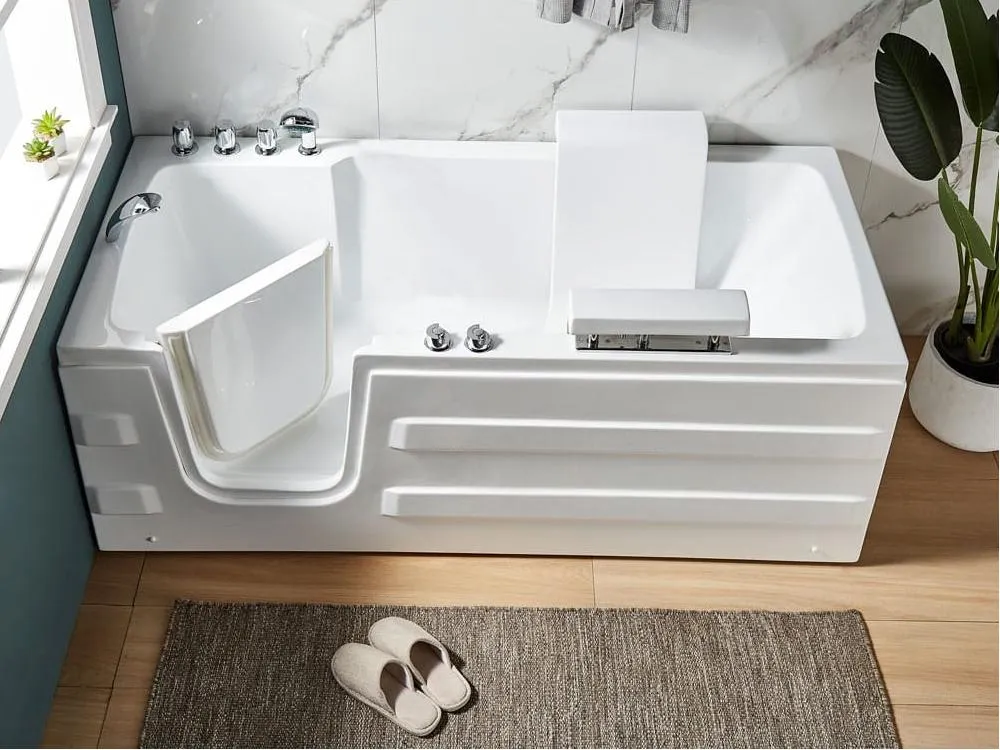
The therapeutic benefits of a walk-in tub largely depend on the performance of its hydrotherapy jets. These jets require a consistent and adequate water flow to deliver massaging action that soothes muscles and joints. If the water pressure is too low, the jets may produce weak streams, reducing their effectiveness and making the bathing experience less enjoyable.
On the other hand, excessively high pressure can strain the tub’s plumbing components, potentially leading to leaks or premature wear. Striking the right balance is crucial for both comfort and the long-term reliability of your walk-in tub.
Recommended Water Pressure Levels for Walk-In Tubs
Most manufacturers specify a minimum and maximum water pressure range for optimal jet operation. Generally, the ideal range falls between 40 and 60 PSI (pounds per square inch). This range ensures that the jets operate at full strength without causing undue stress on the plumbing system.
- Minimum Pressure (40 PSI): Ensures jets activate and provide therapeutic massage.
- Optimal Pressure (50–60 PSI): Delivers robust jet performance for maximum comfort.
- Maximum Pressure (80 PSI): Should not be exceeded to avoid damaging fixtures and seals.
It’s important to check your home’s water pressure using a simple gauge, which can be attached to an outdoor faucet or laundry hookup. If your pressure is below 40 PSI, you may need to consult a plumber to adjust your system or install a booster pump.
Factors Affecting Water Pressure in Your Home
Several elements can influence whether your plumbing system meets the walk-in tub water pressure requirements for optimal jet use:
- Pipe Size and Material: Older homes with narrow or corroded pipes may experience reduced flow rates.
- Distance from Water Source: Tubs located far from the main supply may see pressure drops.
- Water Heater Capacity: Since walk-in tubs use a significant amount of hot water, ensure your heater can keep up without reducing pressure.
- Pressure Regulators: Some homes have regulators that cap pressure to protect plumbing. These may need adjustment.
- Municipal Supply Variations: City water pressure can fluctuate, especially during peak usage times.
Addressing these factors before installation helps prevent issues and ensures a satisfying bathing experience.
How to Test and Adjust Water Pressure
Testing your water pressure is a straightforward process. Attach a pressure gauge to an accessible faucet and open the tap fully. The gauge will display your system’s PSI. If the reading is below the recommended range, consider these solutions:
- Check for clogged aerators or filters in faucets and showerheads.
- Inspect pipes for leaks or corrosion.
- Adjust or replace the pressure regulator if present.
- Install a booster pump for persistent low-pressure issues.
For those with high water pressure (above 80 PSI), a pressure-reducing valve can help protect your walk-in tub and other fixtures from damage.
Ensuring Consistent Performance of Tub Jets
Maintaining steady water pressure is not just about comfort—it’s also about protecting your investment. Inconsistent or inadequate pressure can cause jets to sputter, reduce the effectiveness of cleaning cycles, and even void manufacturer warranties. Regular maintenance and prompt attention to plumbing issues will help keep your walk-in tub operating at its best.
It’s also wise to review the understanding walk-in tub warranty terms to ensure you remain compliant with manufacturer requirements regarding water pressure and installation standards.
Additional Considerations for Safe and Comfortable Bathing
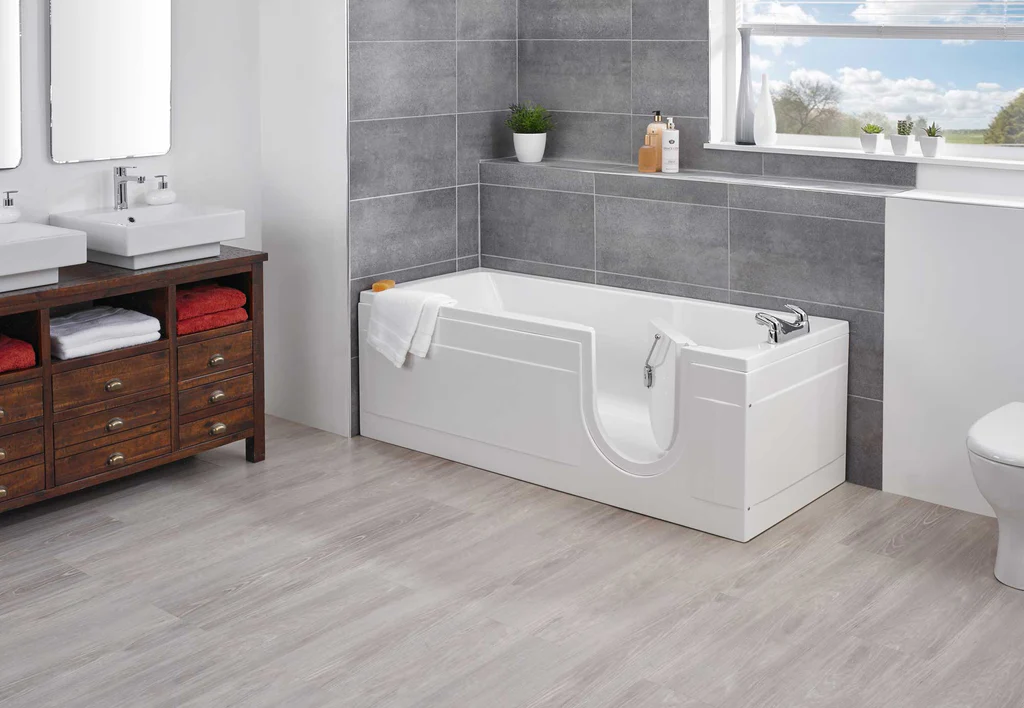
Besides water pressure, consider other elements that contribute to a safe and enjoyable bathing environment. Proper grab bars, non-slip flooring, and adequate ventilation all play a role. For more on safety, see the detailed discussion on walk-in shower grab bar weight ratings and walk-in shower ventilation requirements to prevent moisture buildup.
Additionally, walk-in tubs can impact bathroom humidity levels. It’s helpful to understand the impact of walk-in tubs on bathroom humidity and how to manage it for a healthier home.
Comparing Walk-In Tubs and Showers for Water Efficiency
While walk-in tubs offer therapeutic benefits, they typically use more water than standard showers. However, with the right pressure and efficient plumbing, water consumption can be managed. For those considering alternatives, the benefits of walk-in showers for elderly users may also be worth exploring, especially if water conservation is a priority.
Frequently Asked Questions
What happens if my home’s water pressure is too low for a walk-in tub?
If your water pressure falls below the recommended 40 PSI, the jets may not function properly, resulting in weak or inconsistent massage action. You may need to upgrade your plumbing, install a booster pump, or consult a professional plumber to resolve the issue.
Can high water pressure damage my walk-in tub?
Yes, water pressure above 80 PSI can strain the tub’s plumbing, cause leaks, and potentially void your warranty. Installing a pressure-reducing valve helps keep pressure within safe limits and protects your investment.
How do I check if my current plumbing meets the requirements?
Use a pressure gauge on an accessible faucet to measure your home’s PSI. Compare the reading to the manufacturer’s recommended range (typically 40–60 PSI). If adjustments are needed, consult a plumber before installing your walk-in tub.
Are there walk-in tubs designed for homes with lower water pressure?
Some models are engineered to operate efficiently at lower pressures, but always check the specifications before purchasing. If your home consistently has low pressure, discuss options with a supplier or installer to find a suitable solution.
Conclusion
Meeting the proper walk-in tub water pressure requirements is crucial for enjoying the full therapeutic benefits of your tub’s jets. By understanding the recommended PSI range, testing your plumbing, and making necessary adjustments, you can ensure a safe, comfortable, and effective bathing experience. Don’t overlook related aspects such as tub construction, bathroom ventilation, and safety features to create a truly accessible and relaxing space.