
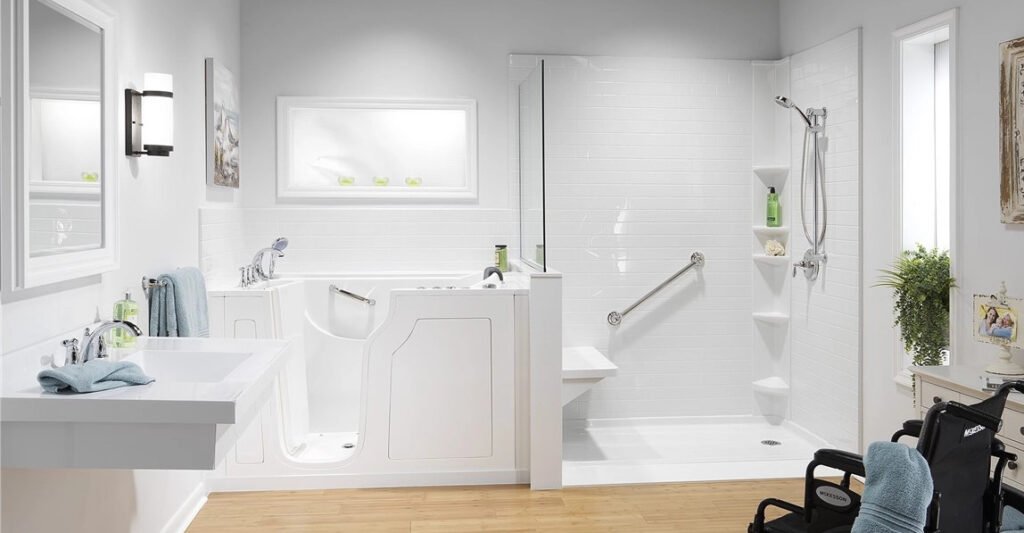
Walk-in tubs have become a popular choice for those seeking safer, more accessible bathing solutions, especially for seniors and people with mobility challenges. One of the most common questions from homeowners considering this upgrade is how much water does a walk-in tub use compared to standard bathtubs or showers. Understanding water capacity, efficiency, and the practical impact on your daily routine and utility bills is essential before making a decision.
In this article, you’ll find a clear breakdown of typical walk-in tub water usage, factors that affect capacity, and tips for maximizing efficiency. If you’re also interested in learning about what are walk-in tubs and their features, be sure to explore our comprehensive guide.
Typical Water Usage of Walk-In Bathtubs
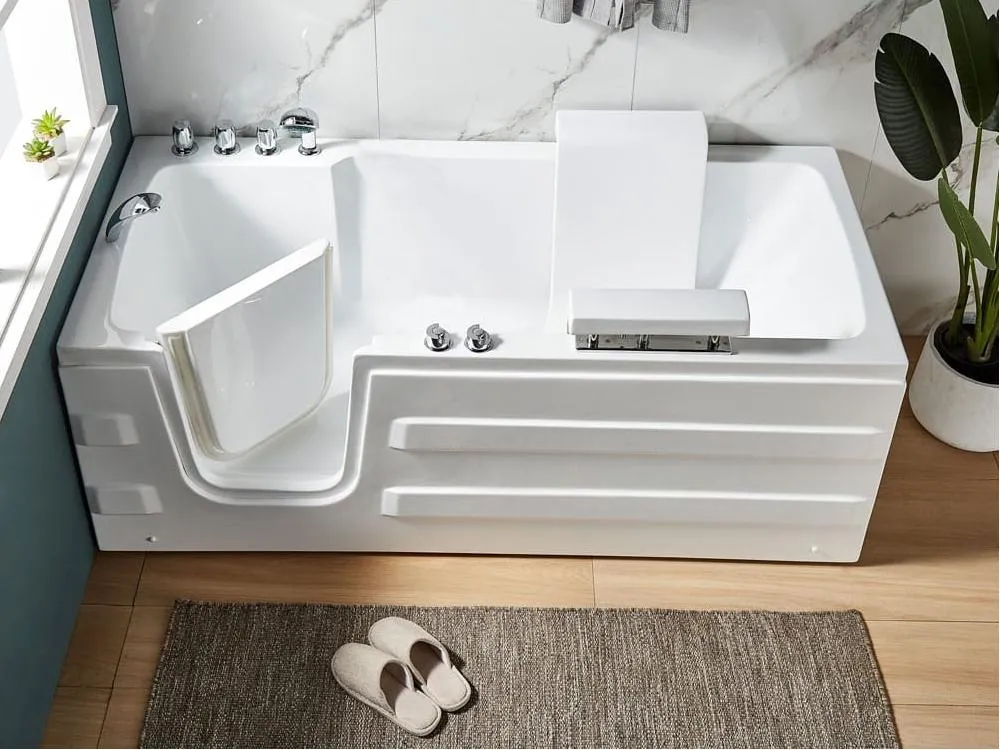
The amount of water required to fill a walk-in tub depends on several factors, including the model, size, and design. On average, most walk-in tubs hold between 40 and 80 gallons of water per bath. This is generally more than a standard bathtub, which typically uses 30 to 50 gallons, but less than some luxury soaking tubs.
Here is a quick comparison of water capacities:
| Type of Tub | Average Water Capacity (Gallons) |
|---|---|
| Standard Bathtub | 30–50 |
| Walk-In Tub | 40–80 |
| Soaking/Luxury Tub | 60–100+ |
The higher water usage in walk-in tubs is mainly due to their upright seating and deeper design, which allows for full-body immersion while maintaining a compact footprint.
Factors That Influence Water Capacity
Not all walk-in tubs are created equal. The actual volume of water needed can vary based on several aspects:
- Size and Shape: Larger models or those with wider seats naturally require more water to fill.
- Depth: Deeper tubs offer a more immersive experience but use more water per bath.
- Built-In Features: Tubs with hydrotherapy jets, air bubbles, or heated surfaces may have different water requirements.
- User Preferences: Some people prefer a fuller tub, while others are comfortable with less water.
If you’re considering a walk-in tub for aging in place, it’s also important to look at the safety features of walk-in bathtubs to ensure the model you choose meets your specific needs.
Comparing Water Efficiency: Walk-In Tubs vs. Showers
Many homeowners wonder if switching to a walk-in tub will significantly increase their water usage compared to showers. The answer depends on the length and type of shower you typically take. A standard shower uses about 2.1 gallons per minute, so a 10-minute shower consumes roughly 21 gallons. However, longer or high-flow showers can use much more.
Walk-in tubs generally use more water per session than a quick shower but may be comparable to or even less than a long, relaxing shower. For those prioritizing benefits of walk-in showers for seniors, showers remain the most water-efficient option, especially when equipped with low-flow showerheads.
For more on the advantages of accessible showers, see this detailed guide to walk-in showers for elderly users.
How to Maximize Water Efficiency With Walk-In Tubs
While walk-in tubs use more water than standard showers, there are several ways to minimize water consumption and maintain efficiency:
- Choose the Right Size: Select a tub that matches your body size and comfort needs without excess volume.
- Partial Fills: You don’t always need to fill the tub to the brim. Adjust water level to your comfort.
- Efficient Fixtures: Install high-efficiency faucets and consider a tankless water heater for rapid refills and less wasted water.
- Regular Maintenance: Keep jets and drains clean to ensure optimal performance and avoid leaks.
- Monitor Bathing Frequency: Limit full tub baths to a few times a week and use showers for daily cleansing.
Impact on Water Heater and Plumbing
Since walk-in tubs require a larger volume of hot water, it’s important to ensure your water heater can handle the demand. A typical 40- to 50-gallon water heater may not be sufficient for the largest models, especially if you want a full, warm soak. Upgrading to a larger or tankless water heater can help, but this may add to installation costs.
Plumbing upgrades may also be necessary to accommodate the higher flow rates required for fast filling and draining. Consult a professional installer to assess your home’s readiness and avoid surprises.
Cost Considerations: Water Bills and Maintenance
The increased water usage from a walk-in tub can have a modest impact on your monthly water bill, especially if used frequently. However, for most households, the difference is manageable, particularly if you balance tub baths with regular showers. Maintenance costs are generally low, but keeping your tub clean and well-maintained will help prevent leaks and ensure efficient operation.
If you’re concerned about utility expenses, you may also want to explore utility bill assistance programs for seniors that can help offset costs.
Is a Walk-In Tub Right for You?
Deciding whether a walk-in tub is the best fit depends on your personal needs, available bathroom space, and willingness to invest in potential plumbing or water heater upgrades. For those prioritizing safety, accessibility, and comfort, the benefits often outweigh the extra water usage.
If you’re looking for other ways to improve comfort and accessibility at home, consider these simple home upgrades for elderly comfort to complement your new bathing solution.
Frequently Asked Questions
How long does it take to fill and drain a walk-in tub?
Most walk-in tubs take between 6 and 10 minutes to fill, depending on your home’s water pressure and the tub’s size. Draining times are similar, though some models feature quick-drain technology to speed up the process. It’s best to check the manufacturer’s specifications for exact times.
Can my existing water heater support a walk-in tub?
If your water heater is 40 gallons or less, it may not provide enough hot water for a full bath in larger walk-in tubs. For optimal comfort, a 50-gallon or larger water heater, or a tankless system, is recommended. Always consult a plumber before installation.
Are there walk-in tubs that use less water?
Yes, some compact or low-threshold walk-in tubs are designed to use less water, typically in the 40–50 gallon range. These models are ideal for smaller bathrooms or for users who want to minimize water consumption.