
Walk-in tubs have become a popular solution for enhancing bathroom safety and accessibility, especially for seniors and individuals with mobility challenges. However, many homeowners wonder about the impact of walk-in tubs on bathroom humidity and how these fixtures might affect ventilation needs. Understanding these factors is essential for maintaining a healthy, comfortable, and mold-free bathroom environment.
This article explores how walk-in tubs influence moisture levels, what ventilation considerations are necessary, and practical steps to ensure optimal air quality. We’ll also compare walk-in tubs to other bathing options and provide actionable advice for managing humidity in your home.
For readers interested in the technical side of tub construction, you may want to learn more about walk-in tub frame construction types and how different materials can influence not only durability but also moisture retention and heat transfer in your bathroom.
How Walk-In Tubs Affect Moisture Levels
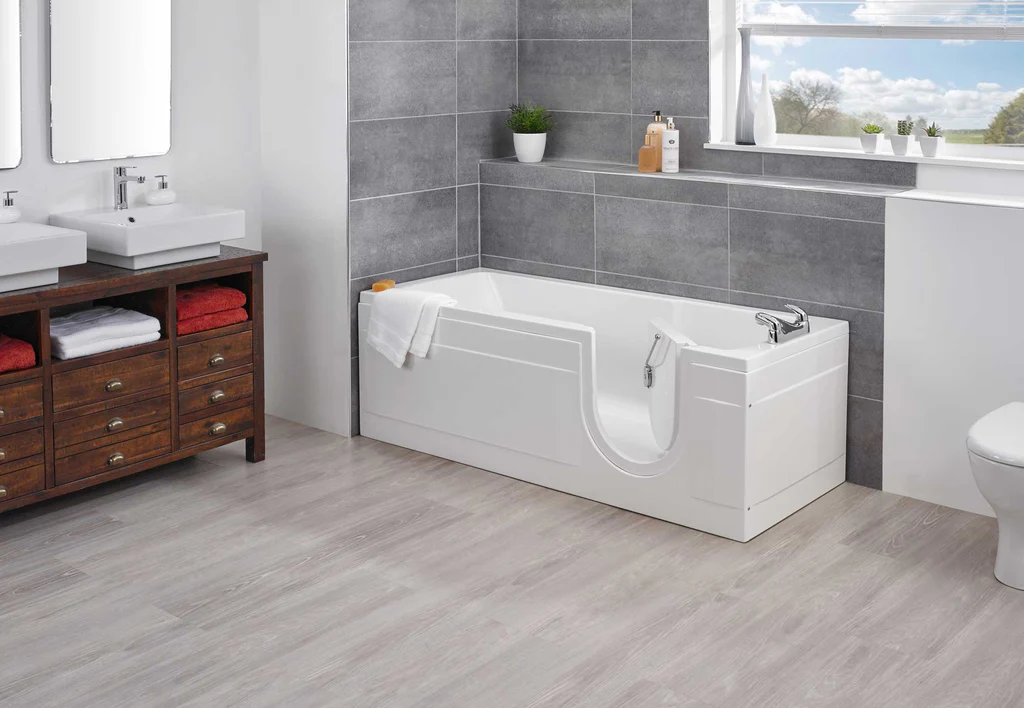
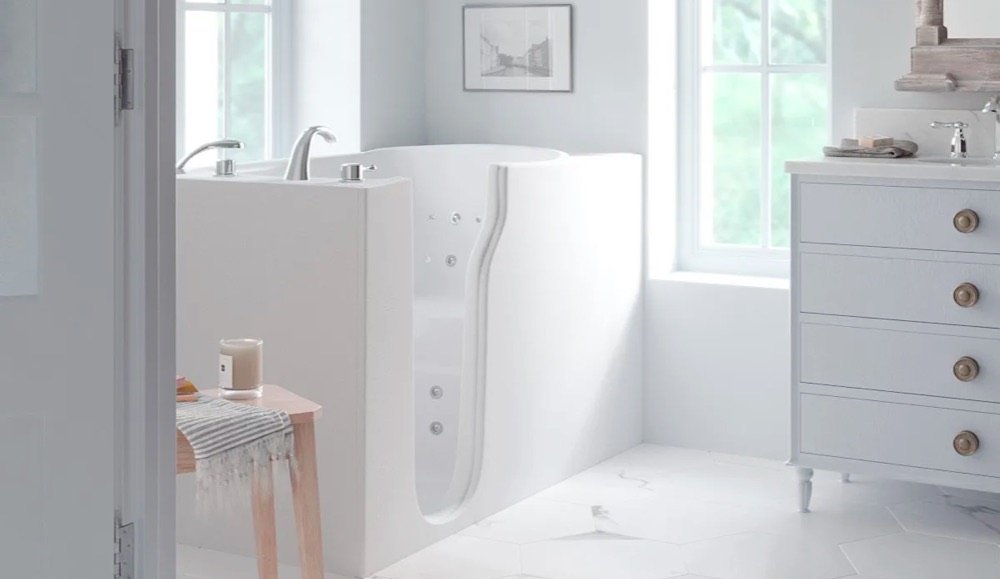
The introduction of a walk-in tub changes the way water is used and contained in a bathroom. Unlike traditional bathtubs, these units feature high walls and a watertight door, allowing users to fill the tub to a deeper level. This design can increase the amount of steam and moisture released during a bath, especially if the water is hot or if the bather soaks for an extended period.
Key factors influencing humidity include:
- Water Volume: Walk-in tubs typically hold more water than standard tubs, leading to more evaporation and potential humidity buildup.
- Soaking Duration: Longer baths mean more time for steam to accumulate, especially in smaller bathrooms.
- Enclosure Design: Some walk-in tubs have partial or full enclosures, which can trap steam and increase localized humidity.
Ventilation Requirements for Walk-In Tub Bathrooms
Proper ventilation is essential to counteract the impact of walk-in tubs on bathroom humidity. Without adequate airflow, excess moisture can lead to mold growth, peeling paint, and even structural damage over time. Here are some strategies to maintain a healthy environment:
- Install a High-Capacity Exhaust Fan: Choose a fan rated for your bathroom’s size and moisture output. For walk-in tubs, a higher CFM (cubic feet per minute) rating may be necessary to handle the extra steam.
- Use the Fan During and After Bathing: Run the exhaust fan for at least 20–30 minutes after each use to remove lingering humidity.
- Consider a Humidity-Sensing Fan: These fans automatically activate when moisture levels rise, ensuring consistent ventilation without manual operation.
- Open Windows When Possible: Natural ventilation can quickly reduce humidity, especially in mild weather.
For more on safety and support in accessible bathrooms, see our guide on walk-in shower grab bar weight ratings, which covers proper installation and support for users of all ages.
Comparing Walk-In Tubs and Other Bathing Options
When evaluating the effects of walk-in tubs on humidity, it’s helpful to compare them to other common bathing fixtures:
| Feature | Walk-In Tub | Standard Tub | Shower |
|---|---|---|---|
| Water Volume | High | Moderate | Low to Moderate |
| Steam Generation | High (with hot water and long soaks) | Moderate | High (with hot showers) |
| Ventilation Needs | High | Moderate | High |
| Risk of Mold/Mildew | Higher if not ventilated | Moderate | Higher if not ventilated |
While showers can also produce significant steam, the deep soaking nature of walk-in tubs means they can contribute more sustained humidity, especially in bathrooms with limited airflow.
Best Practices for Managing Bathroom Humidity
To minimize the humidity impact of walk-in tubs, consider these practical tips:
- Seal and Insulate: Ensure all tub seals are intact to prevent leaks that can add to ambient moisture.
- Wipe Down Surfaces: After bathing, use a squeegee or towel to dry walls, doors, and fixtures, reducing residual dampness.
- Maintain Your Fan: Clean exhaust fan grilles regularly to keep airflow unobstructed.
- Monitor Humidity: Use a hygrometer to track moisture levels. Aim for 40–60% relative humidity in your bathroom.
- Upgrade Ventilation if Needed: If you notice persistent condensation or musty odors, consider upgrading to a more powerful fan or adding a secondary ventilation source.
For those interested in maximizing comfort and safety, our article on the best water temperature for walk-in tubs provides guidance on balancing warmth with energy efficiency and user well-being.
Additional Considerations: Materials, Safety, and Aging in Place
The materials used in your walk-in tub can also play a role in how moisture is managed. For example, acrylic and fiberglass surfaces are less likely to absorb water than porous materials, making them easier to keep dry. For more on this, see our resource on walk-in tub frame construction types.
Safety certifications and warranties are also important when choosing a walk-in tub, as they can indicate the quality of seals and construction. Our walk-in tub safety certification checklist and guide to understanding walk-in tub warranty terms offer detailed advice for making an informed purchase.
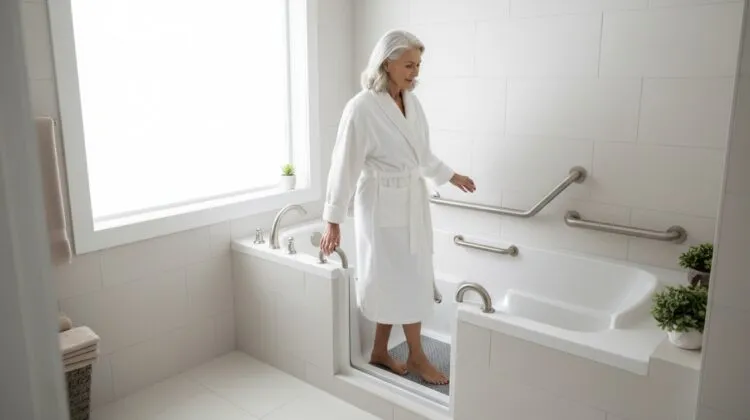
For those considering the broader implications for aging in place, comparing walk-in tubs and walk-in showers for aging in place can help you weigh safety, accessibility, and maintenance factors.
Frequently Asked Questions
Do walk-in tubs increase the risk of mold in bathrooms?
Walk-in tubs can contribute to higher humidity levels, which, if not managed with proper ventilation, may increase the risk of mold and mildew. Using an effective exhaust fan and wiping down surfaces after use are key steps to prevent mold growth.
What type of exhaust fan is best for a bathroom with a walk-in tub?
Choose an exhaust fan with a higher CFM rating than you might use for a standard tub, as walk-in tubs can generate more steam. Humidity-sensing fans are especially useful because they activate automatically when moisture levels rise.
Is it necessary to open a window when using a walk-in tub?
While not always required, opening a window during and after bathing can help quickly reduce humidity. This is especially helpful in bathrooms without a powerful exhaust fan or in climates where natural ventilation is practical.
Conclusion
Walk-in tubs offer significant benefits for safety and accessibility, but they also require thoughtful attention to humidity and ventilation. By understanding how these tubs affect moisture levels and implementing best practices for airflow, you can enjoy the comfort and convenience of a walk-in tub without compromising your bathroom’s air quality or structure. Regular maintenance, proper fan use, and awareness of materials all contribute to a healthier, more enjoyable bathing experience.