

Proper ventilation is essential for any bathroom, but it becomes especially critical when installing a walk-in shower. Without effective airflow, excess humidity can lead to mold, mildew, and even structural damage over time. Understanding walk-in shower ventilation requirements helps homeowners, contractors, and designers create healthier, longer-lasting spaces that are easier to maintain.
This article explains the key principles behind moisture control in walk-in showers, outlines the most important code requirements, and offers practical tips for ensuring your bathroom remains dry and comfortable. Whether you’re planning a new installation or upgrading an existing space, following these guidelines will help you avoid common pitfalls and protect your investment.
For those interested in additional safety features, understanding walk-in shower grab bar weight ratings can further enhance your bathroom’s accessibility and support.
Why Moisture Control Is Essential in Walk-In Showers
Bathrooms are naturally humid environments, but walk-in showers often generate even more moisture due to their open design and frequent use. Without proper ventilation, this humidity can accumulate on walls, ceilings, and fixtures, leading to:
- Mold and mildew growth on grout, tile, and drywall
- Peeling paint or wallpaper
- Warped cabinetry and doors
- Unpleasant odors and poor indoor air quality
- Potential damage to structural framing and insulation
By meeting or exceeding ventilation standards, you can significantly reduce these risks and create a more comfortable, hygienic environment.
Key Walk-In Shower Ventilation Requirements
Building codes and best practices set out specific expectations for managing humidity in bathrooms with showers. Here are the most important ventilation guidelines to follow:
- Mechanical exhaust fan: Most codes require a mechanical exhaust fan in any bathroom containing a shower. The fan should be vented directly to the outdoors, not just into an attic or crawlspace.
- Minimum airflow: The International Residential Code (IRC) and many local codes specify a minimum ventilation rate of 50 cubic feet per minute (CFM) for intermittent use, or 20 CFM for continuous operation.
- Proper fan placement: The exhaust fan should be located near or directly above the shower to capture steam and moisture at the source.
- Humidity sensors: Modern fans with built-in humidity sensors can automatically activate when moisture levels rise, ensuring consistent performance.
- Make-up air: To allow air to flow into the bathroom as the fan exhausts it, there should be a gap under the door or a transfer grille.
Meeting these walk-in shower ventilation requirements is the foundation for a safe and durable bathroom.
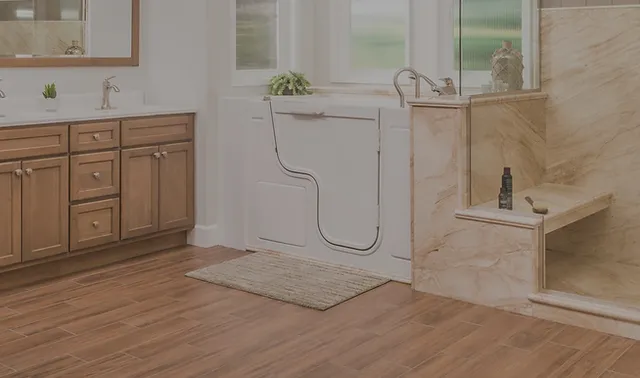
Choosing the Right Exhaust Fan for Your Walk-In Shower
Selecting an appropriate exhaust fan is crucial for effective moisture removal. Consider the following factors:
- CFM rating: Calculate the required CFM by multiplying the bathroom’s square footage by 1.1 (for 8-foot ceilings). For larger or more frequently used showers, consider a higher-capacity fan.
- Noise level: Look for fans rated at 1.5 sones or lower for quiet operation.
- Energy efficiency: ENERGY STAR® certified fans use less electricity and often perform better over time.
- Special features: Options like humidity sensors, timers, and integrated lighting can enhance convenience and performance.
Proper sizing and installation ensure that your fan meets or exceeds ventilation requirements for bathrooms with walk-in showers.
Supplemental Strategies for Moisture Management
While a quality exhaust fan is the primary defense against excess humidity, additional steps can further protect your bathroom:
- Open windows: If possible, open a window during and after showering to boost natural ventilation.
- Wipe down surfaces: Squeegee glass doors and tiles after each use to remove lingering moisture.
- Seal grout and tile: Regularly apply sealant to prevent water from penetrating porous surfaces.
- Keep doors open: Leave the bathroom door open after showering to promote airflow.
Combining these habits with code-compliant ventilation will help keep your walk-in shower dry and free from moisture-related issues.

Common Mistakes to Avoid with Bathroom Ventilation
Even with good intentions, some homeowners and contractors make errors that compromise moisture control. Here are a few pitfalls to watch for:
- Venting into attics: Exhaust fans must always vent outdoors. Dumping moist air into an attic can cause rot and mold above the ceiling.
- Undersized fans: Choosing a fan with too low a CFM rating won’t effectively remove steam from a walk-in shower.
- Poor placement: Installing the fan too far from the shower or behind obstructions reduces its effectiveness.
- Neglecting maintenance: Dust and debris can clog fan grilles and reduce airflow. Clean and inspect your fan regularly.
Avoiding these mistakes ensures your bathroom stays dry and healthy for years to come.
Integrating Ventilation with Other Safety Features
Ventilation is just one aspect of a safe and accessible bathroom. When designing a walk-in shower, consider integrating other features such as grab bars, non-slip flooring, and easy-to-reach controls. For a deeper dive into construction options, explore topics like walk-in tub frame construction types or review a walk-in tub safety certification checklist to ensure your space meets all safety standards.
For seniors and those with mobility concerns, these reasons make a walk-in tub a must-have for comfort and peace of mind.
Frequently Asked Questions
What is the minimum ventilation rate required for a bathroom with a walk-in shower?
Most building codes require a mechanical exhaust fan capable of at least 50 CFM for intermittent use or 20 CFM for continuous operation. Always check your local code for specific requirements, as some areas may have stricter standards.
Can I use a window instead of an exhaust fan for ventilation?
Some codes allow a window that opens to the outdoors as an alternative, but a mechanical exhaust fan is generally recommended for consistent and reliable moisture control, especially in bathrooms with walk-in showers.
How often should I run the exhaust fan after showering?
It’s best to run the fan during your shower and for at least 20–30 minutes afterward to remove lingering humidity. Fans with humidity sensors can automate this process for added convenience.
Conclusion
Meeting walk-in shower ventilation requirements is not just about code compliance—it’s about protecting your home and your health. By installing a properly sized exhaust fan, maintaining good airflow, and adopting smart moisture management habits, you can enjoy a clean, comfortable, and long-lasting bathroom. For further reading on related topics, consider learning about the best water temperature for walk-in tubs or understanding walk-in tub warranty terms to make informed choices for your next renovation.