For older adults, maintaining a safe home environment is essential. One of the most overlooked dangers is carbon monoxide (CO) exposure, which can be especially hazardous for seniors. Many local and national initiatives now offer carbon monoxide detector programs for seniors, making it easier for older adults to access life-saving devices at little or no cost. Understanding how these programs work, who qualifies, and where to find them can help families and caregivers protect their loved ones from this invisible threat.
This article explores the importance of CO safety for older adults, highlights available assistance options, and provides practical tips for navigating these resources. If you’re interested in broader home safety or repair support, you may also want to learn about urgent home repairs for low income seniors and other related programs.

Why Carbon Monoxide Safety Matters for Older Adults
Carbon monoxide is a colorless, odorless gas produced by burning fuel in appliances such as furnaces, water heaters, fireplaces, and stoves. Exposure can cause symptoms ranging from headaches and dizziness to confusion, unconsciousness, or even death. Seniors are particularly vulnerable due to age-related changes in health and slower response times to warning signs.
Installing CO alarms is a simple yet effective way to prevent tragedy. However, not all seniors have the resources or knowledge to install these devices themselves. That’s where specialized CO detector assistance programs come in, providing both education and free or discounted alarms.
Types of Carbon Monoxide Detector Assistance for Seniors
There are several types of support available to help older adults access CO alarms:
- Local fire departments often run outreach initiatives, offering free detectors and installation for seniors in their service area.
- Nonprofit organizations may provide home safety checks and install alarms as part of broader aging-in-place services.
- Government-funded programs at the city, county, or state level sometimes include CO detector distribution as part of home repair or weatherization efforts.
- Utility companies occasionally partner with agencies to supply alarms to vulnerable customers.
Eligibility typically depends on age, income, or disability status. Some initiatives focus on low-income households, while others serve all older adults in a given area.
How to Find Free or Low-Cost CO Alarms for Seniors
Locating the right program can feel overwhelming, but a few key strategies can help:
- Contact your local fire department. Many departments have outreach staff or community risk reduction officers who can connect you with available resources.
- Check with your Area Agency on Aging (AAA). These agencies often maintain lists of home safety programs, including CO detector distribution.
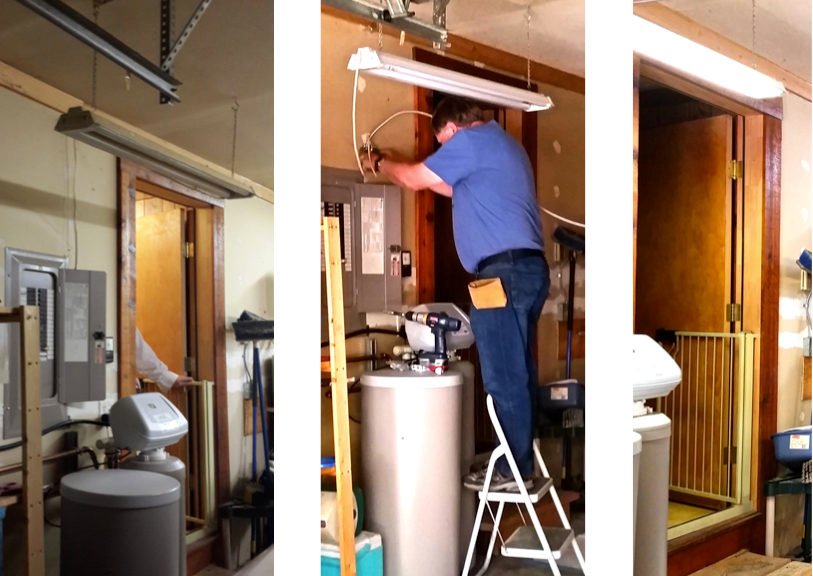
- Explore nonprofit and faith-based organizations. Groups like Rebuilding Together, Habitat for Humanity, and local senior centers may offer installation services or partner with other agencies to provide alarms.
- Review government and utility programs. Some states and cities have dedicated funding for home safety upgrades. For example, USDA and rural development initiatives sometimes include CO detectors as part of broader home repair support. Learn more in our USDA home repair programs for seniors guide.
- Ask your healthcare provider or social worker. Medical professionals and case managers often know about local resources for vulnerable populations.
For additional ideas, this overview of government and community programs for senior home repairs explains how to access a variety of safety and repair services.
What to Expect from CO Detector Distribution Initiatives
The process for receiving a free or discounted alarm usually involves a few simple steps:
- Application or referral: Seniors or their caregivers may need to fill out a short form or be referred by a partner agency.
- Eligibility verification: Some programs require proof of age, income, or residency.
- Home visit or pickup: In many cases, a trained volunteer or firefighter will visit the home to install the alarm and provide safety education. Other times, alarms can be picked up at a community center.
- Follow-up: Some organizations offer periodic check-ins to ensure the alarm is functioning and to answer questions.
It’s important to note that while many programs focus on CO alarms, some also provide smoke detectors, fire extinguishers, and other home safety devices.
Additional Home Safety and Repair Resources
CO alarms are just one part of a comprehensive home safety plan for older adults. Many seniors also benefit from other repair and modification programs designed to support independent living. For example, those who have served in the military may be eligible for veterans home repair benefits for seniors, while those in rural areas can look into rural development home repair grants for seniors.
Medicaid recipients may qualify for Medicaid home modification programs that cover a range of safety improvements, including CO and smoke detectors, grab bars, ramps, and more. These programs work together to reduce risks and help seniors remain safely in their own homes.
Tips for Maintaining Carbon Monoxide Alarms
Once a CO detector is installed, ongoing maintenance is crucial. Here are some best practices:
- Test alarms monthly by pressing the test button.
- Replace batteries at least once a year or as directed by the manufacturer.
- Clean the device regularly to prevent dust buildup.
- Replace the entire unit every 5–7 years, as sensors degrade over time.
- Ensure alarms are installed on every level of the home, especially near sleeping areas.
Encourage seniors and caregivers to review instructions and keep emergency numbers handy. If the alarm sounds, leave the home immediately and call 911 or the local fire department.
Frequently Asked Questions
Who qualifies for free carbon monoxide detectors?
Eligibility varies by program, but most initiatives serve adults over a certain age (often 60 or 65), those with low income, or individuals with disabilities. Some programs are open to all seniors in a specific community, while others target those at higher risk.
How do I apply for a CO detector program?
Start by contacting your local fire department, Area Agency on Aging, or senior center. They can provide information on current offerings and help with the application process. Some programs may require a simple form, while others accept referrals from social workers or healthcare providers.
Are installation services included?
Many programs include free installation by trained staff or volunteers to ensure the alarm is properly placed and functioning. This service is especially helpful for seniors who may have difficulty with home maintenance tasks.
Can I get other safety devices along with a CO alarm?
Yes, some organizations offer additional devices such as smoke detectors, fire extinguishers, or medical alert systems as part of their home safety packages. Ask about available options when applying.
By taking advantage of carbon monoxide detector programs for seniors and related safety resources, older adults and their families can enjoy greater peace of mind and a safer living environment.