
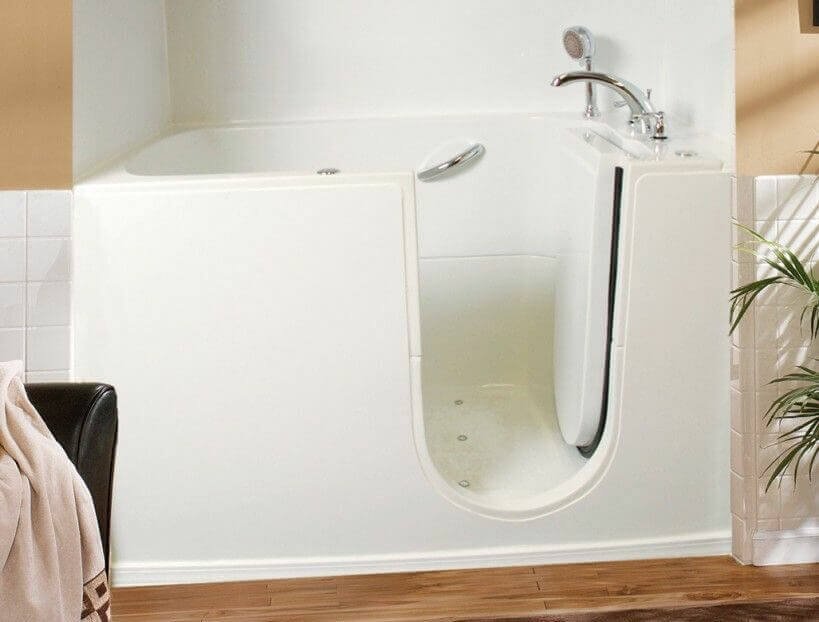
Walk-in tubs have become a cornerstone of accessible bathroom design, especially for seniors and individuals with mobility challenges. Their unique features, such as low thresholds and built-in seating, offer a safer bathing experience. However, the integration of walk-in tub safety sensor functions—particularly automatic shut-off systems—has elevated the standard for both safety and convenience. Understanding how these sensors work, and why they matter, is essential for anyone considering a walk-in tub for their home.
This article explores the key roles of safety sensors in walk-in tubs, focusing on how automatic shut-off mechanisms help prevent accidents, water damage, and unnecessary energy use. We’ll also compare sensor types, discuss installation and maintenance, and answer common questions about these important features.
When planning a bathroom upgrade, it’s important to consider not only the tub itself but also related safety features. For those interested in broader safety measures, you may want to learn more about walk-in shower grab bar weight ratings to ensure proper support throughout your bathroom.
How Safety Sensors Enhance Walk-In Tub Security
Modern walk-in tubs are equipped with a variety of sensors designed to monitor water levels, temperature, and door status. These safety sensor functions are engineered to reduce the risk of slips, burns, and flooding. By automatically detecting unsafe conditions, the system can intervene before a problem escalates.
- Water Level Sensors: Prevent the tub from overfilling by shutting off the water supply when a preset level is reached.
- Temperature Sensors: Monitor water temperature to avoid scalding, often triggering a shut-off or alert if the water gets too hot.
- Door Sensors: Ensure the tub cannot be filled or drained while the door is open, reducing the risk of leaks and slips.
These features are especially valuable for users who may have cognitive or physical limitations, providing peace of mind for both bathers and caregivers.
Automatic Shut-Off Mechanisms Explained
One of the most critical walk-in tub safety sensor functions is the automatic shut-off. This feature is designed to stop water flow or power to certain components if unsafe conditions are detected. Here’s how these mechanisms typically work:
- Overflow Protection: If water rises above a safe level, the sensor signals the valve to close, stopping the flow instantly.
- Heater Shut-Off: Should the water temperature exceed a safe threshold, the heating element is automatically disabled.
- Pump and Jet Controls: If the door is open or the water level is too low, the system prevents the jets from activating, avoiding splashes and electrical hazards.
These automatic responses are not only convenient but also crucial for preventing accidents and minimizing water or property damage.
Types of Sensors Used in Accessible Bathtubs
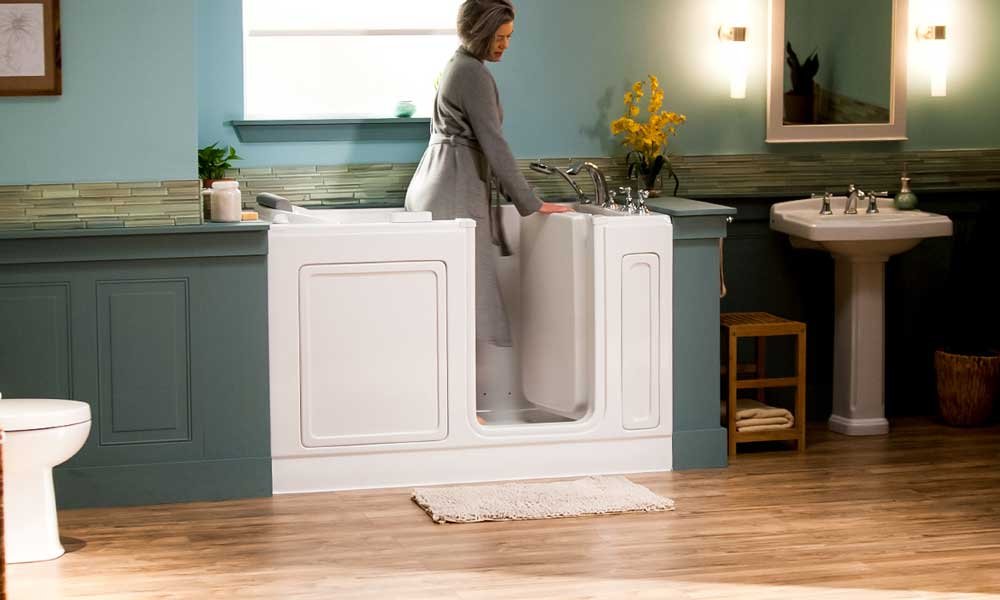
There are several types of sensors commonly found in walk-in tubs, each serving a specific safety purpose. Understanding the differences can help you choose a model that best fits your needs.
| Sensor Type | Primary Function | Automatic Shut-Off? |
|---|---|---|
| Float Sensor | Detects water level to prevent overfilling | Yes |
| Thermostatic Sensor | Monitors water temperature for scald protection | Yes |
| Magnetic Door Sensor | Ensures door is closed before operation | Yes |
| Pressure Sensor | Detects user presence or water pressure | Sometimes |
Some advanced models may combine multiple sensors for layered protection, ensuring that no single point of failure can compromise safety.
Benefits of Automatic Shut-Offs in Walk-In Tubs
The inclusion of automatic shut-off systems offers several practical advantages:
- Prevents Water Damage: By stopping overflows, these sensors protect your bathroom and home from costly repairs.
- Reduces Risk of Injury: Automatic temperature and door sensors help prevent burns and slips.
- Energy Efficiency: By turning off heaters or jets when not needed, these systems help conserve energy.
- Peace of Mind: Both users and caregivers can feel more confident knowing the tub is equipped with intelligent safeguards.
For those comparing different tub features, it’s also helpful to look at walk-in tub frame construction types to understand how the tub’s build quality complements its safety systems.
Installation and Maintenance Tips for Sensor-Equipped Tubs
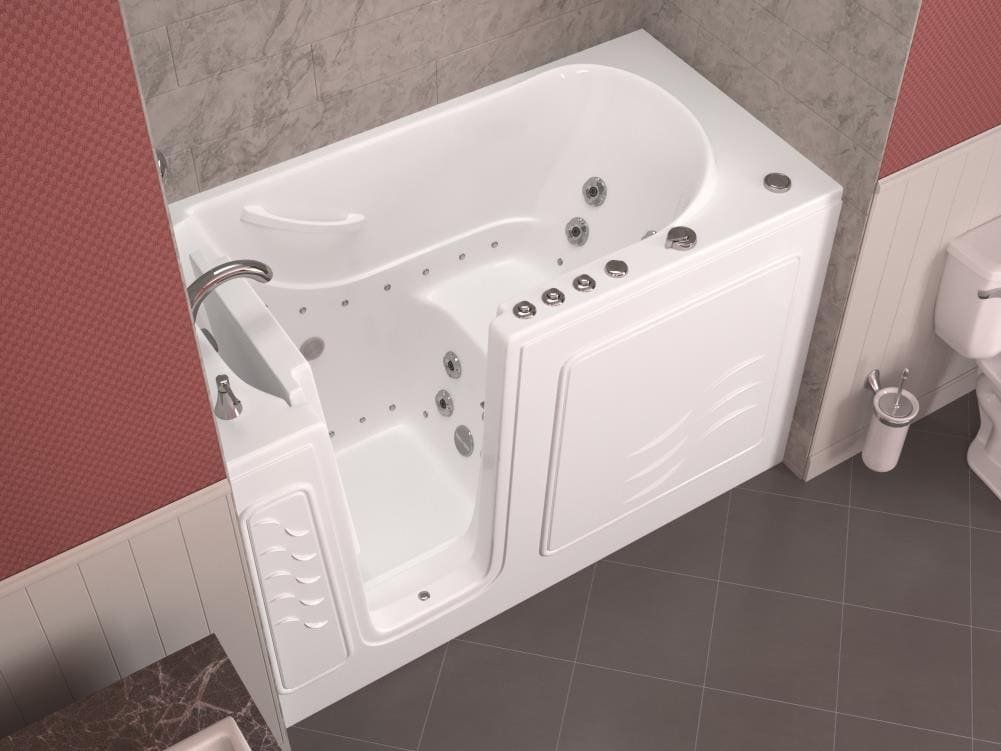
Proper installation is essential for ensuring that all walk-in tub safety sensor functions operate as intended. Here are some best practices:
- Always use a licensed plumber or installer familiar with accessible tubs and their electronic components.
- Test all sensors after installation to confirm they trigger automatic shut-offs appropriately.
- Schedule regular maintenance checks to clean sensors and verify their accuracy.
- Consult the manufacturer’s manual for troubleshooting and recommended service intervals.
Routine maintenance not only extends the life of your tub but also ensures ongoing protection for users.
Comparing Safety Features Across Tub Brands
Not all walk-in tubs offer the same level of sensor integration. When shopping, compare brands and models based on the type and number of safety sensors included. Some tubs may offer only basic overflow protection, while others feature comprehensive systems with multiple automatic shut-offs and alerts.
For a broader perspective on accessible bathroom upgrades, you can review the benefits of bathroom upgrades, walk-in tubs, and showers to see how these features fit into a holistic approach to home safety.
Additionally, understanding the differences between walk-in tub jet types can help you balance therapeutic benefits with safety considerations.
Frequently Asked Questions
What happens if a safety sensor fails in a walk-in tub?
If a sensor malfunctions, most modern tubs have backup systems or manual overrides. However, it’s important to address sensor issues promptly by contacting a professional, as a failed sensor could compromise safety.
Can I retrofit my existing walk-in tub with automatic shut-off sensors?
Retrofitting is possible in some cases, but it depends on the tub’s design and compatibility with aftermarket sensors. Consult your tub manufacturer or a specialist to determine if upgrades are feasible.
How often should I test my walk-in tub’s safety sensors?
It’s recommended to test all safety features monthly and after any maintenance work. Regular checks ensure that sensors remain responsive and effective.
Conclusion
The integration of walk-in tub safety sensor functions—especially automatic shut-off mechanisms—has transformed the bathing experience for those seeking both independence and security. By understanding how these sensors work, what to look for in a tub, and how to maintain them, you can make informed decisions that prioritize safety and comfort. Whether you’re upgrading your own bathroom or assisting a loved one, investing in advanced safety features is a smart and responsible choice.