
Choosing between a walk-in shower with a curb and a curbless walk-in shower is a key decision for anyone remodeling a bathroom or planning a new build. Both options offer unique benefits and drawbacks, impacting accessibility, maintenance, aesthetics, and long-term value. This guide provides a thorough walk-in shower curb vs curbless comparison to help you make an informed choice for your home.
Whether you’re seeking a modern, open look or need to prioritize safety and accessibility, understanding the differences between these two shower types is essential. We’ll break down the pros and cons, cost considerations, installation factors, and maintenance requirements. If you’re also interested in optimizing your shower for support and safety, you may want to review walk-in shower grab bar weight ratings for additional guidance.
Understanding the Differences: Curb vs. Curbless Showers
Before diving into the advantages and disadvantages, it’s important to clarify what sets these two shower designs apart:
- Walk-in showers with a curb feature a raised edge, typically 2–6 inches high, that separates the shower area from the rest of the bathroom. This barrier helps contain water and defines the shower space.
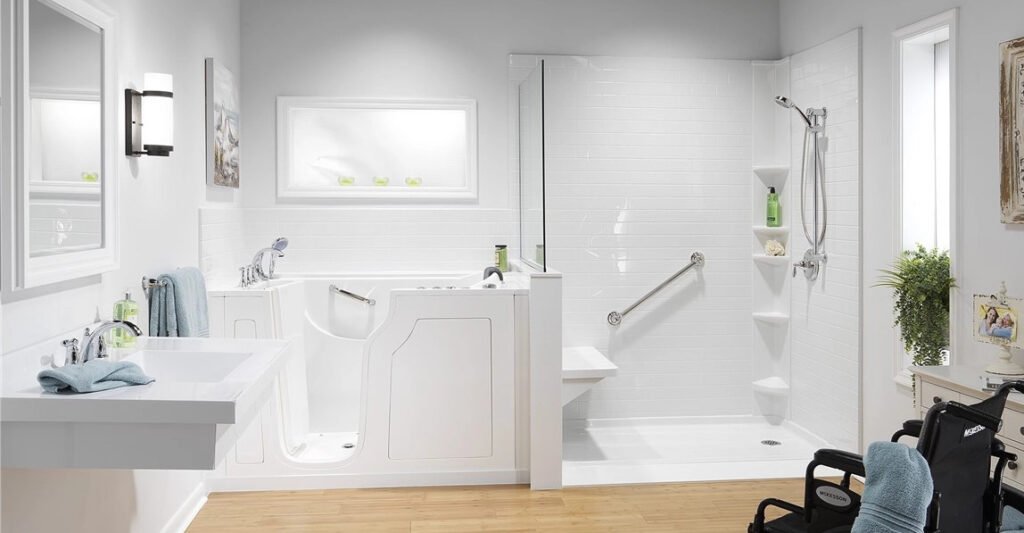
- Curbless walk-in showers have a seamless, level entry with no raised threshold. The shower floor is flush with the bathroom floor, creating a continuous surface.
Key Benefits of Showers with a Curb
For many homeowners, a walk-in shower with a curb remains a popular choice. Here’s why:
- Effective Water Containment: The curb acts as a barrier, reducing the risk of water escaping onto the bathroom floor. This makes it easier to maintain a dry, safe environment outside the shower.
- Flexible Design Options: Curbed showers are compatible with a wide range of doors, enclosures, and curtain setups, offering more choices for customization.
- Cost-Effective Installation: Generally, installing a shower with a curb is less complex and less expensive than a curbless design, especially in remodels where the existing floor structure is not easily altered.
- Traditional Aesthetic: Many homeowners prefer the defined look of a curbed shower, which can complement both classic and modern bathroom styles.
Advantages of Curbless Walk-In Showers
Curbless showers are gaining popularity for their sleek appearance and accessibility. Here are some of their standout benefits:
- Barrier-Free Accessibility: With no threshold to step over, curbless showers are ideal for people with mobility challenges, wheelchair users, or those planning to age in place. This design supports universal access and independent living.
- Modern, Open Look: The seamless transition between the bathroom and shower area creates a spacious, contemporary feel. This can make even small bathrooms appear larger and more inviting.
- Easy Cleaning: Fewer edges and corners mean less buildup of grime and easier maintenance. The continuous floor is simple to mop and keep clean.
- Flexible Layouts: Without a curb, it’s easier to design custom shower shapes and sizes, allowing for creative layouts and open-concept bathrooms.
Drawbacks to Consider for Each Shower Type
While both options have strong points, there are also some potential downsides to weigh:
Potential Issues with Curbed Showers
- Accessibility Limitations: The raised edge can be a tripping hazard, especially for older adults or anyone with limited mobility. This may not be the best choice for aging in place.
- Cleaning the Curb: The area around the curb can collect soap scum and dirt, requiring extra attention during cleaning.
Challenges with Curbless Designs
- Water Management: Without a curb, proper drainage and floor slope are critical to prevent water from spreading throughout the bathroom. This can require precise installation and sometimes additional waterproofing measures. For more details on drainage, see walk-in shower drainage slope requirements.
- Higher Installation Costs: Achieving a level, curbless entry often means modifying the subfloor, which can increase labor and material expenses, particularly in remodels.
- Limited Door Options: Some curbless showers may not accommodate traditional doors or enclosures, potentially leading to more open designs that require careful planning to avoid water splashes.
Cost and Installation Considerations
Budget and construction requirements are important factors in the walk-in shower curb vs curbless comparison:
- Curbed Showers: Typically less expensive to install, especially in existing bathrooms. The process is straightforward and often requires fewer structural changes.
- Curbless Showers: Installation can be more complex, particularly if the bathroom floor needs to be lowered or re-sloped for proper drainage. These additional steps can increase both time and cost.
When planning a remodel, consult with a qualified contractor to assess your bathroom’s current layout and determine which option is most feasible. If you have a narrow bathroom, you may also find value in this guide on how to choose a walk-in shower for a narrow space.
Accessibility and Safety: Which Is Better?
For homeowners focused on aging in place or accommodating mobility needs, a curbless shower is often the preferred choice. The seamless entry eliminates tripping hazards and makes it easier to use mobility aids. According to the benefits of walk-in showers for elderly individuals, curbless designs can significantly improve safety and independence in the bathroom.
However, a curbed shower can still be made safer with the addition of grab bars, non-slip flooring, and a low-profile threshold. For more on safety features, see walk-in tub frame construction types and walk-in tub faucet reach and placement for additional accessibility tips.
Maintenance and Cleaning
Maintenance is another aspect where these two shower types differ:
- Curbed Showers: The curb can be a spot where soap scum and mildew accumulate, requiring regular cleaning. However, the contained water area can make it easier to keep the rest of the bathroom dry.
- Curbless Showers: With fewer edges and a continuous floor, cleaning is often simpler. However, ensuring proper drainage is key to preventing standing water and related issues.
Which Shower Style Is Right for You?
Your decision will depend on your household’s needs, budget, and design preferences. If accessibility and a modern look are top priorities, a curbless shower may be worth the investment. If you’re seeking a cost-effective, traditional option with reliable water containment, a shower with a curb could be the better fit.
For those planning for long-term use or future-proofing their home, consider how your needs may change over time. Consulting with a professional can help you weigh the practicalities and costs of each approach.
FAQ
Are curbless showers more expensive to install than curbed showers?
Yes, curbless showers often require additional work to modify the floor and ensure proper drainage, which can increase installation costs compared to traditional curbed showers.
Is a curbless shower better for accessibility?
Absolutely. The lack of a threshold makes curbless showers much easier to access for people with mobility challenges, wheelchair users, or anyone who wants to reduce tripping hazards.
How do I prevent water from escaping a curbless shower?
Proper floor slope, high-quality drainage, and strategic placement of shower screens or partial glass panels are essential to keep water contained within the shower area.
Can I convert my existing curbed shower to a curbless design?
In many cases, yes, but it may involve significant remodeling work, including lowering the shower floor and updating plumbing. Consult with a contractor to assess feasibility and costs.
Which shower type is easier to clean?
Curbless showers are generally easier to clean due to their seamless design and lack of corners or edges where grime can accumulate.