
Modern bathroom design offers a range of accessible and stylish solutions, but two of the most popular choices—walk-in showers and wet rooms—are often confused. Understanding the difference between walk-in showers and wet rooms is essential for anyone planning a renovation or looking to improve bathroom safety, accessibility, or aesthetics. This article provides a detailed comparison, covering construction, usability, maintenance, and design considerations to help you make an informed decision for your home.
Both options offer unique benefits, but their installation requirements, waterproofing needs, and user experiences differ significantly. Whether you prioritize easy access, a seamless look, or minimal maintenance, knowing these distinctions will guide your selection process.
For those considering additional safety features, it’s helpful to review resources like walk-in shower grab bar weight ratings to ensure proper support and peace of mind.
What Sets Walk-In Showers Apart?
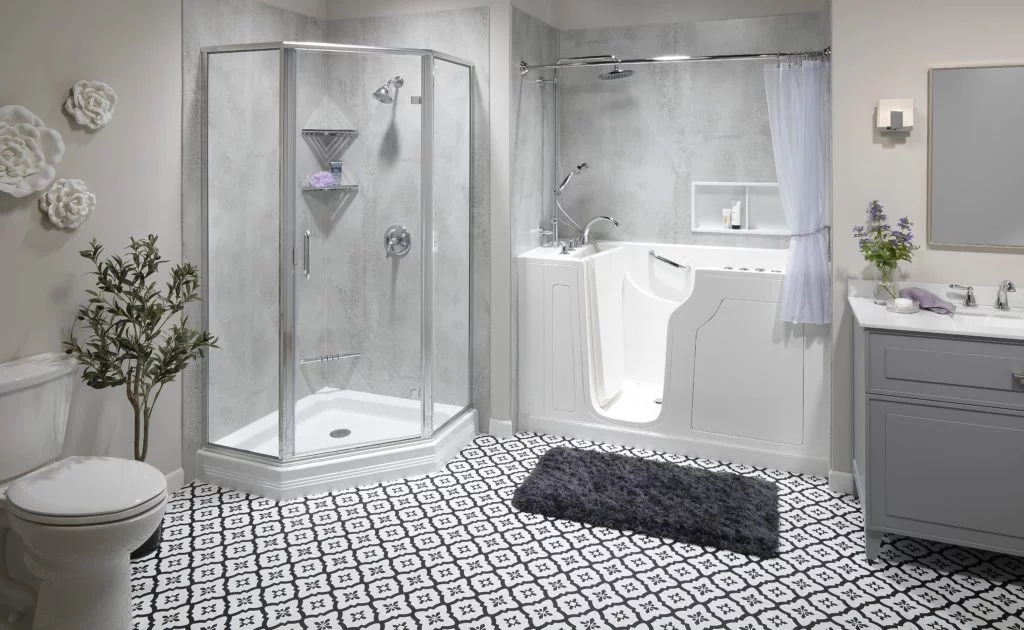
Walk-in showers are a popular choice for modern bathrooms, offering a blend of accessibility and style. These showers typically feature a low or no-threshold entry, making them easy to access for people of all ages and mobility levels. A key characteristic is the presence of a shower enclosure—usually glass panels or doors—that separates the shower area from the rest of the bathroom. This design helps contain water and maintain a dry floor outside the shower zone.
Some walk-in showers are fully enclosed, while others use partial glass screens. The shower tray or base is often slightly raised or flush with the floor, depending on the installation. This approach allows for a range of design options, from compact corner units to expansive, spa-like spaces.
For those interested in comparing different base designs, the walk-in shower curb vs curbless comparison offers insights into the pros and cons of each style.
Understanding Wet Rooms: Open-Plan Simplicity
Wet rooms take the concept of a walk-in shower further by transforming the entire bathroom—or a defined section—into a waterproofed, open-plan shower space. There is no separate shower tray or enclosure; instead, the floor is gently sloped toward a central drain, and the entire area is sealed to prevent leaks. This creates a seamless, minimalist look and maximizes accessibility, as there are no barriers to entry.
Wet rooms are especially popular in contemporary homes and for those seeking a luxurious, spa-like experience. They are also ideal for small spaces, as the absence of partitions can make the room feel larger and more open. However, the installation process is more complex, requiring comprehensive waterproofing (also known as tanking) to protect the underlying structure from moisture damage.
Key Differences: Construction, Waterproofing, and Layout
The difference between walk-in showers and wet rooms lies primarily in their construction and water management:
- Enclosure: Walk-in showers use glass panels or doors to contain water, while wet rooms are open or have minimal screening.
- Flooring: Walk-in showers usually have a dedicated tray or base, whereas wet rooms feature a continuous, sloped, fully waterproofed floor.
- Waterproofing: Wet rooms require the entire area—including walls and floors—to be sealed, while walk-in showers focus waterproofing on the shower zone.
- Drainage: Wet rooms rely on a central or linear drain integrated into the floor, while walk-in showers often use a tray with a built-in drain.
- Installation Complexity: Wet rooms generally demand more extensive preparation and professional expertise due to the need for complete waterproofing.
Accessibility and Safety Considerations
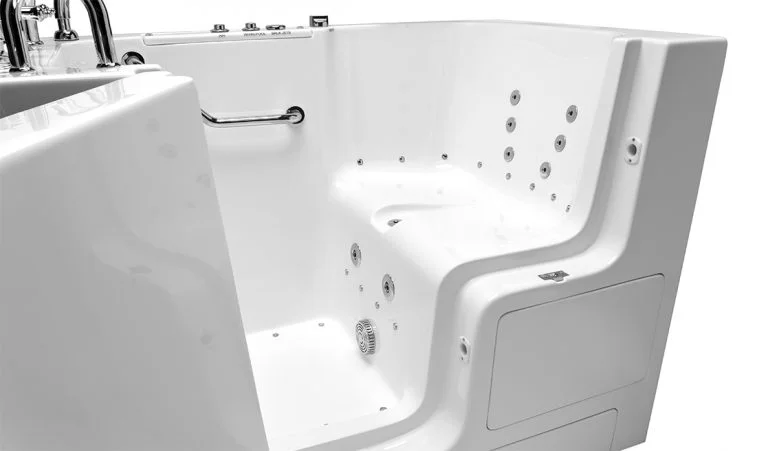
Both walk-in showers and wet rooms are designed with accessibility in mind, but there are important distinctions. Walk-in showers, especially those with low or no threshold, are easy to enter and exit. Many models can be fitted with grab bars, fold-down seats, and non-slip flooring for enhanced safety. Wet rooms, with their barrier-free design, offer the highest level of accessibility, making them suitable for wheelchair users or anyone with limited mobility.
For seniors or those with specific mobility needs, resources like the walk-in showers for seniors guide provide valuable tips on choosing the right features and ensuring a safe bathing environment.
Maintenance and Cleaning: What to Expect
Maintenance requirements differ between these two bathroom solutions. Walk-in showers, with their glass panels and defined shower area, can be easier to clean since water is contained. However, glass may require regular wiping to prevent water spots and soap scum buildup. Wet rooms, being open-plan, allow water to reach more surfaces, so the entire floor and lower walls may need frequent cleaning. The absence of enclosures means fewer crevices for mold to develop, but comprehensive waterproofing is critical to avoid long-term issues.
Choosing non-slip tiles and high-quality drainage systems can simplify maintenance and reduce the risk of slips or water pooling.
Cost and Installation: Budgeting for Your Bathroom Upgrade
Budget is a significant factor when deciding between these two options. Walk-in showers are generally less expensive to install, especially if you are replacing an existing tub or shower. The process is straightforward, often requiring only minor adjustments to plumbing and tiling. Wet rooms, on the other hand, involve more extensive work. The entire space must be waterproofed, the floor needs to be sloped, and specialized drainage systems are installed. This complexity increases both labor and material costs.
However, wet rooms can add value to your home, particularly in high-end or modern properties, due to their luxurious appearance and universal accessibility.
Design Flexibility and Aesthetic Appeal
Both walk-in showers and wet rooms offer a wide range of design possibilities. Walk-in showers can be customized with different glass styles, tile patterns, and shower fixtures. They work well in bathrooms of all sizes and can be tailored to fit awkward spaces. Wet rooms, with their open layout, create a sense of space and luxury. They are ideal for showcasing statement tiles or high-end fixtures and can be adapted to suit minimalist or bold design preferences.
When planning your bathroom, consider how each option will integrate with your existing layout and whether you want a defined shower area or a fully open, wet zone.
Pros and Cons: A Quick Comparison
| Feature | Walk-In Shower | Wet Room |
|---|---|---|
| Enclosure | Glass panels/doors | Open or minimal screen |
| Flooring | Tray or flush base | Fully waterproofed, sloped floor |
| Accessibility | Easy entry, some threshold | Completely barrier-free |
| Maintenance | Contained cleaning area | Whole room may need cleaning |
| Installation | Less complex, lower cost | More complex, higher cost |
| Design Flexibility | Wide range of options | Seamless, open-plan look |
Choosing the Right Option for Your Needs
Deciding between a walk-in shower and a wet room depends on your priorities, budget, and the existing structure of your bathroom. If you want a straightforward upgrade with minimal disruption, a walk-in shower may be the best fit. For those seeking maximum accessibility, a contemporary look, or a future-proof solution, a wet room could be worth the investment.
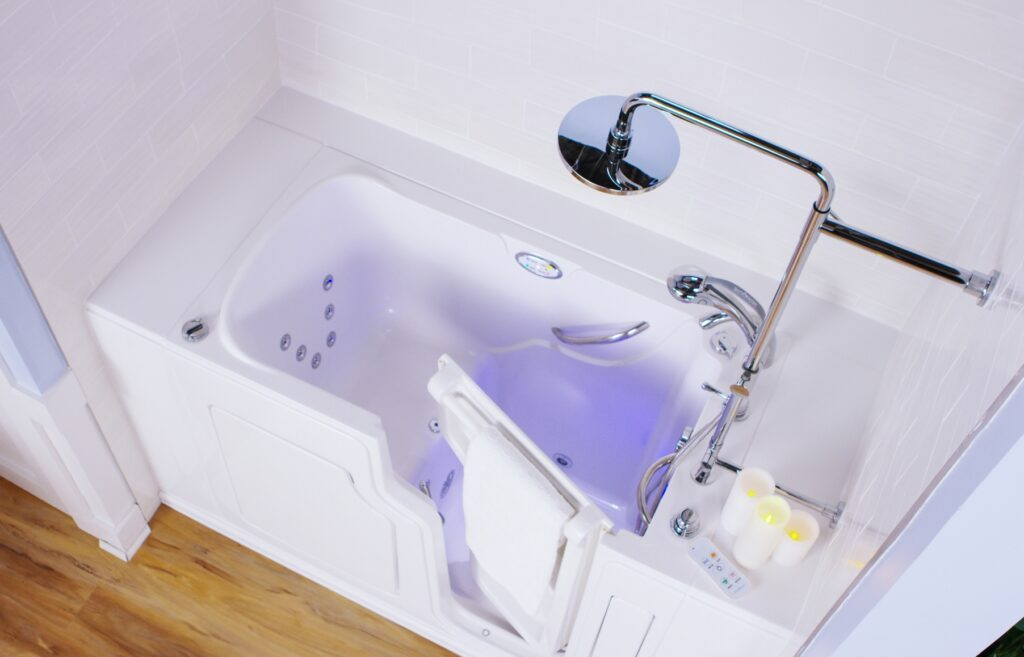
It’s also worth considering other features that can enhance your bathing experience, such as different walk-in tub jet types or the walk-in tub frame construction types that best suit your needs.
Frequently Asked Questions
Are wet rooms suitable for small bathrooms?
Yes, wet rooms can be an excellent solution for small spaces. The open-plan design creates a sense of spaciousness, and the absence of enclosures allows for flexible layouts. However, proper waterproofing and drainage are essential to prevent water from reaching unwanted areas.
Is maintenance more difficult in a wet room compared to a walk-in shower?
Wet rooms may require more frequent cleaning since water can reach a larger area of the floor and lower walls. However, the lack of enclosures or trays means fewer crevices for mold and grime to accumulate. Choosing easy-to-clean materials and non-slip tiles can help simplify upkeep.
Which option is better for accessibility needs?
Both walk-in showers and wet rooms are accessible, but wet rooms offer the highest level of accessibility due to their completely barrier-free design. This makes them ideal for wheelchair users or anyone with significant mobility challenges. Walk-in showers with low or no thresholds also provide excellent access and can be customized with safety features.