
Living with arthritis can make everyday activities, like bathing, challenging and uncomfortable. For many, a standard bathtub is not only inconvenient but also potentially unsafe. This is where walk-in tub features for arthritis relief come into play, offering a safer and more soothing bathing experience. These specialized tubs are designed to address the unique needs of individuals with joint pain, stiffness, and limited mobility, helping to restore independence and comfort in the bathroom.
Understanding which features matter most can make a significant difference in daily life. From easy-access doors to hydrotherapy jets, the right combination of elements can transform a simple bath into a therapeutic ritual. In this article, we’ll explore the most important options to consider, how they benefit those with arthritis, and what to look for when choosing a walk-in tub.
For those interested in maximizing the therapeutic benefits of their tub, learning about walk-in tub foot massage jet benefits can provide additional insights on improving circulation and comfort.
Why Arthritis Sufferers Benefit from Walk-In Bathtubs
Arthritis affects millions of people, leading to joint pain, swelling, and decreased mobility. Traditional bathtubs often require stepping over a high edge, which can be risky for anyone with limited flexibility or strength. Walk-in tubs address these concerns with design elements that prioritize safety and ease of use.
- Low-entry thresholds minimize the risk of tripping or falling.
- Seating options provide support and reduce the need to lower oneself to the floor.
- Therapeutic features can help ease joint pain and stiffness, making bathing both safer and more enjoyable.
Choosing a tub with the right features can make a noticeable difference in daily comfort and independence.
Essential Walk-In Tub Features for Joint Relief
When evaluating walk-in tub features for arthritis relief, it’s important to focus on elements that directly address pain, mobility, and safety. Here are the most impactful options:
1. Easy-Access Door and Low Step-In
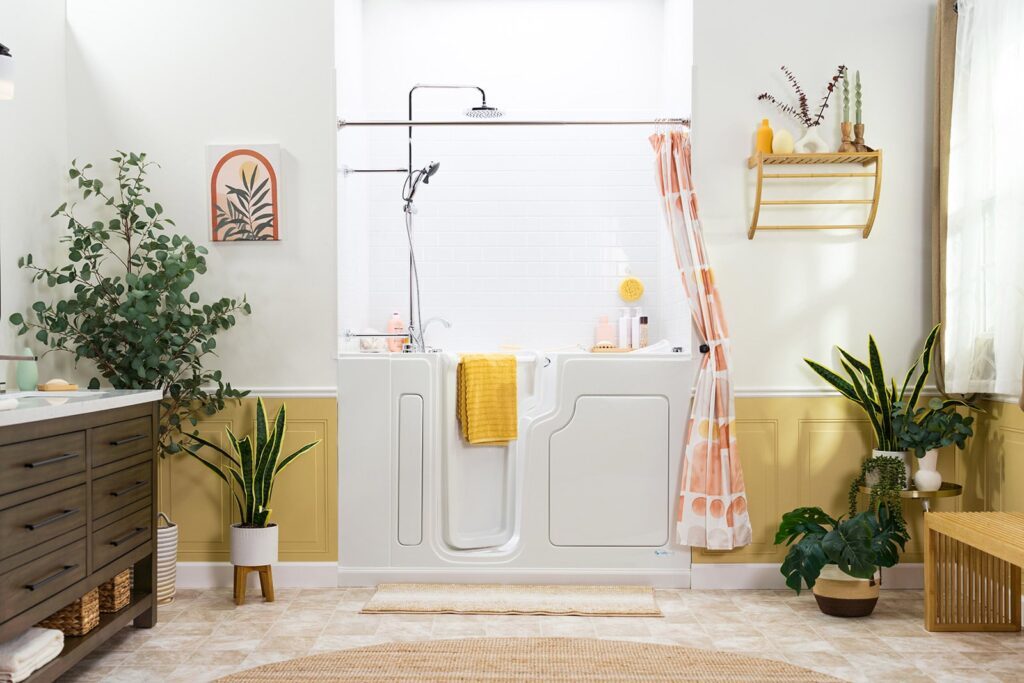
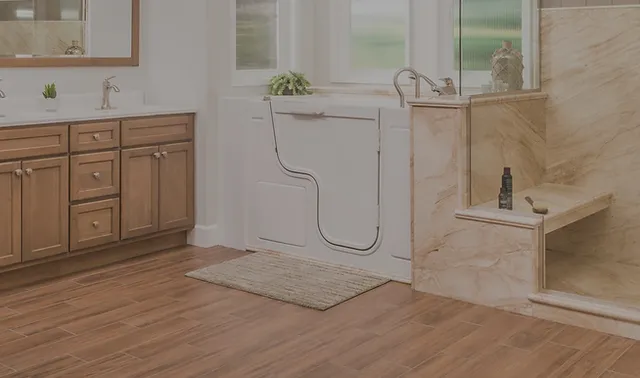
One of the core advantages of a walk-in tub is its easy-access door. This door swings open, allowing users to enter without lifting their legs over a high wall. Look for:
- Wide, watertight doors for effortless entry and exit
- Low step-in heights (typically 3–7 inches) to reduce strain on knees and hips
- Left- or right-hand configurations to suit bathroom layouts and user preference
2. Built-In Seating and Support Bars
For those with arthritis, standing for long periods or lowering into a standard tub can be painful. Walk-in tubs typically feature:
- Contoured, ADA-compliant seats that allow users to bathe in a comfortable, upright position
- Integrated grab bars for extra stability when sitting or standing
- Textured, non-slip surfaces to prevent slips and falls
These features reduce the physical effort required to bathe and help maintain balance, which is especially important for those with joint pain or weakness.
3. Hydrotherapy and Air Jets for Pain Relief
Hydrotherapy is a proven method for managing arthritis symptoms. Many walk-in tubs offer:
- Adjustable water jets that target sore muscles and joints with soothing massage
- Air bubble systems for gentle stimulation and increased circulation
- Temperature controls to maintain warm water, which helps relax stiff joints
These therapeutic features can help reduce inflammation, ease pain, and promote relaxation. For more on the benefits of foot massage jets, see the walk-in tub foot massage jet benefits article.
4. Simple, Arthritis-Friendly Controls
Small, stiff knobs can be difficult for those with limited hand strength or dexterity. Look for tubs with:
- Large, easy-to-turn handles for water and jet controls
- Push-button or touch controls for added convenience
- Clearly labeled settings to avoid confusion
These user-friendly controls make it easier to adjust settings without discomfort or frustration.

5. Fast Drain and Fill Systems
Waiting for a tub to fill or drain can be uncomfortable, especially for those with arthritis. Modern walk-in tubs often include:
- Quick-drain technology to empty the tub in minutes
- Rapid-fill faucets for faster water delivery
- Leak-proof seals to prevent water from escaping
These improvements reduce the time spent sitting and waiting, making the bathing process more efficient and comfortable.
Additional Safety and Comfort Features
Beyond the core elements, several other features can enhance the bathing experience for those with joint issues:
- Anti-scald valves to prevent sudden temperature changes
- Handheld shower wands for targeted rinsing without reaching or twisting
- Heated backrests and seats for extra warmth and relaxation
- Ozone or UV sanitation systems for easier cleaning and hygiene
For those interested in learning more about safety, the article on walk-in tub suction safety features provides valuable information on preventing entrapment and ensuring peace of mind.
Choosing the Right Walk-In Tub for Arthritis Needs
With so many options available, selecting the right model can feel overwhelming. Consider the following tips:
- Make a list of must-have features based on your specific symptoms and needs.
- Measure your bathroom to ensure the tub will fit comfortably.
- Test controls and seating in person, if possible, to assess comfort and usability.
- Read reviews and consult with healthcare professionals or occupational therapists for recommendations.
- Compare warranties and after-sales support for added confidence in your purchase.
For more reasons why these tubs are a smart investment, see this overview of walk-in tub benefits for seniors.
Frequently Asked Questions
Are walk-in tubs covered by insurance or Medicare?
Most insurance plans and Medicare do not cover walk-in tubs as they are considered luxury items. However, some Medicare Advantage plans or Medicaid waivers may offer partial coverage if the tub is deemed medically necessary. It’s best to check with your provider for specific eligibility and documentation requirements.
How do I maintain and clean a walk-in tub?
Regular cleaning is important to prevent buildup of soap scum and bacteria. Many tubs come with self-cleaning or ozone sanitation systems. For manual cleaning, use non-abrasive cleaners and microfiber towels. Learn more about the benefits of microfiber towels for walk-in showers for easy maintenance tips.
Can I install a walk-in tub in a small bathroom?
Yes, many manufacturers offer compact models designed for smaller spaces. Measure your bathroom carefully and consult with a professional installer to ensure a proper fit and safe installation.
Conclusion
Investing in a walk-in tub with the right features can make a significant difference for those living with arthritis. By prioritizing safety, comfort, and therapeutic benefits, these tubs help restore independence and improve daily quality of life. Whether you’re seeking relief from joint pain or simply want a safer bathing experience, understanding the available options is the first step toward a more comfortable future.