
Walk-in tubs offer enhanced safety and comfort for people with mobility challenges, but not every model delivers the same experience. Before making a purchase, it’s important to understand the common walk-in tub problems to avoid so you can make an informed decision and prevent future headaches. This article highlights the most frequent issues buyers encounter, how to spot them, and what you can do to ensure your investment is worthwhile.
From leaks and slow drains to complicated installations and hidden costs, there are several pitfalls that can turn a promising bathroom upgrade into a source of frustration. By learning about these challenges in advance, you can confidently select a tub that meets your needs and provides lasting value. For those interested in maximizing safety features, you might also want to explore walk-in tub suction safety features to prevent entrapment and enhance peace of mind.
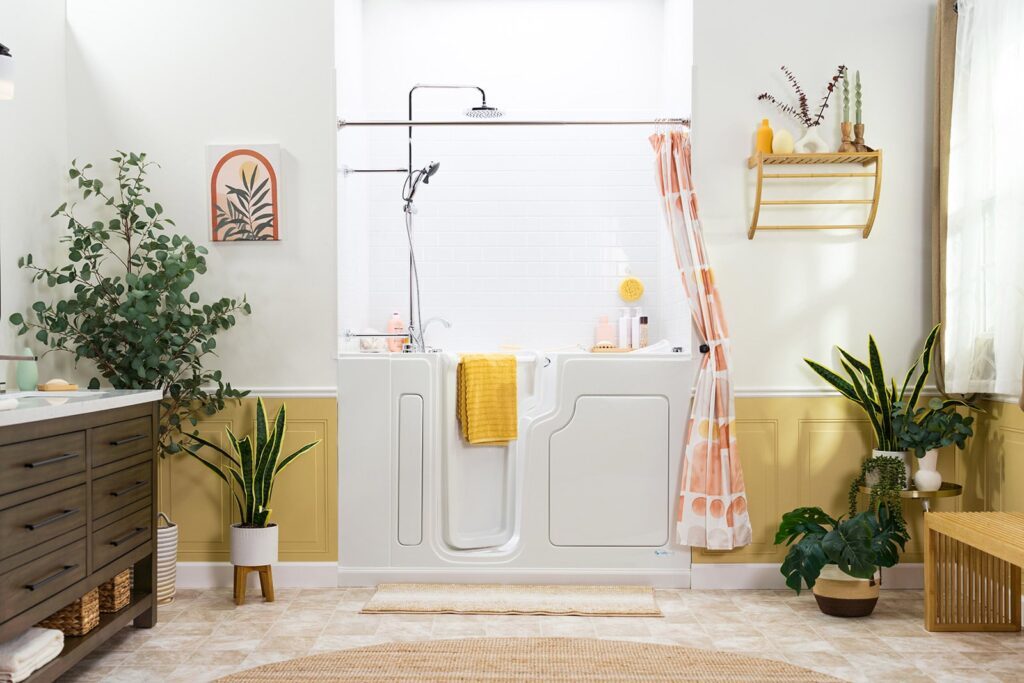
Recognizing Frequent Issues With Walk-In Tubs
Many homeowners are surprised by the number of common walk-in tub problems that can arise after installation. Understanding these issues beforehand helps you avoid costly repairs and disappointment. Here are some of the most reported concerns:
- Leaks and Water Damage: Poorly sealed doors or faulty gaskets can cause water to escape, leading to floor damage and mold growth.
- Slow Draining: Some tubs take a long time to empty, leaving users waiting in the tub and increasing the risk of chills or discomfort.
- Complex Installation: Walk-in tubs often require modifications to plumbing or electrical systems, which can be expensive and time-consuming if not anticipated.
- Accessibility Issues: Not all models have low thresholds or easy-to-use doors, making them less suitable for those with severe mobility limitations.
- Temperature Fluctuations: Inconsistent water temperature or slow filling can reduce comfort and safety, especially for seniors.
- Hidden Costs: Some manufacturers advertise low prices but exclude installation, delivery, or essential features, leading to unexpected expenses.
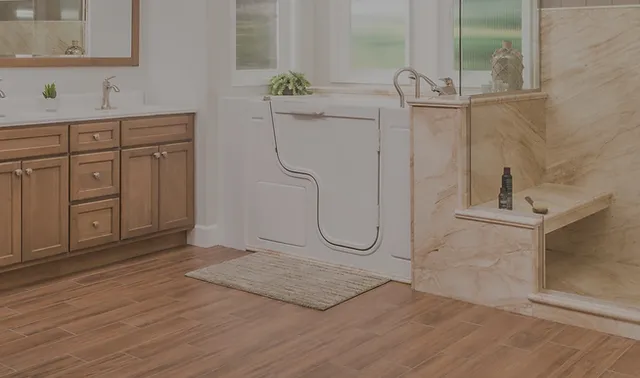
How to Avoid the Most Common Walk-In Tub Problems
To sidestep the most frequent challenges, it’s essential to do your homework before purchasing. Here are practical steps you can take:
- Research Reputable Brands: Look for companies with strong customer reviews and transparent warranties. Avoid brands with frequent complaints about leaks or poor customer service.
- Insist on Professional Installation: A certified installer will ensure the tub is properly sealed, leveled, and connected to your home’s plumbing and electrical systems.
- Ask About Drain and Fill Times: Confirm how long it takes to fill and drain the tub. Some models offer quick-drain technology, which can make a significant difference in user comfort.
- Clarify All Costs Upfront: Request a detailed quote that includes installation, delivery, and any necessary modifications. This helps you avoid surprise charges.
- Test Accessibility Features: If possible, visit a showroom to try the door, seat, and controls. Ensure they are easy to operate and suitable for your needs.
- Check for Safety Features: Features like anti-slip floors, grab bars, and emergency drains can enhance safety and usability.
For additional peace of mind, consider reading about how to check walk-in tub electrical grounding to ensure your new tub meets all safety standards.

Hidden Costs and Warranty Concerns
One of the most overlooked common walk-in tub problems is the presence of hidden fees and unclear warranty terms. Many buyers are attracted by low advertised prices, only to discover that installation, delivery, and essential features are not included. Always request a comprehensive quote and ask for written warranty details. A robust warranty should cover both parts and labor for a reasonable period.
Some warranties only cover the shell, leaving you responsible for repairs to doors, seals, or jets. Review the fine print and clarify what is covered before signing any agreement. For more insights on maximizing your tub’s benefits, you might find the walk-in tub foot massage jet benefits helpful, especially if you’re interested in hydrotherapy features.
Maintenance and Cleaning Challenges
Proper maintenance is crucial to keep your walk-in tub functioning smoothly. Some tubs have complex jet systems or porous surfaces that can harbor mold and bacteria if not cleaned regularly. Choose models with easy-to-clean, non-porous surfaces and accessible jets. Using microfiber towels can simplify maintenance—learn more about the benefits of microfiber towels for walk-in showers and apply similar principles to your tub care routine.
Regularly inspect seals, drains, and jets for signs of wear. Promptly address any leaks or malfunctions to prevent minor issues from becoming major repairs.
Safety and Comfort Considerations
Safety is a top priority for anyone considering a walk-in tub. Look for features such as anti-slip flooring, easy-to-reach controls, and built-in grab bars. Some tubs include advanced safety features like anti-scald valves and emergency drains. If you’re concerned about entrapment or suction-related hazards, review walk-in tub suction safety features for additional guidance.
Comfort features, such as heated seats, adjustable jets, and ergonomic seating, can greatly enhance the bathing experience. However, these extras may require additional maintenance and can increase the overall cost. Balance your desire for comfort with your budget and willingness to perform regular upkeep.
Expert Tips for a Successful Walk-In Tub Purchase
- Visit Showrooms: Whenever possible, see and test tubs in person to assess comfort, accessibility, and build quality.
- Read Customer Reviews: Look for feedback on long-term durability, ease of use, and customer support.
- Consult Professionals: Speak with licensed plumbers or contractors to understand installation requirements and potential challenges in your home.
- Prioritize Safety: Make sure the tub meets all local building codes and includes essential safety features.
- Plan for the Future: Consider your long-term mobility needs and select a model that will remain accessible as your requirements change.
For more information on why these tubs are a popular choice for older adults, check out 5 reasons why a walk-in tub is a must-have for seniors.
Frequently Asked Questions
What are the most common walk-in tub issues homeowners face?
The most frequent concerns include leaks from poorly sealed doors, slow draining, complicated installation requirements, and hidden costs not disclosed upfront. Maintenance challenges and unclear warranty terms are also common.
How can I ensure my walk-in tub won’t leak?
Choose a reputable brand with a proven track record, insist on professional installation, and regularly inspect seals and gaskets. Reading customer reviews and checking for robust warranties can also help prevent leaks.
Are walk-in tubs difficult to maintain?
Maintenance varies by model. Tubs with non-porous surfaces and accessible jets are easier to clean. Regularly wiping down surfaces and inspecting for mold or buildup will keep your tub in good condition. Using microfiber towels can simplify the cleaning process.