
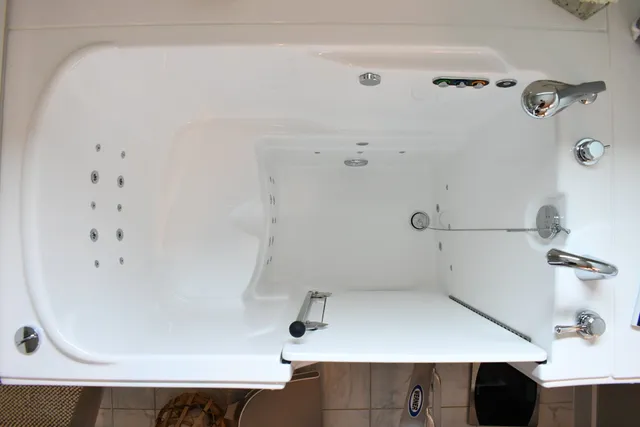
Choosing the right walk-in tub door hinge types is essential for anyone seeking a safe, accessible, and long-lasting bathing solution. The hinge mechanism not only affects how easily the door opens and closes but also plays a crucial role in preventing leaks and ensuring the tub’s overall reliability. Whether you’re a homeowner, a caregiver, or a professional installer, understanding the differences between hinge designs will help you make an informed decision that supports both safety and comfort.
In this article, we’ll explore the most common hinge types found in walk-in tubs, compare their durability and performance, and offer practical tips for selecting the best option for your needs. We’ll also address common concerns such as leak prevention, maintenance, and compatibility with other safety features. For those interested in related safety upgrades, you may also want to review walk-in shower grab bar weight ratings to ensure comprehensive support in your bathroom.
Understanding Hinge Mechanisms in Accessible Tubs
The hinge is a critical component in any walk-in tub, directly impacting ease of use and water-tightness. There are several walk-in tub door hinge types available, each with its own advantages and considerations. The main categories include:
- Piano hinges (continuous hinges)
- Butt hinges
- Offset hinges
- Lift-off hinges
Let’s examine each type in detail to understand how they influence the tub’s durability and daily performance.
Piano Hinges: Continuous Support and Leak Prevention
Piano hinges run the entire length of the door, providing even support and minimizing stress points. This design is favored for its strength and ability to create a tight seal, which is vital for preventing water leaks. The continuous nature of the hinge distributes the weight of the door evenly, reducing wear over time and enhancing the overall longevity of the tub.
Because of their robust construction, piano hinges are commonly found in higher-end walk-in tubs. They are especially suitable for users who prioritize long-term reliability and minimal maintenance. However, installation requires precise alignment to ensure smooth operation and a proper seal.
Butt Hinges: Traditional and Reliable
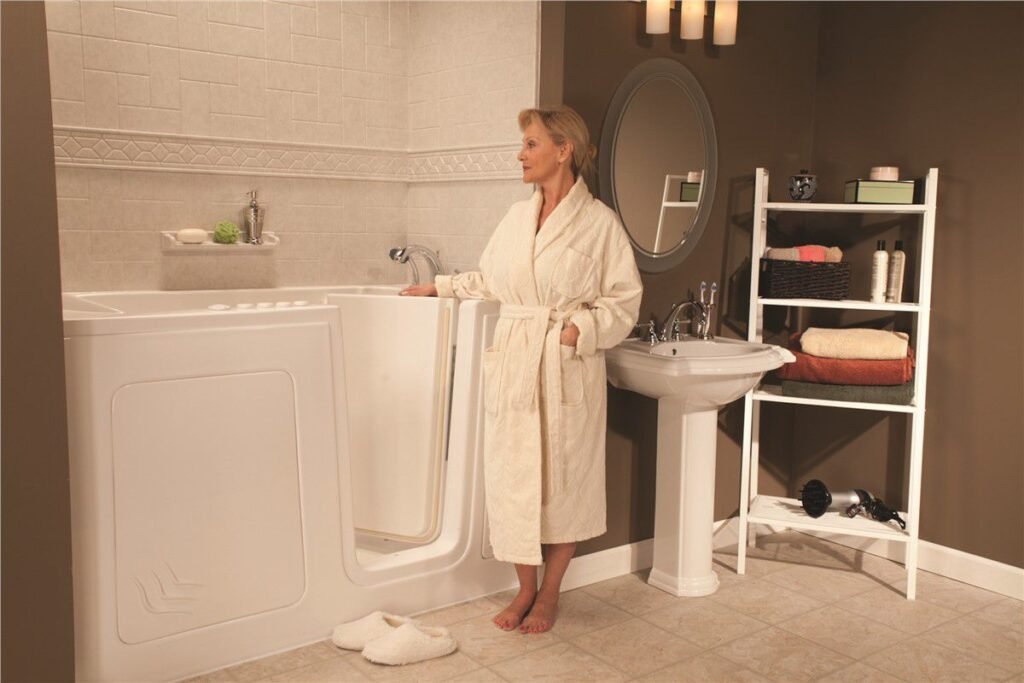
Butt hinges are similar to those used on standard doors, consisting of two plates joined by a pin. They are a popular choice for their simplicity and cost-effectiveness. While not as robust as piano hinges, high-quality butt hinges made from stainless steel or brass can still provide excellent durability and resistance to corrosion.
One consideration with butt hinges is the potential for uneven stress distribution, especially on larger or heavier doors. Over time, this can lead to sagging or misalignment if not properly maintained. Regular inspection and lubrication are recommended to keep these hinges functioning smoothly.
Offset Hinges: Maximizing Accessibility
Offset hinges are designed to swing the door clear of the tub opening, providing a wider entry space. This feature is particularly beneficial for users with mobility aids such as wheelchairs or walkers. Offset hinges can be found in both inward- and outward-swinging door designs, making them versatile for different bathroom layouts.
While offset hinges improve accessibility, they must be engineered to handle the additional leverage created by the offset motion. Look for models with reinforced mounting points and high-quality materials to ensure lasting performance.
Lift-Off Hinges: Easy Removal for Cleaning and Maintenance
Lift-off hinges allow the door to be removed entirely without tools, which can simplify cleaning and maintenance. This type is less common but can be a practical solution in settings where frequent access to the tub’s interior is required. However, lift-off hinges must be precisely fitted to maintain a watertight seal when the door is in place.
Because of their removable nature, these hinges are best suited for environments where multiple users may need to access the tub or where deep cleaning is a priority.
Comparing Durability and Performance Factors
When evaluating walk-in tub door hinge types, consider the following key factors:
- Material Quality: Stainless steel and brass are preferred for their resistance to rust and corrosion.
- Seal Integrity: The hinge design should support a tight, reliable seal to prevent leaks.
- Ease of Operation: Hinges should allow smooth, effortless door movement, especially for users with limited strength.
- Maintenance Requirements: Some hinges require periodic lubrication or adjustment, while others are virtually maintenance-free.
- Compatibility with Door Swing: Inward- and outward-swinging doors may require different hinge solutions for optimal safety and convenience.
For more on how hinge choice interacts with other tub components, see this guide on walk-in tub frame construction types.
Installation and Maintenance Tips
Proper installation is crucial for maximizing the lifespan and performance of any hinge type. Here are some practical tips:
- Always follow the manufacturer’s installation instructions to ensure correct alignment and sealing.
- Use corrosion-resistant fasteners, especially in humid bathroom environments.
- Periodically check for signs of wear, rust, or misalignment, and address any issues promptly.
- Lubricate moving parts as recommended to prevent squeaking and ensure smooth operation.
- If you notice water leakage, inspect the hinges and seals for damage or improper fit. For troubleshooting, refer to a leaking walk-in tub door troubleshooting guide.
Integrating Hinges with Other Accessibility Features
The choice of hinge should be considered alongside other accessibility and safety features in the bathroom. For example, pairing a wide-opening offset hinge with sturdy grab bars and non-slip flooring can create a safer and more comfortable bathing environment. For additional guidance on bathroom safety, explore walk-in shower solutions for older adults that complement accessible tub installations.
Frequently Asked Questions
What is the most durable hinge type for walk-in tubs?
Piano hinges are generally considered the most durable due to their continuous support and even weight distribution. Made from stainless steel, they offer excellent resistance to corrosion and wear, making them ideal for long-term use.
How do I prevent leaks around the tub door hinges?
Choose hinges that support a tight seal, such as piano or high-quality butt hinges. Regularly inspect the seal and hinges for signs of wear, and perform maintenance as needed. If leaks occur, check for misalignment or damaged gaskets and address them promptly.
Are certain hinge types better for users with limited mobility?
Offset hinges are designed to provide a wider entryway, making them a good choice for users who need extra space to enter and exit the tub. Lift-off hinges can also be helpful for caregivers who need to remove the door for easier access during cleaning or assistance.
Can I upgrade the hinges on my existing walk-in tub?
In some cases, it is possible to upgrade hinges, but compatibility with your tub’s door and frame is essential. Consult your manufacturer or a professional installer to determine which hinge types are suitable for retrofitting.
Conclusion
Selecting the right hinge design is a key step in ensuring the safety, comfort, and longevity of your accessible tub. By understanding the strengths and limitations of each option, you can make a choice that fits your unique needs and bathroom layout. Don’t forget to consider how hinges interact with other features, such as grab bars and ventilation. For more information on related topics, see our resources on bathroom humidity and ventilation and ventilation requirements for walk-in showers. With the right knowledge, you’ll be well-equipped to create a safer and more accessible bathing space.