
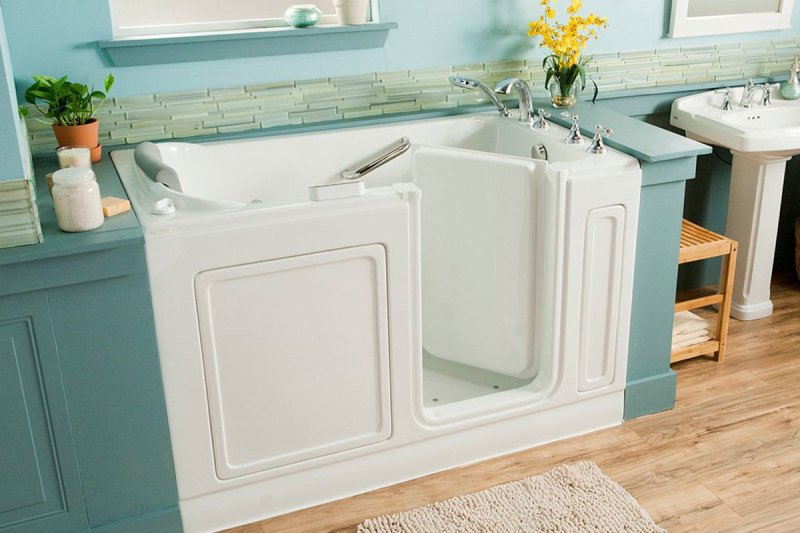
Choosing the right material for a walk-in shower is a crucial decision for homeowners seeking durability, comfort, and style. Two of the most popular options on the market are fiberglass and acrylic. Each material comes with unique benefits and considerations, making it important to understand how they compare in terms of quality, maintenance, cost, and long-term value. This article provides a detailed look at the differences between fiberglass and acrylic walk-in showers, helping you make an informed choice for your bathroom upgrade.
For those interested in maximizing safety and accessibility, it’s also important to consider features like walk-in shower grab bar weight ratings to ensure proper support in your new shower environment.
Material Overview: Fiberglass vs. Acrylic Walk-In Showers
When comparing fiberglass and acrylic walk-in showers, it’s essential to understand what sets these materials apart. Both are engineered for water resistance and ease of installation, but their construction and performance differ in several ways.
- Fiberglass is made from woven glass fibers coated with a polyester resin. It is then finished with a gel coat for a smooth, glossy surface.
- Acrylic is a type of plastic that is heated and molded into shape. It is reinforced with fiberglass for added strength, resulting in a thicker, more resilient shell.
Both options are popular for their affordability and versatility, but the differences in their manufacturing processes lead to distinct characteristics in terms of durability, appearance, and maintenance.
Durability and Longevity: Which Material Lasts Longer?
One of the most important factors in selecting a walk-in shower is how well the material holds up over time. Let’s look at the durability of each option:
Fiberglass Shower Strengths and Weaknesses
Fiberglass showers are lightweight and relatively easy to install. However, the gel coat finish can be prone to scratching, fading, and cracking over time, especially with heavy use or exposure to harsh cleaning chemicals. While repairs are possible, they may be noticeable and can affect the overall appearance.
Acrylic Shower Advantages
Acrylic walk-in showers are known for their robust construction. The material is thicker and more impact-resistant, making it less likely to crack or chip. The color is integrated throughout the acrylic sheet, so minor scratches are less visible. Acrylic also resists fading and maintains its glossy finish longer than fiberglass, making it a preferred choice for those seeking long-term value.
Maintenance and Cleaning: Ease of Upkeep
Keeping your walk-in shower clean and looking new is a top priority for most homeowners. Here’s how the two materials compare:
- Fiberglass is somewhat porous, which means it can absorb stains and is more susceptible to mold and mildew. Regular cleaning with non-abrasive products is necessary to prevent buildup and discoloration.
- Acrylic has a non-porous surface that resists staining and is easier to wipe clean. It is less likely to harbor mold or mildew, making it a low-maintenance choice for busy households.
For both materials, it’s best to avoid abrasive cleaners and harsh chemicals, as these can dull the finish or cause damage over time. Simple soap and water or a mild bathroom cleaner are usually sufficient.
Appearance and Design Flexibility
Style is another important consideration when selecting a walk-in shower. Both fiberglass and acrylic offer a range of design choices, but there are some differences:
- Fiberglass units are typically available in standard sizes and shapes. While color options are somewhat limited, they can be a cost-effective solution for basic bathroom layouts.
- Acrylic showers offer greater flexibility in terms of color, texture, and customization. They can be molded into various shapes and sizes, allowing for more creative and tailored designs to fit unique spaces.
If you have a specific vision for your bathroom or need a custom fit, acrylic may provide more options to achieve your desired look.
Cost Considerations: Upfront and Long-Term Value
Budget plays a significant role in any bathroom renovation. Here’s what to expect when it comes to pricing:
- Fiberglass walk-in showers are generally less expensive upfront. They are a good option for those seeking a quick, affordable upgrade.
- Acrylic showers tend to cost more initially, but their greater durability and lower maintenance requirements can offer better value over time.
It’s also important to factor in installation costs and the potential need for repairs or replacement down the road. While fiberglass may save money at first, acrylic’s longevity can make it a more cost-effective investment in the long run.
Safety and Accessibility Features
Both fiberglass and acrylic walk-in showers can be equipped with safety features such as grab bars, slip-resistant floors, and low thresholds. When prioritizing safety, consider pairing your shower with walk-in shower slip-resistant coatings for additional peace of mind.
For those with mobility concerns, either material can be adapted to include built-in seating or extra support. Acrylic’s flexibility in design may offer more options for custom safety enhancements.
Environmental Impact and Sustainability
Eco-conscious homeowners may want to consider the environmental impact of their shower material. Both fiberglass and acrylic are manufactured using petrochemicals, but there are some differences:
- Fiberglass production is energy-intensive and can release volatile organic compounds (VOCs) during manufacturing. Recycling options are limited.
- Acrylic is also derived from petroleum, but some manufacturers offer recycled acrylic options. Its longer lifespan can also reduce waste over time.
Choosing a high-quality, long-lasting product—regardless of material—can help minimize your environmental footprint by reducing the need for frequent replacements.
Expert Opinions and Additional Resources
Industry professionals often recommend acrylic for homeowners seeking a balance of durability, style, and low maintenance. However, fiberglass remains a solid choice for those on a tight budget or with straightforward installation needs.
For a broader perspective on accessible bathing solutions and the benefits of bathroom upgrades, consider reading this comprehensive guide to walk-in tubs and showers from Brookville Home Care.
Frequently Asked Questions
Which material is easier to repair if damaged?
Minor scratches and chips in acrylic can often be buffed out or filled with repair kits, making them less noticeable. Fiberglass can also be repaired, but patches may be more visible, and the surface may not match perfectly after the fix.
Are there differences in installation time between fiberglass and acrylic walk-in showers?
Both materials allow for relatively quick installation compared to tile or stone. Fiberglass units are lighter and may be easier to maneuver, while acrylic’s thicker construction might require more careful handling but typically doesn’t add significant time to the process.
How do I choose between fiberglass and acrylic for a custom shower design?
If customization is a priority, acrylic is generally the better choice. It can be molded into a wider variety of shapes and sizes, and offers more options for colors and textures, making it easier to achieve a unique look tailored to your space.
Conclusion: Making the Right Choice for Your Bathroom
Both fiberglass and acrylic walk-in showers offer practical solutions for modern bathrooms, each with its own set of advantages. Fiberglass is budget-friendly and lightweight, while acrylic stands out for its durability, design flexibility, and ease of maintenance. By weighing factors such as longevity, appearance, upkeep, and cost, you can select the material that best fits your needs and preferences. For those seeking additional comfort and safety, pairing your shower with features like grab bars and slip-resistant coatings can further enhance your bathing experience.