
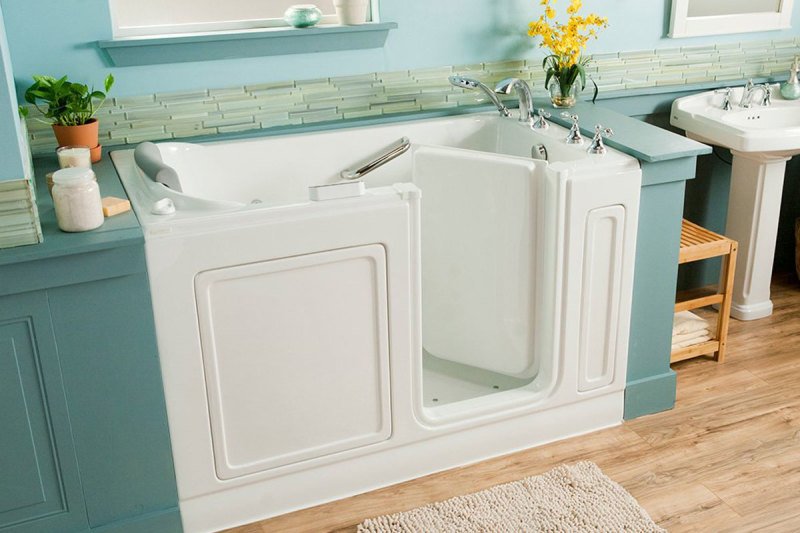
Walk-in tubs provide comfort and safety for many households, but a leaking door can quickly turn a relaxing soak into a source of stress. Addressing leaks promptly is essential to prevent water damage, maintain accessibility, and ensure the longevity of your tub. This guide offers a step-by-step approach to identifying and resolving common causes of leaks in walk-in tub doors, with practical tips for both DIY fixes and knowing when to call a professional.
Before diving into troubleshooting, it’s helpful to understand the construction and sealing mechanisms of these tubs. If you’re interested in the materials used in their frames, you can learn more about walk-in tub frame construction types and how they impact durability and maintenance.
Common Causes of Water Seepage Around Walk-In Tub Doors
Understanding why your walk-in tub door is leaking is the first step toward a solution. Several issues can lead to water escaping from the door area:
- Worn or damaged door seals: The rubber or silicone gasket that lines the door frame can degrade over time, losing its ability to form a watertight barrier.
- Improper door alignment: If the door is not closing evenly or the latch is loose, gaps may form, allowing water to seep through.
- Debris or residue on the seal: Soap scum, hair, or mineral deposits can prevent the seal from making full contact with the door frame.
- Cracks in the tub or door frame: Structural damage, even small cracks, can compromise the tub’s ability to contain water.
- Incorrect installation: If the tub was not leveled or installed according to manufacturer guidelines, leaks may develop over time.
Identifying the root cause will help you select the most effective repair method and prevent further issues.
Step-by-Step Guide: Diagnosing and Repairing a Leaky Tub Door
Follow these steps to pinpoint the source of the leak and apply the right fix. Always ensure your tub is empty and dry before beginning any inspection or repair.
1. Inspect the Door Seal for Wear and Tear
Carefully examine the gasket around the door. Look for cracks, flattening, or areas where the seal has pulled away from the frame. Run your fingers along the seal to feel for inconsistencies. If you notice significant wear, replacing the gasket is often the most effective solution.
2. Clean the Seal and Door Frame Thoroughly
Sometimes, a simple cleaning can resolve minor leaks. Use a mild bathroom cleaner and a soft cloth to remove any buildup from the seal and the door frame. Pay special attention to corners and edges where debris can accumulate. Rinse and dry the area completely before testing the door again.
3. Check Door Alignment and Latch Mechanism
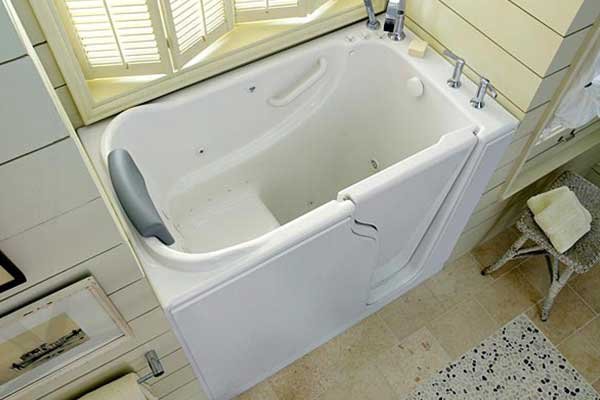
Open and close the door several times, observing whether it sits flush against the frame. If the latch feels loose or the door wobbles, tightening the hardware may help. Consult your tub’s manual for instructions on adjusting the latch or hinges. In some cases, misalignment can be caused by the tub settling or improper installation, which may require professional adjustment.
4. Examine for Cracks or Damage
Inspect the door, frame, and surrounding tub area for visible cracks or chips. Even small imperfections can allow water to escape. For minor cracks, a waterproof epoxy or sealant designed for bathtubs can provide a temporary fix. However, larger structural issues should be addressed by a qualified technician.
5. Test for Leaks After Each Repair
After making any adjustments or repairs, fill the tub with a small amount of water and observe the door area closely. Look for any signs of moisture or drips. Repeat the process if necessary, addressing each potential cause until the leak is resolved.
Replacing the Door Gasket: What You Need to Know
If cleaning and realignment do not stop the leak, replacing the door gasket is often the best solution. Here’s how to approach this repair:
- Purchase a replacement gasket that matches your tub’s make and model.
- Remove the old gasket carefully, using a flat tool if necessary to pry it loose.
- Clean the groove thoroughly to remove any adhesive or residue.
- Press the new gasket into place, ensuring a snug and even fit all the way around.
- Allow any adhesive to cure fully before using the tub again.
Refer to your manufacturer’s instructions for specific guidance, as installation methods can vary between brands.
Preventing Future Leaks and Maintaining Your Walk-In Tub
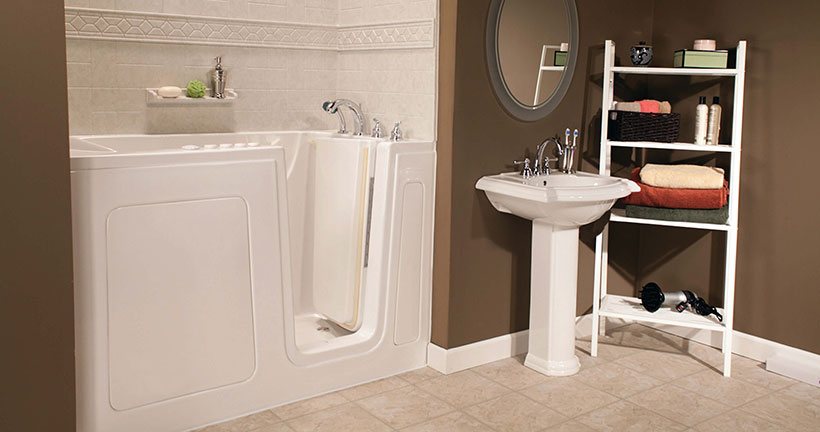
Regular maintenance is key to preventing leaks and extending the life of your walk-in tub. Here are some tips to keep your tub in top condition:
- Clean the door seal regularly to prevent buildup of soap, hair, and minerals.
- Inspect the gasket and hardware every few months for signs of wear or loosening.
- Avoid slamming the door, which can damage the seal or misalign the latch.
- Address minor leaks promptly to prevent water from seeping into the floor or walls.
- Consider the impact of walk-in tubs on bathroom humidity and ensure your space is well-ventilated to reduce moisture buildup.
Routine care not only prevents leaks but also helps maintain a safe and comfortable bathing environment.
When to Call a Professional for Walk-In Tub Door Leaks
While many minor leaks can be fixed with cleaning or gasket replacement, some situations require expert attention:
- Persistent leaks despite multiple repairs
- Visible cracks or structural damage to the tub or door
- Issues related to improper installation or leveling
- Uncertainty about the correct replacement parts or repair methods
If your tub is still under warranty, check the terms before attempting repairs. For more information, see our guide on understanding walk-in tub warranty terms to ensure you don’t void your coverage.
Additional Resources and Upgrades
Upgrading your bathroom with a walk-in tub can improve safety and accessibility. For a broader look at the benefits of these and other bathroom upgrades, see this detailed overview of walk-in tubs and showers. If you’re considering replacing your current tub, make sure to select a model with high-quality seals and robust construction for long-term reliability.
Frequently Asked Questions
What is the most common reason for a walk-in tub door to leak?
The most frequent cause is a worn or damaged gasket around the door. Over time, the seal can lose its flexibility or develop cracks, allowing water to escape. Regular inspection and cleaning can help prevent this issue.
Can I use regular silicone sealant to fix a leaking tub door?
It’s best to use a gasket or sealant specifically designed for bathtubs and walk-in tub doors. Regular silicone may not provide the durability or flexibility required for repeated door use and exposure to water and cleaning products.
How often should I replace the door gasket on my walk-in tub?
Most manufacturers recommend inspecting the gasket every six months and replacing it every 2–3 years, or sooner if you notice signs of wear, flattening, or persistent leaks.
Is it safe to use a leaking walk-in tub?
Using a tub with a leaking door can lead to water damage, slippery floors, and potential mold growth. It’s important to address leaks promptly to maintain safety and prevent costly repairs.