
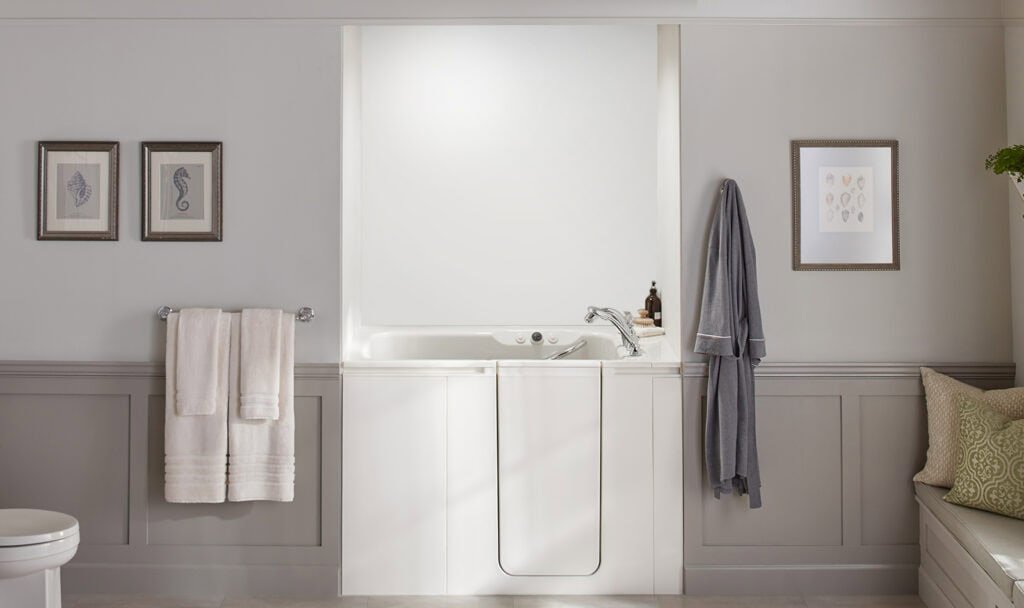
Choosing a walk-in tub is about more than just style or features—it’s about ensuring comfort, safety, and accessibility. One of the most overlooked but critical factors is the internal seat width. The right seat width can make all the difference for users with mobility challenges, larger body types, or anyone seeking a relaxing and secure bathing experience. This guide breaks down what you need to know about seat dimensions, how to measure for the best fit, and what to consider before making a purchase.
Whether you’re upgrading for aging in place, accessibility, or simply comfort, understanding the nuances of tub seating is essential. We’ll explore the typical range of seat widths, who benefits from different sizes, and how to match your needs to what’s available on the market. For those interested in additional wellness features, you might also want to learn about aromatherapy options for walk-in bathtubs to further enhance your bathing experience.
Why Seat Width Matters in Accessible Bathtubs
The internal seat width is a key measurement for anyone considering a walk-in tub. It determines how comfortably you can sit and move, directly impacting safety and ease of use. For individuals with limited mobility, the right seat width can make transfers simpler and reduce the risk of slips or falls. A seat that’s too narrow can feel restrictive, while one that’s too wide may not provide enough support.
Additionally, the seat width affects how much space remains for leg movement and overall comfort. For those who use mobility aids or need assistance while bathing, ensuring the seat accommodates both the user and any necessary support is crucial.
Standard Dimensions: What to Expect
Most walk-in tubs feature seat widths ranging from 17 to 23 inches. The most common size is around 19 inches, which suits many adults comfortably. However, manufacturers offer a variety of sizes to cater to different needs:
- Compact models: Seat widths of 15–17 inches, ideal for smaller bathrooms or petite users.
- Standard models: Typically 18–20 inches, fitting most average-sized adults.
- Wide-seat models: 21–23 inches or more, designed for larger users or those who prefer extra room.
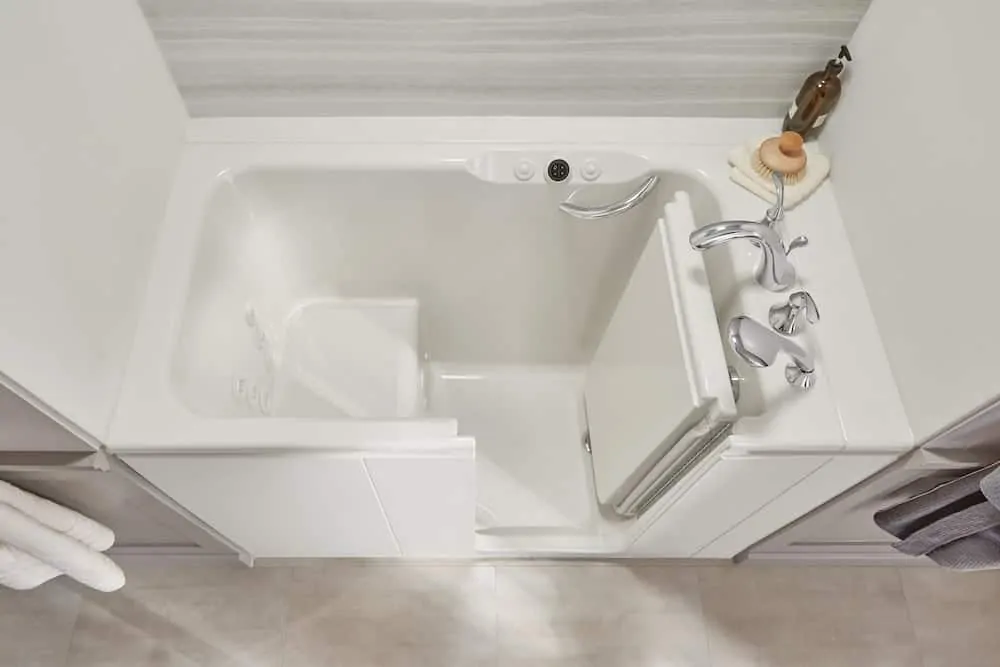
It’s important to note that the internal seat width is measured from the inside edge of one armrest to the other, not the overall tub width. Always check the product specifications or ask the manufacturer for precise measurements.
How to Measure for the Perfect Fit
Before purchasing, it’s essential to measure both your bathroom space and your own comfort requirements. Here’s a simple process to ensure you select the right seat width:
- Measure your hip width: Sit on a flat, hard surface and measure the distance across your hips at their widest point. Add at least 2 inches for comfort and ease of movement.
- Check bathroom dimensions: Make sure the tub you choose fits your available space, accounting for door swings and clearance.
- Review manufacturer specs: Always confirm the internal seat width—not just the overall tub size—before buying.
- Consider future needs: If your mobility needs may change, opt for a slightly wider seat to accommodate potential changes in body size or the use of assistive devices.
For additional safety, review resources like the safety grab bar placement guide to ensure your tub setup is as secure as possible.
Choosing the Right Seat Width for Your Needs
Selecting the ideal seat width depends on several personal factors:
- Body size and shape: Larger individuals or those who prefer more space should look for wide-seat models. Petite users may find standard widths more supportive.
- Mobility considerations: If you use a transfer bench, wheelchair, or need caregiver assistance, a wider seat can make transfers easier.
- Intended use: Some users prefer to recline or stretch out, while others prioritize upright support. The seat width can influence both comfort and posture.
It’s also helpful to test out different models in person if possible. Many showrooms allow you to sit in display tubs to gauge comfort and fit. If that’s not an option, carefully compare measurements and read user reviews for real-world feedback.
Comparing Seat Widths Across Popular Models
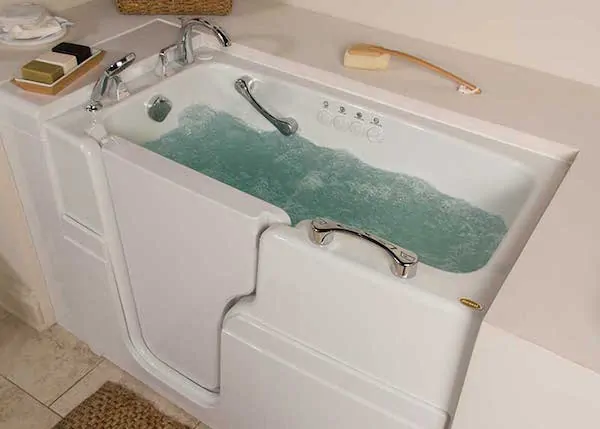
Not all walk-in tubs are created equal. Some brands specialize in compact designs for tight spaces, while others offer extra-wide seating for maximum comfort. Here’s a quick comparison of typical seat widths found in leading models:
| Model Type | Typical Seat Width | Best For |
|---|---|---|
| Compact | 15–17 inches | Small bathrooms, petite users |
| Standard | 18–20 inches | Average adults |
| Wide | 21–23+ inches | Larger users, those needing extra space |
When comparing, always look for the internal seat width in the product details. If you’re unsure, contact the manufacturer or retailer for clarification.
Other Factors to Consider Beyond Seat Width
While seat width is a major factor, it’s not the only consideration when choosing a walk-in tub. Additional features can greatly enhance your bathing experience:
- Seat height: Standard seat heights are typically 17–19 inches, making transfers easier for most adults.
- Depth and length: Deeper tubs allow for full-body soaking, while longer models offer more legroom.
- Therapeutic features: Options like air jets or water jets can provide hydrotherapy benefits. For a comparison, see the air jets vs water jets in walk-in tubs article.
- Safety features: Built-in grab bars, non-slip floors, and low thresholds are essential for fall prevention.
- Ease of cleaning: Some tubs are easier to maintain than others. For tips, check out how to sanitize a walk-in shower.
Considering all these elements alongside seat width ensures you select a tub that meets your needs now and in the future.
Expert Tips and Additional Resources
If you’re still unsure about which seat width is best, consult with an occupational therapist or mobility specialist. They can assess your needs and recommend the most suitable options. Additionally, many reputable brands provide detailed guides and customer support to help you make an informed decision.
For those interested in alternative bathing solutions, explore walk-in showers and their benefits as another accessible option.
Frequently Asked Questions
How do I know what seat width I need in a walk-in tub?
Measure your hip width while seated and add at least 2 inches for comfort. Consider your mobility needs and whether you require extra space for transferring or using assistive devices.
Are wider seats always better for walk-in tubs?
Not necessarily. While a wider seat can provide more comfort for larger users or those needing assistance, it may feel less supportive for petite individuals. The best choice is one that matches your body size and mobility requirements.
Can I customize the seat width in a walk-in tub?
Some manufacturers offer custom options or a range of sizes. It’s best to check with the brand or retailer about available configurations before purchasing.
What other features should I consider besides seat width?
Look at seat height, tub depth, safety features, and therapeutic options. These factors all contribute to overall comfort and usability.