
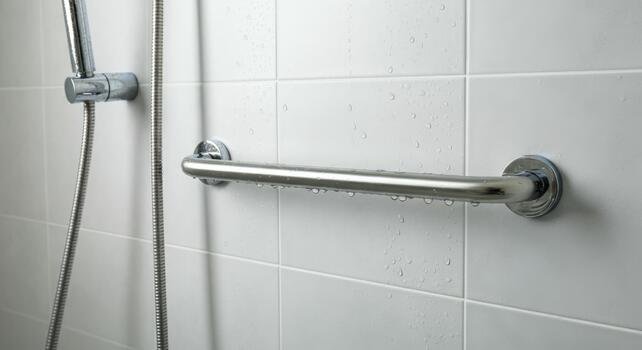
Creating a safe and accessible bathroom is essential for seniors who want to maintain independence and reduce the risk of slips or falls. A well-organized space not only promotes confidence but also helps streamline daily routines. This guide offers practical senior bathroom organization tips to help older adults move comfortably and safely, whether living alone or with family.
From strategic storage solutions to essential safety upgrades, organizing the bathroom with mobility in mind can make a significant difference. By focusing on accessibility, minimizing clutter, and using the right assistive devices, seniors can enjoy greater peace of mind and improved quality of life. For those interested in a broader approach to home safety, our resource on senior home safety essentials provides additional insights.
Why Bathroom Organization Matters for Seniors
Many accidents at home occur in the bathroom due to wet floors, tight spaces, and hard surfaces. For older adults, even a minor fall can have serious consequences. Organizing the bathroom with accessibility in mind reduces hazards and makes daily tasks less strenuous. Proper placement of toiletries, adaptive equipment, and safety features can help seniors maintain autonomy and dignity.
In addition to physical safety, an organized bathroom can support cognitive well-being. Clearly labeled storage, consistent routines, and clutter-free surfaces help minimize confusion and stress, especially for those with memory challenges.
Essential Bathroom Safety Features for Easy Mobility
Incorporating senior bathroom organization tips begins with prioritizing safety. The following features are highly recommended:
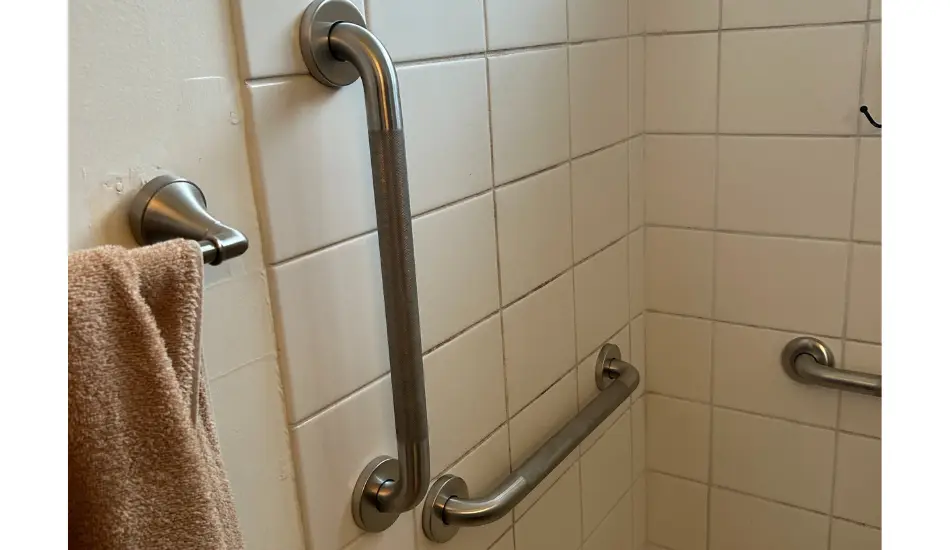
- Grab Bars: Install sturdy grab bars near the toilet, shower, and bathtub to provide stable support when standing or sitting. For more details on their importance, see this comprehensive overview of grab bars for seniors.
- Non-Slip Mats: Place non-slip mats inside and outside the tub or shower to reduce the risk of slipping.
- Raised Toilet Seats: A raised seat makes it easier to sit and stand, reducing strain on joints.
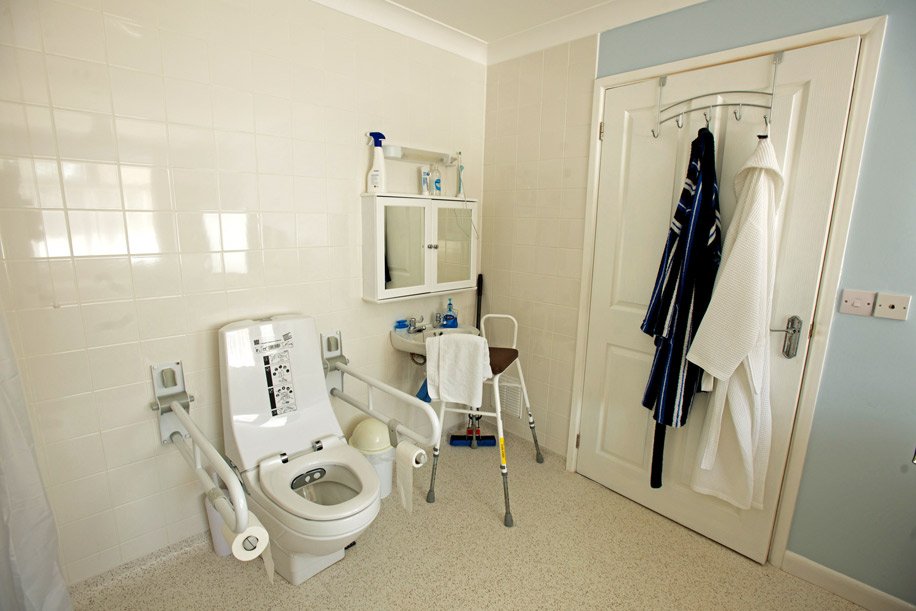
- Toilet Safety Rails: These rails offer extra support and stability when using the toilet.
- Shower Chairs or Benches: Sitting while showering can help prevent fatigue and falls.
- Handheld Showerheads: Adjustable showerheads make bathing easier for those with limited mobility.
Decluttering and Smart Storage Solutions
Reducing clutter is a core principle of senior bathroom organization tips. A tidy environment not only looks better but also improves safety and accessibility. Here are some effective strategies:
- Limit Countertop Items: Keep only daily essentials within reach. Store infrequently used products in cabinets or drawers.
- Use Clear Containers: Transparent bins or baskets make it easy to locate items quickly, reducing the need to search and reach.
- Install Open Shelving: Open shelves at accessible heights provide storage without the need to open heavy doors.
- Label Everything: Clearly label containers and shelves, especially for seniors with memory loss or vision challenges.
- Drawer Organizers: Use dividers to keep small items like razors, toothbrushes, and medications sorted and easy to find.
For those with limited space, consider reviewing our guide on how to maximize space in a walk-in shower for additional ideas tailored to compact bathrooms.
Lighting and Visibility Enhancements
Good lighting is essential for safety and ease of use. Seniors often experience changes in vision, making it even more important to ensure the bathroom is well-lit. Consider these upgrades:
- Bright, Even Lighting: Use LED bulbs and fixtures that provide consistent illumination without harsh shadows.
- Night Lights: Install motion-activated night lights to guide the way during nighttime visits.
- Contrasting Colors: Use contrasting colors for towels, mats, and fixtures to help visually distinguish different areas.
- Task Lighting: Add focused lighting near mirrors and sinks for grooming tasks.
For more on this topic, our article on walk-in shower lighting for low vision users offers detailed advice on optimizing bathroom lighting for seniors.
Adapting Layout for Accessibility
Rearranging the bathroom layout can make a significant difference in mobility and comfort. Here are some suggestions:
- Widen Pathways: Remove unnecessary furniture or storage units to create clear, unobstructed paths.
- Adjust Fixture Heights: Ensure sinks, shelves, and towel racks are at heights that are easy to reach from a standing or seated position.
- Install Support Rails: Adding support rails near the shower and toilet can help with balance and stability. For a comparison of different options, see our post on support rails vs other mobility aids.
- Accessible Faucets: Lever-style handles are easier to operate than traditional knobs, especially for those with arthritis.
Preventing Wet Floor Hazards
Slippery surfaces are a leading cause of bathroom injuries. To minimize risk:
- Use Absorbent Bath Mats: Place absorbent, non-slip mats outside the tub and shower.
- Wipe Up Spills Promptly: Encourage immediate cleanup of any water on the floor.
- Install a Shower Caddy: Keep soaps and shampoos off the floor to prevent tripping.
- Consider a Walk-In Shower: These showers reduce the need to step over high tub walls. For more solutions, see our recommendations for wet floor safety solutions.
Maintaining Organization and Routine
Once the bathroom is set up for safety and accessibility, maintaining organization is key. Encourage regular decluttering and cleaning to keep the space functional. Establishing a routine for checking supplies, restocking essentials, and ensuring safety equipment is secure will help seniors feel confident and supported in their daily activities.
Frequently Asked Questions
What are the most important safety features for a senior-friendly bathroom?
The most crucial features include grab bars, non-slip mats, raised toilet seats, toilet safety rails, and adequate lighting. These elements provide stability, reduce the risk of falls, and make daily routines easier for older adults.
How can I organize a small bathroom for a senior with mobility issues?
Focus on minimizing clutter, using open shelving, and storing only essential items within easy reach. Drawer organizers and clear containers help keep supplies accessible. Consider removing unnecessary furniture to widen pathways and improve movement.
Are there specific products recommended for bathroom safety?
Yes, products such as grab bars, toilet safety rails, shower chairs, and non-slip mats are highly recommended. Lever-style faucets and handheld showerheads also enhance accessibility. Always choose products that are sturdy and designed for senior use.
How often should I check and maintain bathroom safety equipment?
It’s best to inspect grab bars, mats, and other equipment monthly to ensure they are securely installed and in good condition. Replace worn or damaged items promptly to maintain a safe environment.