
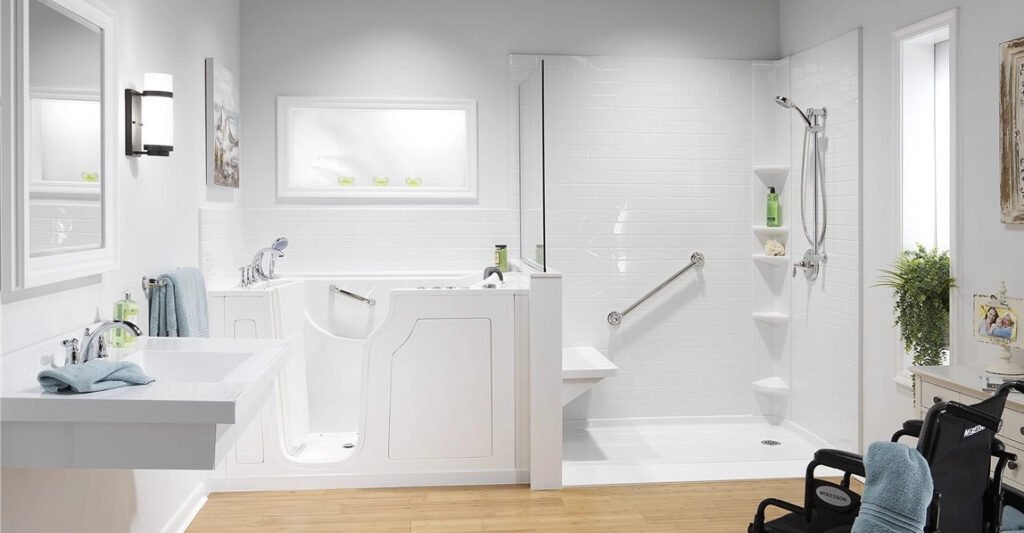
Preparing your walk-in tub for winter is essential to prevent damage from freezing temperatures and to ensure it remains safe and functional throughout the colder months. Proper seasonal maintenance protects plumbing, seals, and mechanical components, helping you avoid costly repairs and prolonging the lifespan of your investment. In this guide, you’ll find step-by-step instructions, practical tips, and important considerations for getting your accessible bathtub ready for winter weather.
Whether you use your tub year-round or plan to leave it unused for an extended period, understanding how to winterize a walk-in tub can save you time, money, and hassle. We’ll also highlight key safety measures and link to related resources, such as walk-in tub frame construction types, to help you make informed decisions about your bathroom’s accessibility features.
Why Seasonal Maintenance Matters for Walk-In Tubs
Accessible bathtubs are designed for comfort and safety, but like any plumbing fixture, they require regular care—especially in regions prone to freezing temperatures. Water left in pipes, jets, or pumps can freeze, expand, and cause cracks or leaks. Seasonal maintenance helps you:
- Prevent frozen pipes and costly repairs
- Maintain safe, sanitary bathing conditions
- Protect mechanical and electronic components from winter damage
- Ensure seals and gaskets remain flexible and watertight
Taking the time to winterize your tub is a proactive step that pays off in reliability and peace of mind.
Step-by-Step Instructions: Preparing Your Walk-In Tub for Winter
Follow these steps to ensure your accessible bathtub is protected during cold weather. Each step is important for preventing issues that can arise when water freezes inside plumbing or mechanical parts.
1. Turn Off Water Supply and Drain the Tub
Begin by shutting off the water supply to your walk-in tub. Open the drain and allow all water to exit the basin. If your tub has jets or a whirlpool system, run the pump briefly to help clear any remaining water from the lines.

2. Remove Water from Jets and Internal Plumbing
After draining the main tub, it’s important to clear water from internal plumbing, jets, and pumps. If your model has an air blower or whirlpool feature, activate it for a few seconds to force out trapped moisture. For extra protection, consider using a wet/dry vacuum on the jet openings to remove residual water.
Some homeowners add a small amount of non-toxic RV antifreeze to the jet system and drain lines for added freeze protection. Always consult your manufacturer’s instructions before using any chemicals.
3. Inspect and Protect Seals, Gaskets, and Doors
Check the door seal and any gaskets for signs of wear or cracking. Clean these areas with a mild soap solution and dry thoroughly. Applying a silicone-based lubricant can help keep seals flexible and prevent them from sticking or deteriorating over the winter months.
For more on the construction and durability of accessible tubs, see our guide to walk-in tub frame construction types.
4. Disconnect and Store Removable Components
If your tub has removable shower wands, headrests, or other accessories, detach and store them in a dry, indoor location. This prevents damage from freezing and makes spring setup easier.
5. Shut Off and Unplug Electrical Components
For tubs with electronic controls, heaters, or pumps, turn off the power at the breaker and unplug any accessible cords. This reduces the risk of electrical issues caused by condensation or unexpected power surges during winter storms.
6. Final Check and Cover the Tub
Once all steps are complete, do a final inspection to ensure no water remains in the tub or plumbing. If the bathroom is unheated or you expect extended periods of freezing weather, consider covering the tub with a breathable, waterproof cover to keep dust and debris out.
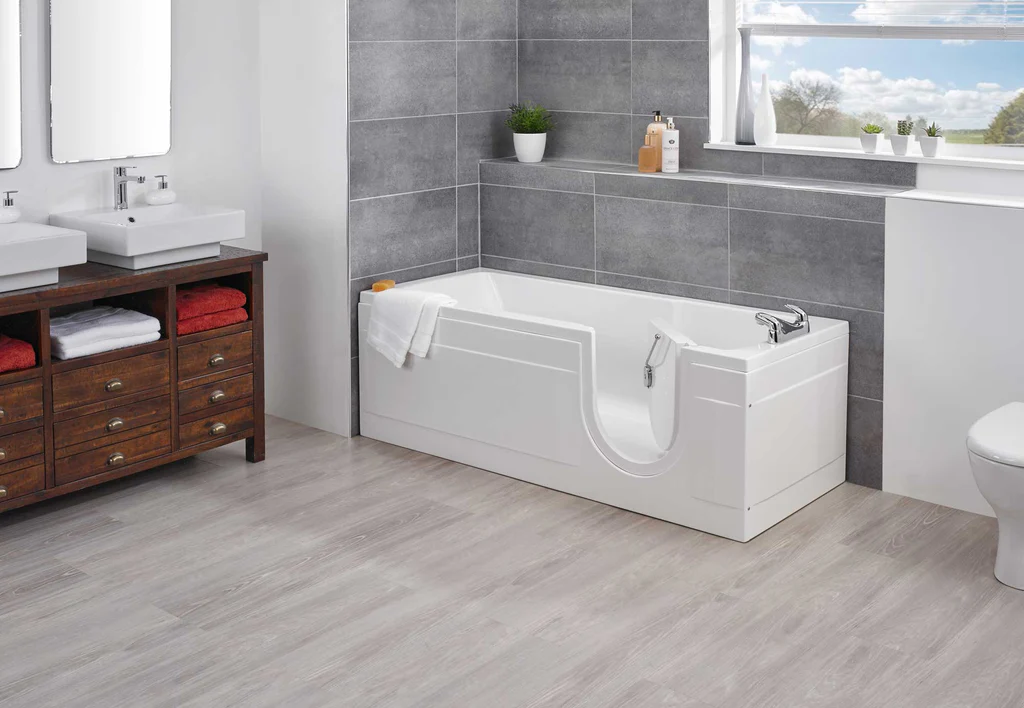
Additional Tips for Cold Weather Tub Care
- Check your tub’s manual for model-specific winterizing instructions.
- If your bathroom is heated and the tub is used regularly, you may not need to perform every step above. However, always drain and inspect the tub if you plan to leave it unused for weeks at a time.
- Consider installing pipe insulation on exposed plumbing to further reduce the risk of freezing.
- Regularly inspect the area around your tub for leaks or moisture buildup, especially after thawing periods.
For those interested in hygiene and maintenance, you may want to learn about the benefits of ozone sterilization in walk-in tubs for keeping your bathing environment clean year-round.
Common Mistakes to Avoid When Getting Your Tub Ready for Winter
While preparing your accessible bathtub for winter isn’t complicated, overlooking small details can lead to major headaches. Here are some frequent errors to watch out for:
- Forgetting to drain water from internal plumbing or jets
- Neglecting to turn off and unplug electrical components
- Using harsh chemicals or the wrong type of antifreeze
- Leaving seals and gaskets untreated, leading to cracks and leaks
- Storing removable parts in damp or cold locations
By following the steps outlined above, you can avoid these pitfalls and keep your tub in top shape for years to come.
Benefits of Proper Winterization for Accessible Bathtubs
Taking the time to prepare your tub for winter offers several advantages:
- Extends the lifespan of your investment by preventing freeze damage
- Reduces the risk of leaks, mold, and mildew
- Keeps seals and moving parts in optimal condition
- Ensures your tub is ready for safe use when you need it
For those considering upgrades or new installations, understanding walk-in shower grab bar weight ratings can help you choose the right safety features for your bathroom.
Related Resources and Further Reading
If you’re looking to improve accessibility or safety in your home, you may also find these resources helpful:
- Walk-in shower doorless design pros and cons
- Walk-in tub aromatherapy canisters explained
- Discover the benefits of walk-in showers for elderly users for additional ideas on making your bathroom safer and more comfortable.
Frequently Asked Questions
What happens if I don’t winterize my walk-in tub?
If you skip seasonal maintenance, water trapped in the tub’s pipes, jets, or pumps can freeze and expand, causing cracks, leaks, or permanent damage. This can lead to expensive repairs and may void your warranty.
Can I use regular antifreeze in my tub’s plumbing?
No. Only use non-toxic RV or marine antifreeze that is safe for potable water systems. Never use automotive antifreeze, as it is highly toxic and not intended for household plumbing.
How often should I perform winter maintenance on my walk-in tub?
It’s best to winterize your tub at the start of each cold season if you live in an area with freezing temperatures, or any time you plan to leave the tub unused for an extended period. Regular checks throughout winter can help catch issues early.
Is it necessary to winterize if my bathroom is heated?
If your bathroom remains consistently warm and the tub is used regularly, full winterization may not be necessary. However, draining and inspecting the tub before long absences is still recommended.