
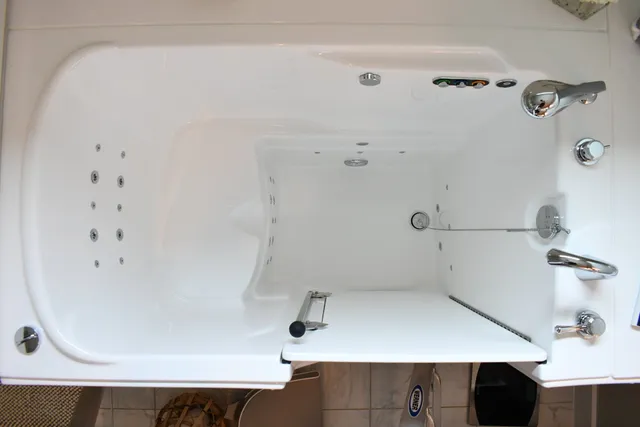
Modern walk-in tubs are designed to enhance comfort, safety, and independence for users of all ages. Among the most sought-after features is walk-in tub heating pad technology, which provides targeted warmth to the back and seat areas. These built-in warmers help maintain a cozy bathing environment, reduce chills, and offer therapeutic benefits for those with joint or muscle discomfort. As more homeowners and caregivers seek accessible bathing solutions, understanding how these heating systems work and what to look for can make a significant difference in daily comfort and well-being.
In this article, we’ll explore how back and seat warmers function, their advantages, and what to consider when choosing a walk-in tub equipped with this technology. We’ll also compare heating pads to other warming options and answer common questions about installation, safety, and maintenance. For those interested in additional safety features, you may also want to learn about walk-in shower grab bar weight ratings to ensure proper support in the bathroom.
How Back and Seat Warmers Work in Accessible Tubs
Back and seat warmers in walk-in tubs typically use low-voltage, electrically powered heating pads that are built directly into the tub’s shell or seat. These pads are designed to gently radiate heat through the acrylic or fiberglass surface, warming the areas where the user’s back and legs rest. The technology is similar to heated car seats, offering a consistent and adjustable level of warmth before, during, and after bathing.
Most systems feature an easy-to-use control panel or button, allowing users to turn the heating elements on or off and sometimes adjust the temperature. Because the pads are integrated into the tub, they are protected from water exposure, ensuring both safety and durability. The warmth provided by these pads can help reduce the initial chill when entering the tub and maintain comfort throughout the bathing process.
Benefits of Walk-In Tub Heating Pad Technology
Adding back and seat warmers to a walk-in tub offers several advantages that go beyond simple comfort. Here are some key benefits:
- Reduces Chills: Heated surfaces help prevent the discomfort of sitting on a cold tub seat, especially when waiting for the tub to fill or drain.
- Soothes Muscles and Joints: Gentle heat can help relax tight muscles and ease joint stiffness, making it especially beneficial for those with arthritis or chronic pain.
- Promotes Relaxation: The sensation of warmth can enhance the overall bathing experience, helping users unwind and de-stress.
- Improves Safety: By keeping the user warm, there is less risk of sudden temperature changes that can cause dizziness or discomfort when entering or exiting the tub.
- Energy Efficient: Most heating pads use minimal electricity, making them a cost-effective addition to the tub’s features.
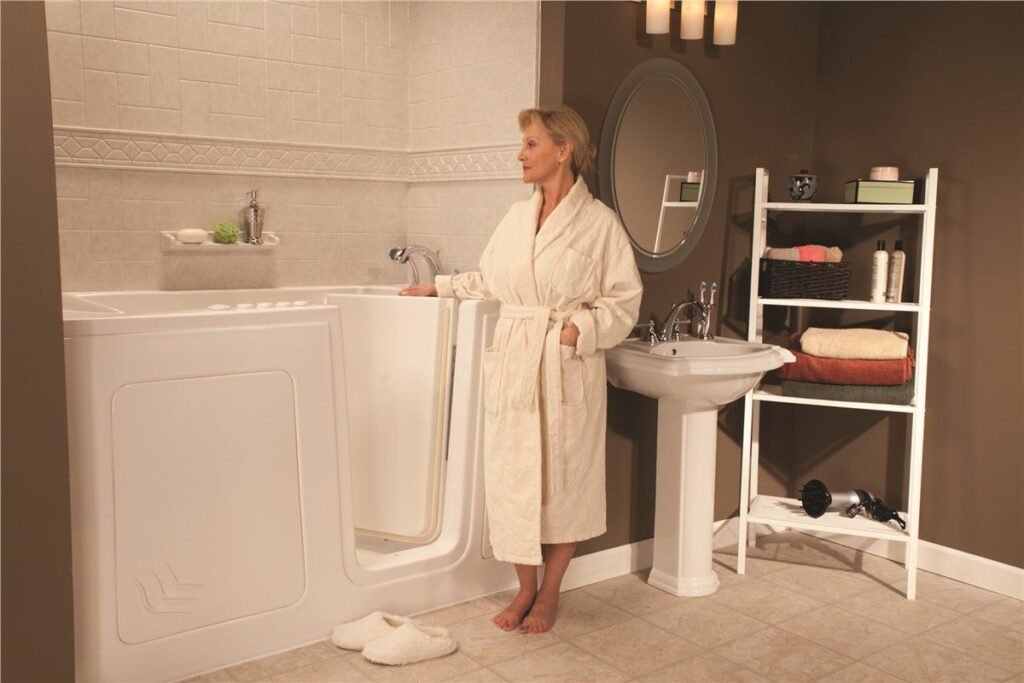
Comparing Heating Pads to Other Tub Warming Options
While walk-in tub heating pad technology is a popular choice, there are other methods for keeping a tub warm. Here’s how heating pads compare to alternatives:
- Heated Water Systems: Some tubs use in-line water heaters to maintain water temperature. While effective for keeping bathwater warm, these systems do not address the coldness of the seat or backrest.
- Portable Heating Cushions: Removable cushions can be placed on the seat, but they may shift during use and are less convenient than built-in solutions.
- Heated Bathroom Floors: Radiant floor heating can warm the room, but it does not provide direct heat to the tub’s surfaces.
Integrated heating pads offer direct, targeted warmth and are typically easier to control and maintain than external or water-based systems.
Choosing the Right Walk-In Tub with Heating Features
When selecting a walk-in tub, consider the following factors to ensure you get the most from the heating features:
- Control Options: Look for tubs with intuitive controls that are easy to reach and operate, even for those with limited dexterity.
- Safety Certifications: Ensure the tub’s heating system meets safety standards for electrical components in wet environments.
- Warranty and Support: Choose a manufacturer that offers a solid warranty and responsive customer service for peace of mind.
- Integration with Other Features: Some tubs combine heating pads with other therapeutic options, such as hydrotherapy jets or aromatherapy canisters, for a more comprehensive bathing experience.
It’s also wise to compare the construction of different models. For example, understanding walk-in tub frame construction types can help you select a tub that is both sturdy and compatible with advanced heating features.
Installation and Maintenance Considerations
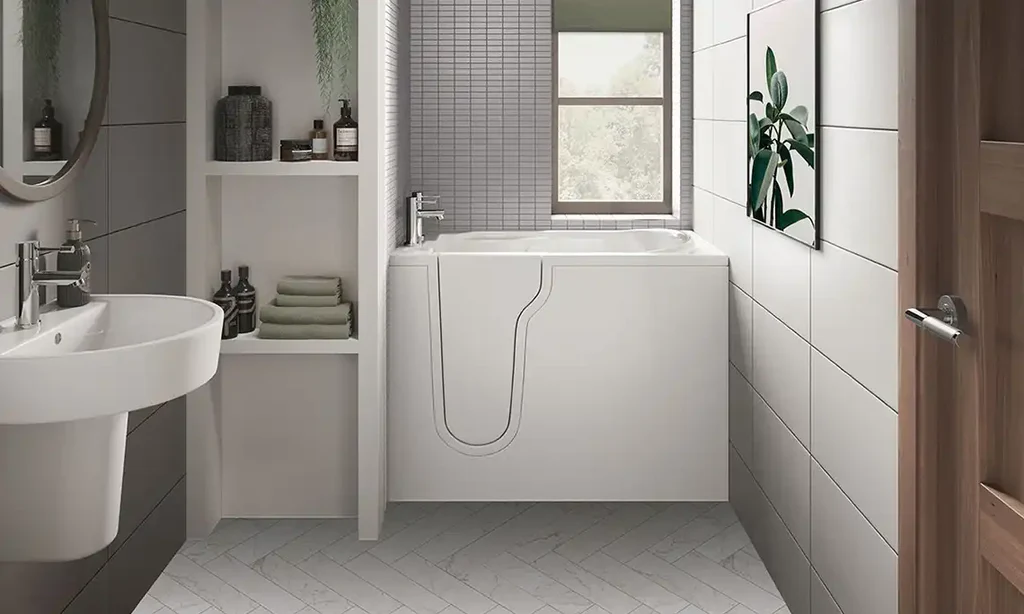
Most walk-in tubs with built-in heating pads are installed by professionals, ensuring that all electrical connections are safe and up to code. The heating elements are sealed within the tub’s structure, minimizing the risk of water damage or electrical issues. Maintenance is generally minimal—simply wipe down the tub as usual and avoid using harsh chemicals that could damage the surface.
If you’re considering a bathroom remodel for accessibility, it’s also worth exploring walk-in shower doorless design pros and cons to see how different layouts and features can work together for your needs.
Additional Comfort and Hygiene Features
Many modern walk-in tubs combine heating pad technology with other innovations to create a safer and more enjoyable bathing environment. For example, some models include ozone sterilization systems to help keep the tub hygienic and reduce the need for harsh cleaning products. Others offer built-in grab bars, slip-resistant floors, and easy-access doors for added safety.
For older adults or those with mobility challenges, these combined features can make a significant difference in daily quality of life. If you’re interested in learning more about accessible bathing options, you can find helpful resources on walk-in showers designed for older people and how they compare to tubs with advanced heating and safety features.
Frequently Asked Questions
Are walk-in tub heating pads safe to use?
Yes, built-in heating pads in walk-in tubs are designed with safety in mind. They use low-voltage electrical systems and are sealed within the tub structure to prevent water exposure. Always ensure your tub is installed by a qualified professional and meets all relevant safety certifications.
How do I control the temperature of the back and seat warmers?
Most walk-in tubs with heating pads feature a simple control panel or button, usually located within easy reach. Some models allow you to adjust the temperature, while others offer a single, comfortable heat setting. Refer to your tub’s user manual for specific instructions.
Can heating pads be added to an existing walk-in tub?
In most cases, heating pads are integrated during the manufacturing process and are not designed to be retrofitted to existing tubs. If you want this feature, it’s best to select a new tub model that includes built-in back and seat warmers.
What maintenance is required for walk-in tub heating pad technology?
Maintenance is minimal. Simply clean the tub as you normally would, avoiding abrasive cleaners that could damage the surface. The heating elements themselves are sealed and require no special care.
Do heating pads increase energy usage significantly?
No, most heating pads are energy efficient and use only a small amount of electricity. They are designed to provide warmth without a noticeable impact on your utility bills.