
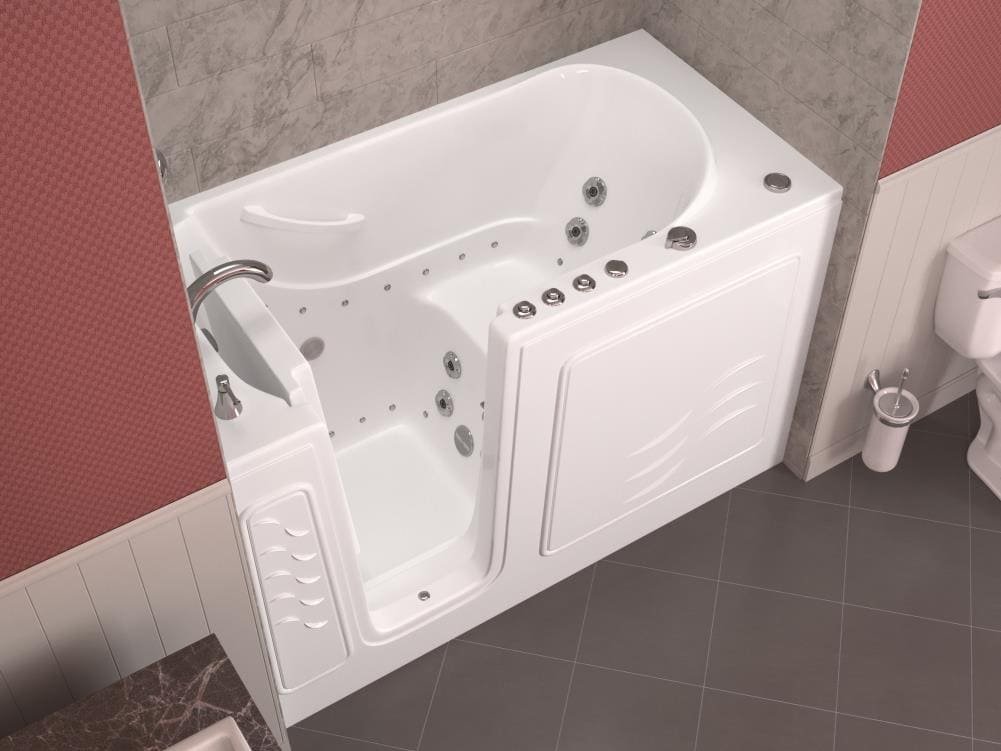
Slippery shower floors are a common safety concern, especially in homes with seniors, children, or anyone with limited mobility. Walk-in shower slip-resistant coatings offer a practical solution to reduce the risk of falls and create a safer bathing environment. Whether you’re considering a do-it-yourself approach or hiring a professional, understanding your options can help you make the best choice for your bathroom.
This article explores the different types of anti-slip coatings available for walk-in showers, compares DIY and professional application methods, and provides tips for selecting the right product for your needs. We’ll also discuss maintenance, costs, and answer frequently asked questions to help you make an informed decision.
For those interested in maximizing safety, pairing slip-resistant coatings with other accessibility features—such as walk-in shower grab bar weight ratings—can provide additional peace of mind and support.
Understanding Non-Slip Coatings for Walk-In Showers
Anti-slip coatings are specially formulated products designed to increase traction on wet surfaces. These coatings can be applied to a variety of shower floor materials, including tile, fiberglass, acrylic, and stone. The main goal is to create a textured surface that reduces the likelihood of slipping when the floor is wet.
There are two primary categories of slip-resistant coatings:
- DIY anti-slip treatments: These are typically available as paints, sprays, or liquid solutions that homeowners can apply themselves.
- Professional-grade coatings: Installed by specialists, these products often offer longer-lasting results and may come with warranties.
Choosing between these options depends on your budget, the type of shower surface, and your comfort level with home improvement projects.
DIY Solutions: Applying Slip-Resistant Products Yourself
Many homeowners opt for do-it-yourself slip-resistant solutions because they are affordable and relatively easy to apply. Here are some popular DIY options:
- Anti-slip paints and epoxy coatings: These products contain fine aggregates or grit to create a rough surface. They are brushed or rolled onto the shower floor and typically require a drying period of 24–48 hours.
- Grip-enhancing sprays: These are sprayed directly onto the surface and dry quickly, making them a convenient choice for minor upgrades.
- Etching solutions: These chemical treatments react with tile or stone to create microscopic texture, improving grip without changing the appearance much.
Before applying any product, it’s important to thoroughly clean and dry the shower floor. Follow the manufacturer’s instructions for best results, and always ensure proper ventilation during application.
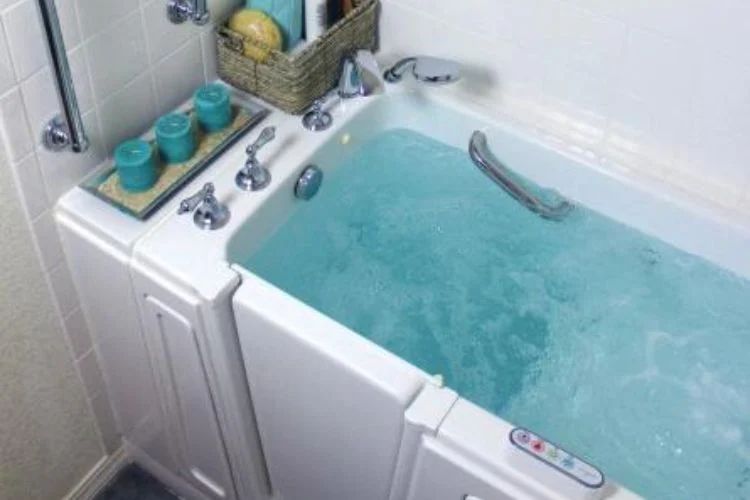
Professional Application: When to Hire an Expert
While DIY products are suitable for many situations, there are times when hiring a professional is the better option. Professional installers use commercial-grade slip-resistant coatings that are often more durable and tailored to your specific shower surface. These coatings can last several years with proper maintenance and are ideal for high-traffic bathrooms or for those seeking a long-term solution.
Benefits of professional application include:
- Expert surface preparation and application techniques
- Access to high-performance, industrial-strength products
- Warranties or guarantees on workmanship and product longevity
- Customized solutions for unique surfaces or accessibility needs
Hiring a pro is especially recommended for large showers, custom tile work, or if you want a seamless finish that blends with your existing decor.
Comparing DIY and Pro Slip-Resistant Coating Options
| Feature | DIY Coatings | Professional Coatings |
|---|---|---|
| Cost | Low to moderate | Moderate to high |
| Durability | 1–2 years (typical) | 3–5 years or more |
| Application Time | 1–2 hours plus drying | Professional scheduling, usually 1 day |
| Skill Required | Basic DIY skills | Professional expertise |
| Customization | Limited | High (color, texture, finish) |
Consider your priorities—budget, longevity, and aesthetics—when deciding which approach is right for your walk-in shower.
Maintaining Your Slip-Resistant Shower Floor
Once a slip-resistant coating is applied, regular maintenance will help preserve its effectiveness. Here are some tips:
- Clean the surface with non-abrasive cleaners to prevent buildup of soap scum and grime.
- Avoid harsh chemicals or scrubbing pads that could wear down the coating.
- Inspect the surface periodically for signs of wear or peeling, especially in high-use areas.
- Reapply or touch up the coating as recommended by the manufacturer or installer.
Proper care ensures your shower remains safe and slip-resistant for years to come.
Additional Safety Upgrades for Walk-In Showers
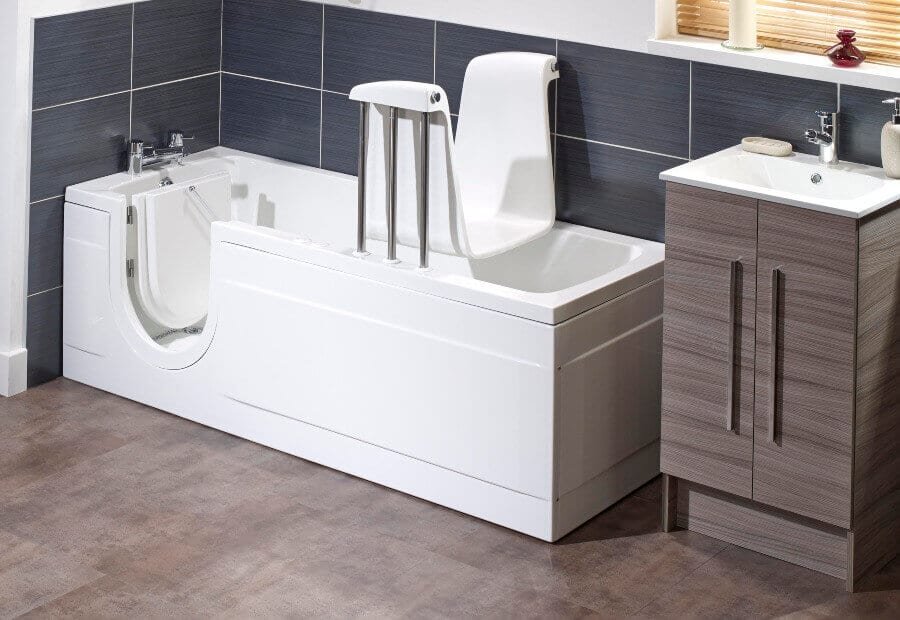
While anti-slip coatings are a significant safety upgrade, combining them with other features can further reduce fall risks. Consider installing grab bars, shower seats, or opting for a doorless walk-in shower design for easier access. For those interested in aging-in-place solutions, learn how walk-in showers can help with independent living and overall bathroom safety.
Some modern walk-in tubs and showers also offer features like aromatherapy, as explained in walk-in tub aromatherapy canisters explained, or advanced hygiene options such as the benefits of ozone sterilization in walk-in tubs.
Choosing the Right Slip-Resistant Coating for Your Needs
When selecting a slip-resistant product, consider the following factors:
- Shower floor material: Some coatings are formulated specifically for tile, fiberglass, or stone.
- Level of slip resistance: Look for products that meet industry standards for wet traction.
- Ease of application: DIY products vary in complexity; choose one that matches your skill level.
- Appearance: Some coatings are clear and nearly invisible, while others add a visible texture or color.
- Maintenance requirements: Check how often the product needs to be reapplied and what cleaning methods are recommended.
Reading product reviews and consulting with professionals can help you find the best solution for your bathroom.
FAQ
How long do slip-resistant coatings last in a walk-in shower?
The lifespan depends on the type of product and how often the shower is used. DIY coatings typically last 1–2 years, while professional applications can last 3–5 years or longer with proper care.
Can I apply a slip-resistant coating over existing tiles?
Yes, most anti-slip coatings are designed to work on tile, as well as other common shower surfaces. Be sure to clean and dry the tiles thoroughly before application for best adhesion.
Are these coatings safe for people with sensitive skin or allergies?
Most modern slip-resistant products are formulated to be safe once cured. However, it’s important to follow all manufacturer instructions and allow adequate curing time before using the shower. If you have specific allergies, check the product’s ingredient list or consult with the manufacturer.
Do slip-resistant coatings change the look of my shower floor?
Some coatings are clear and minimally alter the appearance, while others may add a slight texture or matte finish. If appearance is a concern, look for products labeled as “invisible” or “clear finish.”
Is it necessary to hire a professional, or can I do it myself?
Many homeowners successfully apply DIY slip-resistant coatings, especially for smaller showers or on a budget. For larger spaces, custom surfaces, or if you want a warranty, hiring a professional may be the better option.