
Designing a functional and stylish bathroom in a tight area can be challenging, especially when it comes to selecting the right walk-in shower. With limited square footage, every decision matters—from layout to materials and features. This guide will help you understand what to look for when picking a walk-in shower that fits well in a narrow space, ensuring both comfort and practicality.
Whether you’re remodeling for accessibility, updating for resale, or simply seeking a modern refresh, making informed choices is essential. We’ll explore key considerations such as shower dimensions, door styles, drainage, and safety features. If you’re also interested in safety enhancements, you might want to review walk-in shower grab bar weight ratings for additional support options.
Understanding Space Constraints in Small Bathrooms
Before selecting any fixtures, it’s important to measure your bathroom carefully. Narrow bathrooms often have unique layouts, with limited width and sometimes awkward corners or doorways. When considering how to choose a walk-in shower for a narrow space, focus on:
- Available width and depth: Measure from wall to wall and note any obstacles, such as radiators or windows.
- Door swing and clearance: Ensure there’s enough room for shower doors to open without hitting other fixtures.
- Plumbing locations: Existing drain and water line positions may affect your options.
Accurate measurements will help you avoid costly mistakes and ensure your new shower fits seamlessly.
Choosing the Right Walk-In Shower Shape and Size
For compact bathrooms, the shape and footprint of your shower are crucial. Here are some popular options for tight spaces:
- Rectangular or square bases: These maximize usable floor area and are easy to fit against a wall or in a corner.
- Neo-angle designs: These showers fit neatly into corners and have angled doors to save space.
- Curved enclosures: Rounded doors can make movement easier in very narrow rooms.
Standard walk-in shower widths start at around 32 inches, but many manufacturers offer models as narrow as 30 inches. Always check local building codes for minimum shower sizes to ensure compliance and comfort.
Door Styles for Tight Spaces
The type of door you choose can greatly impact usability in a small bathroom. Consider these options:
- Sliding doors: These don’t require extra clearance and are ideal for narrow layouts.
- Bi-fold doors: Folding doors collapse inward, saving space outside the shower.
- Open entry (doorless): A walk-in design with a fixed glass panel can eliminate the need for a swinging door altogether.
Each style has its pros and cons, but for very limited spaces, sliding or doorless configurations are often the most practical.
Maximizing Accessibility and Safety
Safety is especially important in compact bathrooms. Features like low thresholds, non-slip flooring, and sturdy grab bars can make a big difference. When selecting a walk-in shower for a narrow area, look for:
- Low or zero-entry thresholds: These reduce tripping hazards and make access easier for everyone.
- Integrated seating: A built-in bench or fold-down seat can add comfort without taking up much space.
- Grab bars: For added stability, install grab bars rated for appropriate weight. For more details, see the walk-in shower grab bar weight ratings guide.
Consider also the placement of controls and showerheads so they are easy to reach without stretching or bending.
Drainage and Waterproofing Considerations
Proper drainage is essential in any shower, but especially so in small bathrooms where water can easily escape onto the floor. Make sure the shower base is sloped correctly toward the drain. For more on this topic, refer to the walk-in shower drainage slope requirements resource.
Waterproofing the entire shower area, including walls and floor, will help prevent leaks and mold growth. Use high-quality membranes and sealants for long-term durability.
Material Choices for Small Walk-In Showers
The materials you select can impact both the look and functionality of your shower. For narrow spaces, consider:
- Glass panels: Clear glass creates a sense of openness and allows light to flow through the room.
- Light-colored tiles: Whites and neutrals can make the space feel larger and brighter.
- Compact fixtures: Choose slimline faucets and showerheads to maximize elbow room.
Easy-to-clean surfaces are also a plus, as smaller bathrooms tend to accumulate moisture more quickly.
Comparing Walk-In Showers and Tubs for Small Bathrooms
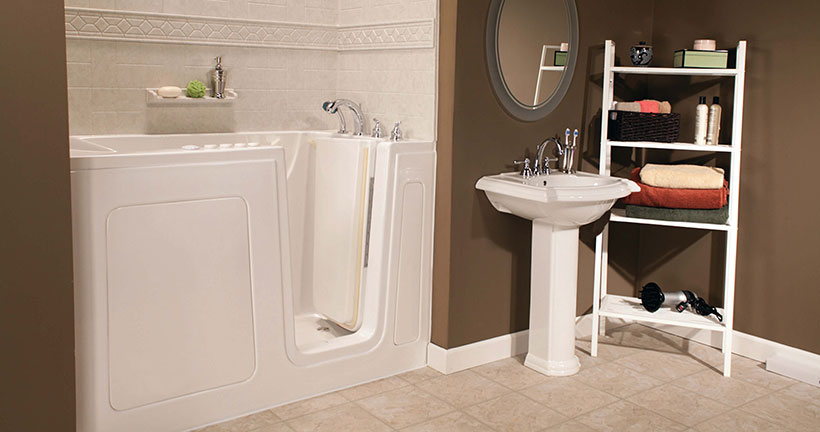
Some homeowners consider replacing a tub with a walk-in shower to save space. While showers generally require less room, there are differences to consider. For a detailed comparison, see the difference between walk-in tubs and garden tubs article.
Walk-in showers offer easier access and a more open feel, while tubs may be preferable for bathing children or soaking. Ultimately, the decision depends on your household’s needs and the available space.
Installation Tips and Professional Help
Installing a walk-in shower in a narrow bathroom often requires professional expertise, especially for plumbing, waterproofing, and tile work. Here are some tips to ensure a smooth installation:
- Work with experienced contractors: Specialists can help you maximize every inch and avoid common pitfalls.
- Plan for ventilation: Good airflow prevents mold and keeps your bathroom fresh.
- Check for permits: Some renovations require local building permits—always confirm before starting work.
For those interested in the technical aspects of tub construction, you may also want to read about walk-in tub frame construction types for insights on durability and support.
Additional Resources and Benefits
Upgrading to a walk-in shower can increase your home’s value, improve accessibility, and make daily routines more convenient. To learn more about the advantages of modern bathroom upgrades, visit this comprehensive guide on the benefits of bathroom upgrades.
Regular maintenance is also important for long-term performance. For tips on keeping your walk-in tub in top shape, see the article on how to maintain walk-in tub pump motors.
Frequently Asked Questions
What is the minimum width for a walk-in shower in a narrow bathroom?
Most building codes require a minimum interior width of 30 to 32 inches for a shower. However, for comfort and accessibility, a width of at least 36 inches is recommended if space allows. Always check your local regulations before purchasing.
Can I install a walk-in shower myself in a small space?
While some homeowners tackle shower installations as DIY projects, working in a tight area adds complexity. Professional installation is usually recommended to ensure proper waterproofing, drainage, and code compliance.
What features should I prioritize for safety in a compact walk-in shower?
Key safety features include low or zero-entry thresholds, non-slip flooring, and sturdy grab bars. Integrated seating and easy-to-reach controls also enhance safety and comfort in small showers.