
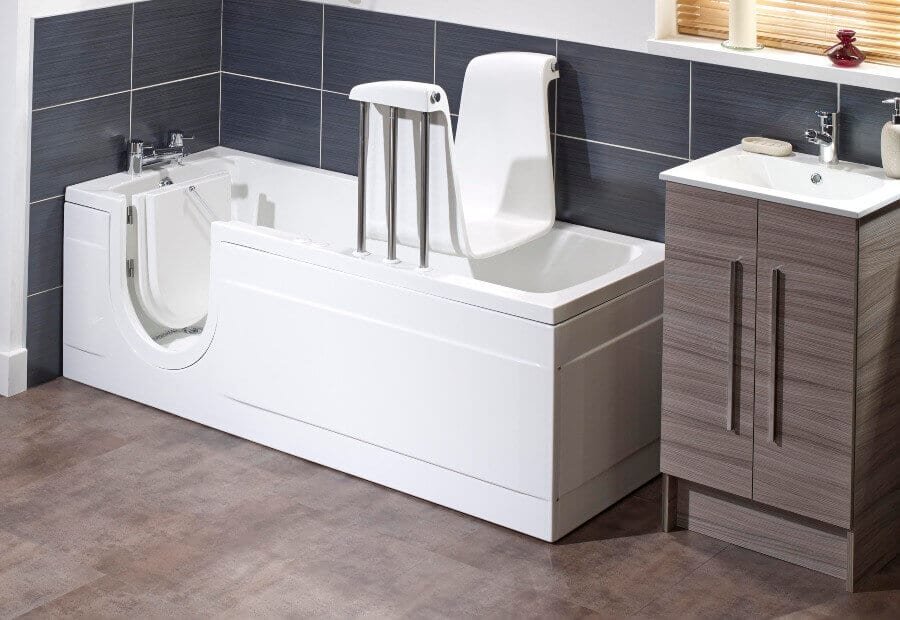
Walk-in tubs offer safety, comfort, and independence for many users, but keeping them running smoothly requires regular care—especially when it comes to the pump motor. A well-maintained pump is essential for quiet, efficient operation and a relaxing bathing experience. Neglecting maintenance can lead to noisy performance, reduced lifespan, and even costly repairs.
This guide explains how to maintain walk-in tub pump motors for optimal performance and minimal noise. You’ll find practical steps, expert tips, and answers to common questions about keeping your walk-in tub in top condition. If you’re interested in related topics, you may also want to learn about walk-in tub frame construction types to better understand the components that support your tub’s operation.
Why Pump Motor Maintenance Matters
The pump motor is the heart of your walk-in tub’s hydrotherapy system. It circulates water through jets, providing soothing massage and helping to keep the water temperature even. Over time, mineral deposits, hair, soap scum, and general wear can cause the pump to work harder, resulting in increased noise and potential breakdowns.
Regular upkeep not only ensures quiet operation but also extends the life of your tub and maintains its therapeutic benefits. Proper care can prevent issues before they start, saving you time and money in the long run.
Key Steps to Maintain Walk-In Tub Pump Motors
Following a consistent maintenance routine is the best way to keep your pump motor running quietly and efficiently. Here are the essential steps:
-
Read the Manufacturer’s Manual
Always start by reviewing the user manual for your specific walk-in tub model. Manufacturers provide detailed instructions for cleaning and maintaining the pump motor, including recommended products and schedules. Adhering to these guidelines helps avoid voiding warranties and ensures you’re using safe methods.
-
Regular Cleaning of the Pump System
To prevent buildup that can cause noise and reduce efficiency, clean the pump system at least once a month. Fill the tub with warm water above the jets, add a small amount of low-foaming detergent or white vinegar, and run the jets for 10–15 minutes. Drain and refill with clean water, then run the jets again to rinse.
-
Inspect for Debris and Blockages
Periodically check the intake and jet openings for hair, lint, or other debris. Blockages can force the pump to work harder, leading to louder operation. Remove any obstructions gently with a soft brush or cloth.
-
Check for Leaks and Moisture
Examine the area around the pump motor for signs of water leaks or excess moisture. Leaks can damage electrical components and create noise. If you notice any dampness, tighten fittings or consult a professional for repairs.
-
Lubricate Moving Parts
Some pump motors have bearings or other moving parts that require occasional lubrication. Use only lubricants specified by the manufacturer. Proper lubrication reduces friction, which helps the motor run more quietly.
-
Monitor for Unusual Sounds
Listen for grinding, rattling, or buzzing noises during operation. These can indicate worn parts or loose components. Addressing these issues early can prevent more serious damage and maintain quiet performance.

Tips for Quieter Pump Operation
Even with regular maintenance, some walk-in tub pumps can become noisier over time. Here are additional strategies to minimize sound and enhance your bathing experience:
-
Install Anti-Vibration Pads
Placing anti-vibration pads beneath the pump can absorb sound and reduce noise transmission through the floor or tub frame.
-
Secure Loose Components
Check mounting brackets, screws, and hoses for looseness. Tightening these parts can eliminate rattling and humming sounds.
-
Schedule Professional Inspections
Annual checkups by a qualified technician can catch wear and tear before it becomes a problem. Professionals can also balance the pump system for optimal quietness.
-
Keep the Area Around the Pump Clear
Ensure that towels, cleaning supplies, or other objects are not touching the pump motor, as these can amplify vibrations and increase noise.
Common Issues Affecting Pump Motor Noise
Understanding what causes increased noise can help you address problems quickly. Some frequent culprits include:
- Mineral Deposits: Hard water can lead to scale buildup inside the pump and jets, restricting water flow and causing the motor to strain.
- Worn Bearings: Bearings inside the motor can wear out over time, resulting in grinding or squealing sounds.
- Electrical Issues: Faulty wiring or loose connections may create buzzing or humming noises and should be checked by a professional.
- Improper Installation: If the pump was not installed correctly, it may vibrate excessively or be prone to leaks. Consult your installer if you suspect this is the case.
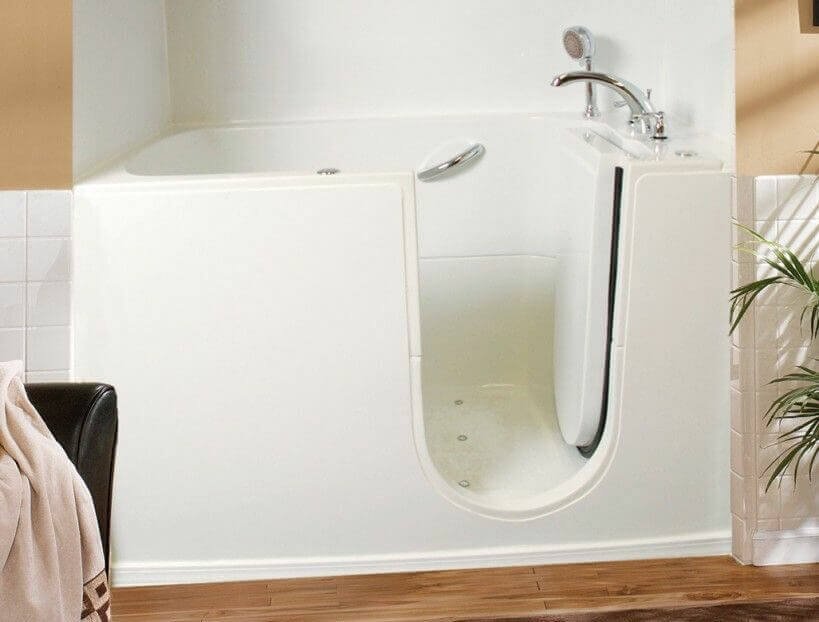
Additional Maintenance Considerations
Besides the pump motor, other components of your walk-in tub also require attention. For example, ensuring the frame is in good condition can help reduce vibrations and noise. If you’re comparing different tub designs, our article on walk-in tub water capacity vs standard tubs offers insights into how tub size and construction can impact maintenance needs.
For those seeking more accessible bathing solutions, walk-in tubs for seniors provide additional safety features and may include quieter, more efficient pump designs.
When to Call a Professional
While many maintenance tasks can be handled by homeowners, some situations require expert help:
- Persistent loud noises after cleaning and tightening components
- Visible leaks or water damage near the pump motor
- Electrical issues, such as tripped breakers or burning smells
- Difficulty accessing or removing the pump for inspection
Professional technicians have the tools and expertise to diagnose and repair complex issues, ensuring your tub remains safe and quiet.
FAQ
How often should I clean the pump motor in my walk-in tub?
It’s recommended to clean the pump system at least once a month, or more frequently if you use the tub daily or have hard water. Regular cleaning helps prevent buildup that can cause noise and reduce efficiency.
What cleaning solutions are safe for the pump motor and jets?
Use a low-foaming detergent or white vinegar diluted in water. Avoid harsh chemicals or abrasive cleaners, as these can damage seals and internal components. Always follow the manufacturer’s recommendations for cleaning products.
Can I perform maintenance myself, or should I hire a professional?
Basic cleaning and inspection can usually be done by the homeowner, but if you encounter persistent noise, leaks, or electrical issues, it’s best to contact a professional technician. Annual professional inspections are also a good idea for long-term reliability.
Are there ways to make an older walk-in tub pump quieter?
Yes, installing anti-vibration pads, tightening loose components, and ensuring the area around the pump is clear can help reduce noise. If the motor itself is worn, replacing bearings or upgrading the pump may be necessary.
Where can I find more information about walk-in tub features and maintenance?
For more details on related topics, explore our articles on walk-in tub remote control features and walk-in shower grab bar weight ratings to enhance your bathroom’s safety and convenience.