
When planning a bathroom renovation or choosing a new tub, understanding the difference between walk-in tubs and garden tubs is essential. Both options offer unique benefits, but they serve different needs, styles, and accessibility requirements. This article provides a detailed comparison to help you make an informed decision based on your lifestyle, mobility, and design preferences.
Whether you’re seeking a safer bathing solution for aging in place or a luxurious soaking experience, knowing how these two types of tubs differ can guide your investment. We’ll break down their features, advantages, drawbacks, and ideal users, so you can confidently select the right fit for your home.
For those interested in the construction and durability of accessible tubs, you may want to explore walk-in tub frame construction types for a deeper look at frame materials and their impact on longevity.
What Sets Walk-In Tubs Apart?
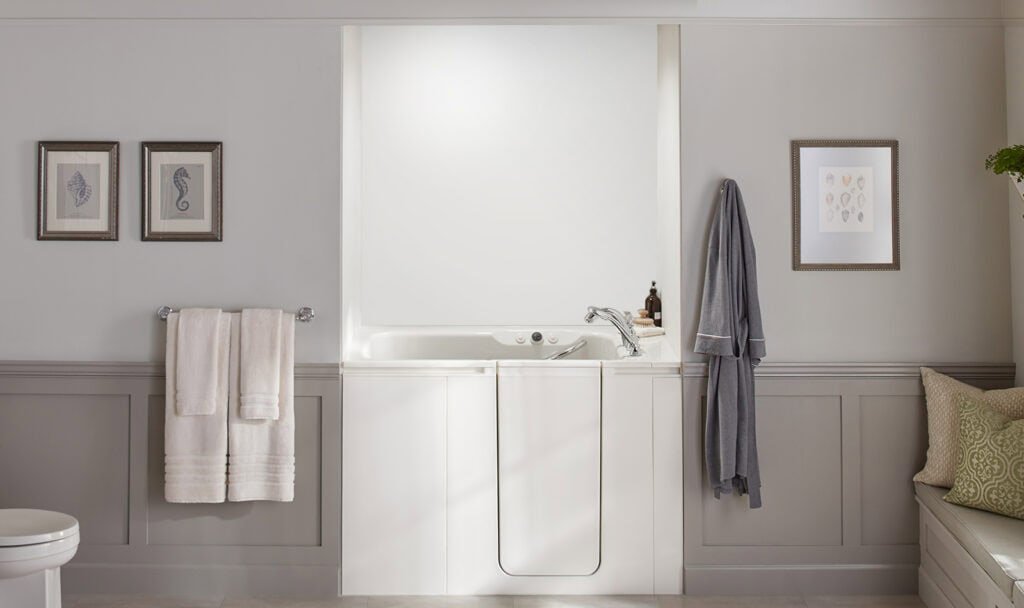
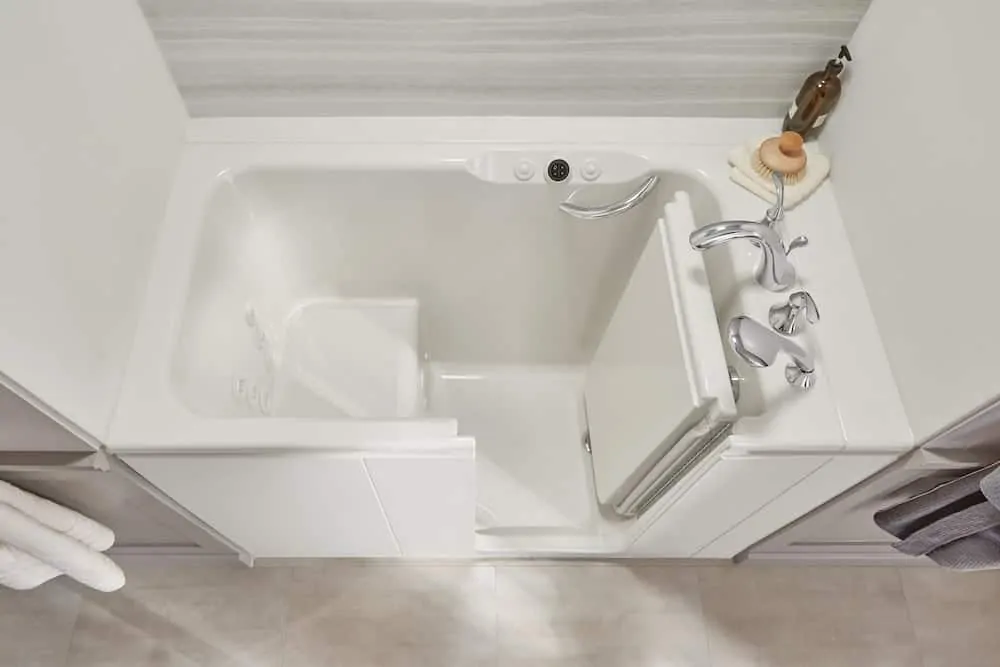
Walk-in tubs are designed with accessibility and safety as top priorities. They feature a low threshold door, allowing users to step in without lifting their legs over a high tub wall. This makes them particularly suitable for seniors, people with mobility challenges, or anyone who values ease of entry and exit.
- Built-in seating: Most walk-in tubs include a molded seat, so users can bathe in a comfortable upright position.
- Grab bars and non-slip floors: These features reduce the risk of slips and falls, offering peace of mind for those with balance concerns.
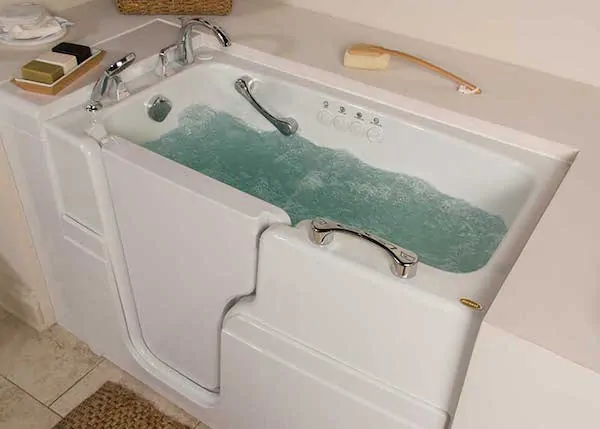
- Watertight door: The door seals tightly to prevent leaks, and tubs fill and drain while the user is inside.
- Optional hydrotherapy: Many models offer jets for therapeutic massage, which can help with aches and circulation.
Walk-in tubs are typically deeper than standard tubs but shorter in length, making them a practical choice for smaller bathrooms or retrofitting existing spaces. They are not designed for lying down but for seated soaking and bathing.
Understanding Garden Tubs: Features and Appeal
Garden tubs are known for their spacious, luxurious design. These tubs are typically larger and deeper than standard bathtubs, allowing for full-body soaking and relaxation. They are often oval or round, with sloped sides for reclining comfort, and are usually installed as a centerpiece in master bathrooms.
- Ample space: Garden tubs are ideal for those who enjoy long, relaxing baths and want room to stretch out.
- Freestanding or drop-in styles: These tubs can be installed as standalone fixtures or built into a deck or platform.
- Design flexibility: Garden tubs come in various materials and finishes, making them a favorite for upscale bathroom remodels.
- No built-in seating or door: Unlike walk-in tubs, garden tubs require users to step over a high rim, which may not be suitable for everyone.
While garden tubs offer a spa-like experience, they are less focused on accessibility and more on luxury. Their size and water capacity may require additional floor space and a larger water heater.
Comparing Key Differences: Accessibility, Comfort, and Installation
When weighing the difference between walk-in tubs and garden tubs, several factors stand out:
| Feature | Walk-In Tub | Garden Tub |
|---|---|---|
| Accessibility | High – low threshold, door, seat, grab bars | Low – high rim, no door, no seat |
| Comfort | Seated soaking, hydrotherapy options | Reclined soaking, spacious layout |
| Installation | Fits in standard tub space, may require plumbing updates | Needs more space, often requires custom platform |
| Ideal User | Seniors, people with mobility challenges | Those seeking luxury and relaxation |
| Water Usage | Moderate to high, but less than garden tubs | High – may need larger water heater |
Who Should Choose a Walk-In Tub?
If safety and independence are your top concerns, a walk-in tub is often the best choice. These tubs are engineered for those who want to bathe without assistance, reduce fall risks, and enjoy therapeutic benefits. They are also suitable for caregivers assisting loved ones, as the door and seat make transfers easier.
For more details on water usage and how walk-in models compare to other tubs, see this walk-in tub water capacity vs standard tubs guide.
Walk-in tubs can be a smart investment for aging in place, post-surgery recovery, or anyone with arthritis or joint pain. The built-in safety features and optional hydrotherapy jets add comfort and peace of mind.
When Is a Garden Tub the Right Fit?
Garden tubs are perfect for homeowners who prioritize relaxation and have enough space for a larger fixture. If you enjoy long soaks, want a focal point for your bathroom, and don’t have mobility concerns, a garden tub delivers a spa-like experience.
Keep in mind that these tubs require stepping over a higher wall and may not be suitable for those with balance or strength limitations. They also consume more water, which can impact your utility bills and may require plumbing upgrades.
Additional Considerations: Cost, Maintenance, and Resale Value
Cost varies widely between these two tub types. Walk-in tubs tend to be more expensive due to their specialized features and installation requirements. Garden tubs can also be costly, especially when factoring in the need for a custom surround or platform.
Maintenance is another factor. Walk-in tubs may require regular checks of the door seal and jets, while garden tubs are generally easier to clean but can be harder to access for scrubbing due to their size.
In terms of resale value, both options can enhance a home’s appeal, but walk-in tubs are especially attractive in homes marketed to retirees or those seeking accessible living. Garden tubs, on the other hand, appeal to buyers looking for luxury and style.
Related Options and Alternatives
If you’re still undecided, consider exploring walk-in showers as an alternative for accessibility, or compare walk-in shower kits and custom builds to see if a shower solution better fits your needs. For added safety, review walk-in shower grab bar weight ratings to ensure proper support in your bathing area.
FAQ
Are walk-in tubs safer than garden tubs?
Yes, walk-in tubs are specifically designed for safety, featuring low entry thresholds, built-in seats, grab bars, and non-slip surfaces. These elements make them much safer for individuals with mobility issues compared to garden tubs, which require stepping over a high rim and do not include accessibility features.
Can a walk-in tub fit in the same space as a garden tub?
Walk-in tubs are generally more compact in length but deeper than garden tubs. While they can often replace a standard tub, garden tubs usually require more space. If you’re considering switching from a garden tub to a walk-in model, measure your bathroom carefully and consult a professional installer.
Do walk-in tubs use more water than garden tubs?
Garden tubs typically use more water due to their larger size and full-body soaking design. Walk-in tubs are deep but not as long or wide, so their water capacity is usually less than that of a garden tub. However, both types may require a larger water heater for optimal use.
Which tub is easier to clean and maintain?
Garden tubs are generally easier to clean because they have fewer moving parts and no door seals or jets. Walk-in tubs require regular maintenance of the door gasket and, if equipped, the hydrotherapy system. However, the seated position in a walk-in tub can make cleaning easier for those with limited mobility.
Can I add grab bars or safety features to a garden tub?
While it’s possible to install grab bars near a garden tub, the high entry wall and lack of a door still present accessibility challenges. If safety is a primary concern, a walk-in tub or walk-in shower may be a better solution.