
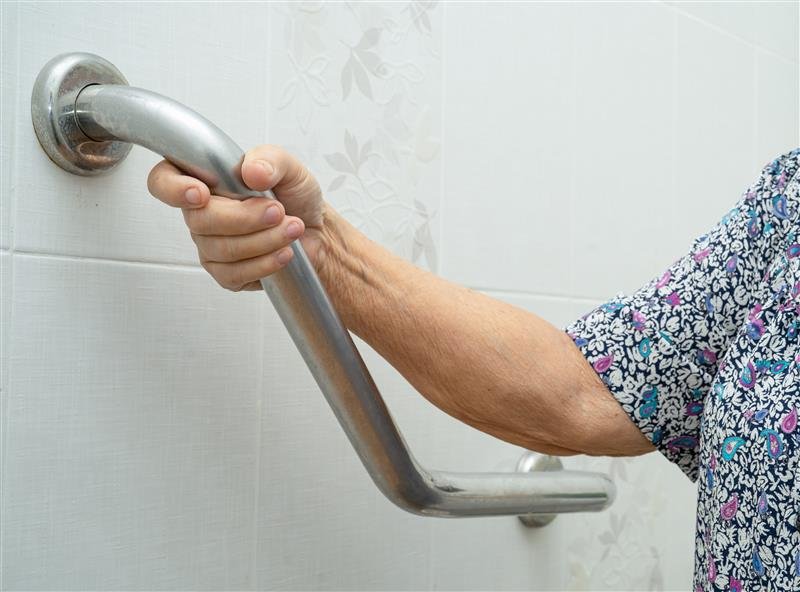
Preparing your living space for retirement is one of the most important steps you can take to ensure comfort, independence, and peace of mind as you age. Home safety planning for retirement involves evaluating your environment, identifying potential hazards, and making practical improvements that reduce risks and support your lifestyle. Whether you’re planning to age in place or simply want to future-proof your home, a proactive approach can help prevent accidents and make daily life easier.
This guide provides a comprehensive checklist to help you assess your home, prioritize upgrades, and create a safer, more accessible environment. We’ll also highlight essential products, expert tips, and trusted resources for seniors and their families.
For those interested in a more detailed room-by-room approach, the aging in place home improvement checklist offers additional insights and practical steps for seniors looking to remain in their homes safely.
Why Home Safety Should Be a Priority for Retirees
As we age, our mobility, vision, and balance can change, making everyday activities more challenging. Falls and household accidents are among the leading causes of injury for older adults. By focusing on home safety planning for retirement, you can significantly reduce these risks and maintain your independence for longer.
- Peace of mind: Knowing your home is safe allows you and your loved ones to worry less about accidents.
- Cost savings: Preventing injuries can help avoid expensive medical bills and potential long-term care needs.
- Improved quality of life: A safer home supports your ability to enjoy daily routines and activities.
Essential Steps for a Safer Home Environment
Creating a secure living space involves a thorough assessment and targeted improvements. Below is a checklist to guide your efforts:
1. Entryways and Hallways
- Install sturdy handrails on both sides of stairs and ramps.
- Ensure all walkways are clear of clutter, cords, and loose rugs.
- Add non-slip mats or treads to steps and entryways.
- Improve lighting with bright, energy-efficient bulbs and consider motion sensors for added convenience.
2. Bathroom Modifications for Safety
The bathroom is a common site for slips and falls. Simple upgrades can make a significant difference:
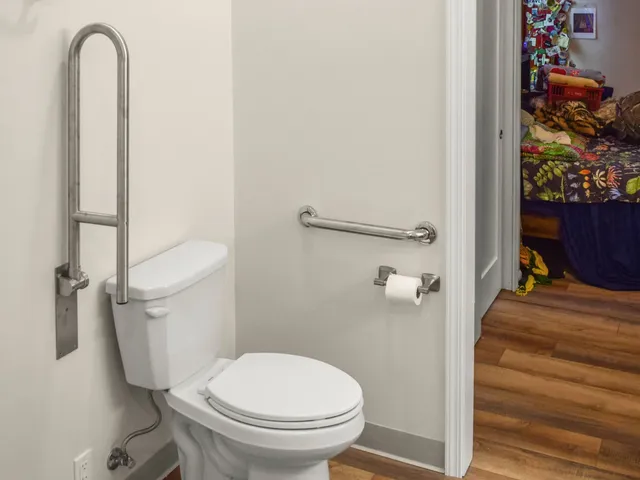
- Install grab bars near the toilet and in the shower or tub. For more on their benefits, see how grab bars improve safety for seniors in assisted living.
- Use non-slip mats inside and outside the tub or shower.
- Consider a raised toilet seat or toilet safety rails for easier transfers.
- Ensure faucets are easy to turn and set water heater temperature to prevent scalding.
For additional tips on enhancing bathroom safety, check out bathroom safety features every senior should consider and bathroom safety solutions for multigenerational homes.
3. Kitchen Adjustments
- Keep frequently used items within easy reach to avoid climbing or stretching.
- Use non-slip mats in front of the sink and stove.
- Install lever-style handles on faucets for easier operation.
- Check that appliances are in good working order and cords are out of the way.
4. Living and Bedroom Areas
- Arrange furniture to allow clear, wide pathways.
- Secure area rugs with non-slip backing or remove them entirely.
- Ensure light switches are easily accessible from the bed and main seating areas.
- Consider adding nightlights in hallways and bedrooms for safe nighttime movement.
5. General Home Safety Upgrades
- Test smoke and carbon monoxide detectors monthly and replace batteries as needed.
- Keep a fire extinguisher in the kitchen and know how to use it.
- Store emergency contact numbers in an easy-to-find location.
- Develop an emergency exit plan and practice it with family or caregivers.
Assistive Devices and Accessibility Solutions
Incorporating assistive devices is a key part of home safety planning for retirement. These tools can help with mobility, stability, and daily routines. Some popular options include:
- Shower chairs and transfer benches for easier bathing
- Reachers and grabbers for picking up items without bending
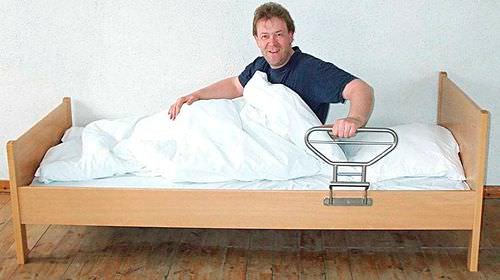
- Bed rails for added support when getting in and out of bed
- Stair lifts or ramps for multi-level homes
For more ideas on making your bathroom accessible, visit bathroom accessibility upgrades that make a difference.
Reducing Fall Risks and Promoting Wellbeing
Falls are a major concern for older adults, but many are preventable with thoughtful home safety planning for retirement. Regularly review your home for new hazards, especially after any health changes. Consider these additional tips:
- Have your vision and hearing checked annually.
- Review medications with your doctor to identify side effects that may affect balance.
- Stay active with exercises that improve strength and flexibility.
- Ask family or friends to help with heavy chores or seasonal maintenance.
To better understand the risks and prevention strategies, see understanding fall risks in older adults.
Creating a Personalized Home Safety Checklist
Every home and individual is unique. Use the following steps to tailor your safety plan:
- Walk through each room and note any potential hazards or areas for improvement.
- Prioritize changes that address the most significant risks, such as falls or fire hazards.
- Consult with occupational therapists or aging-in-place specialists for expert recommendations.
- Involve family members or caregivers in the planning and implementation process.
- Review and update your checklist regularly as your needs evolve.
Frequently Asked Questions
What are the most important areas to focus on when making a home safer for retirement?
Start with high-risk areas like bathrooms, stairs, and entryways. Addressing slip and trip hazards, improving lighting, and adding support devices such as grab bars and handrails can make a significant difference. Regularly check for clutter and ensure emergency equipment is in place and functioning.
How can I make my bathroom safer as I age?
Install grab bars near the toilet and in the shower, use non-slip mats, and consider a raised toilet seat or shower chair. Ensure that all surfaces remain dry and that lighting is bright and easy to control. For more detailed suggestions, see our resources on bathroom safety features for seniors.
Are there professionals who can help with home safety planning?
Yes, occupational therapists and certified aging-in-place specialists can assess your home and recommend modifications tailored to your needs. Many local agencies and nonprofits also offer home safety evaluations and assistance with upgrades.
Conclusion
Taking the time to plan and implement home safety improvements for retirement is an investment in your health, independence, and overall wellbeing. By following a thorough checklist and seeking expert advice when needed, you can create a living space that supports your needs today and in the years to come.