
Creating a safe and comfortable environment for older adults who wish to remain in their own homes is a top priority for many families. A comprehensive aging in place safety checklist can help identify potential hazards and guide essential modifications, ensuring that seniors can maintain independence while minimizing risks. This guide outlines practical steps and room-by-room recommendations to make modern homes safer and more accessible for aging residents.
For those seeking a broader overview of home improvements tailored to seniors, the aging in place home improvement checklist offers additional insights into upgrades that support long-term comfort and safety.

Why a Home Safety Assessment Matters
Falls and accidents are among the leading causes of injury for older adults. A proactive approach to home safety can significantly reduce these risks. By systematically reviewing each area of the house, families can address hazards before they lead to incidents. This checklist is designed to help you evaluate your living space and implement changes that support safe, independent living.
Room-by-Room Guide to Home Safety
Every room presents unique challenges and opportunities for improvement. Below is a detailed breakdown of key areas to focus on when reviewing your home for safety and accessibility.
Entryways and Hallways
- Clear pathways of clutter, cords, and loose rugs to prevent tripping.
- Ensure all entryways are well-lit with easily accessible light switches.
- Install sturdy handrails on both sides of stairs and ramps where needed.
- Consider lever-style door handles, which are easier to use than traditional knobs.
Living Room and Common Areas
- Arrange furniture to allow wide, unobstructed walkways.
- Secure area rugs with non-slip backing or remove them entirely.
- Keep frequently used items within easy reach to avoid unnecessary bending or stretching.
- Use chairs with firm cushions and armrests for easier sitting and standing.
Kitchen Safety Essentials
- Store heavy or frequently used items at waist height to minimize reaching.
- Install bright, glare-free lighting over workspaces and the stove.
- Use appliances with automatic shut-off features for added peace of mind.
- Keep a fire extinguisher within easy reach and ensure everyone knows how to use it.
Bathroom Safety: High-Priority Modifications
The bathroom is a common site for slips and falls. Implementing the following changes can make a significant difference:
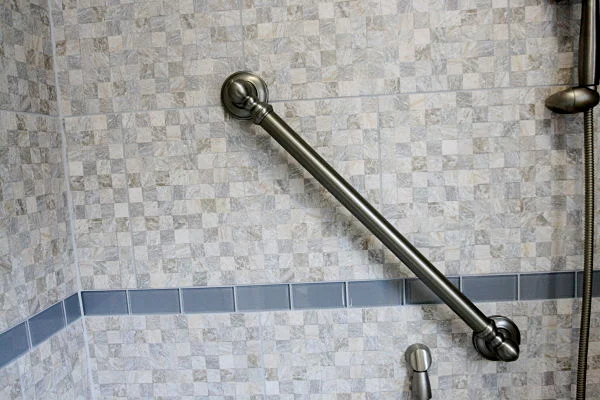
- Install grab bars near the toilet, shower, and bathtub. For a detailed overview, see this room-by-room guide to grab bars.
- Use non-slip mats inside and outside the shower or tub.
- Consider a walk-in shower or tub with a low threshold for easier access.
- Place a shower chair or bench for added stability while bathing.
- Elevate the toilet seat or add safety rails for easier transfers.
For more targeted solutions, explore bathroom safety solutions for multigenerational homes and bathroom accessibility upgrades that make a difference for seniors and families.
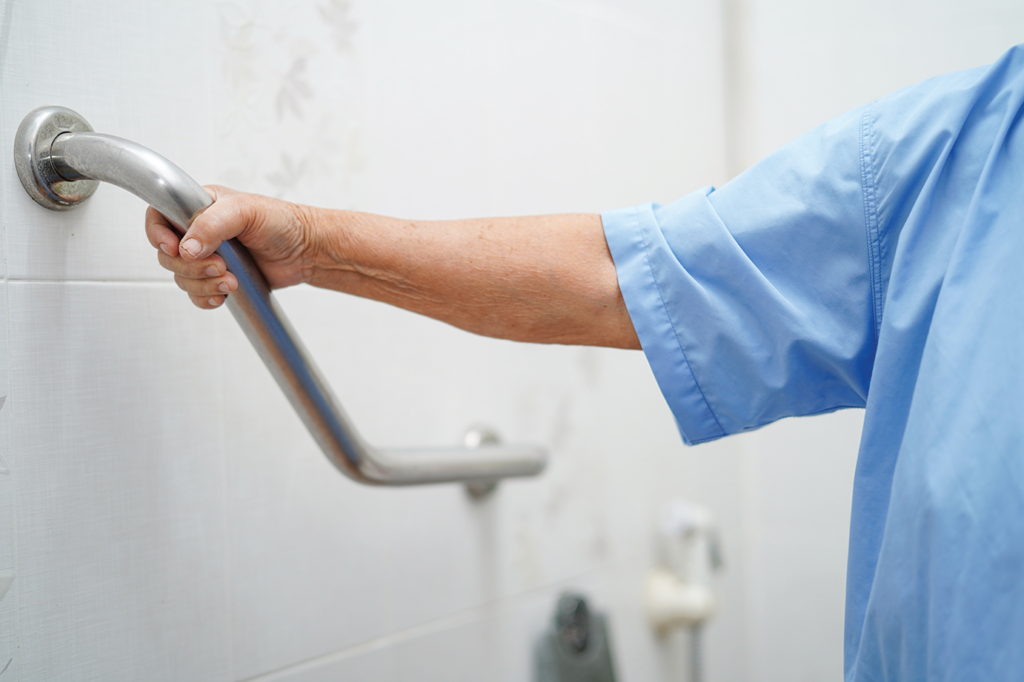
Additional tips and recommendations can be found in the bathroom safety features every senior should consider article, which covers the latest products and design strategies.
Bedroom Adjustments for Safer Nights
- Place a lamp, phone, and flashlight within arm’s reach of the bed.
- Use nightlights in hallways and bathrooms to prevent falls during nighttime trips.
- Choose a bed height that allows feet to rest flat on the floor when sitting on the edge.
- Install rails or assistive devices if needed for getting in and out of bed safely.
Lighting and Electrical Safety
- Upgrade to bright, energy-efficient bulbs in all rooms.
- Install motion-sensor lights in key areas like hallways and bathrooms.
- Ensure that electrical cords are tucked away and not stretched across walkways.
- Check that all outlets and switches are in good working order and easy to reach.
Preventing Falls and Other Common Hazards
Falls are a major concern for those aging at home. According to the CDC, one in four Americans aged 65+ falls each year. Many of these incidents are preventable with the right precautions. For a deeper understanding of risk factors, see understanding fall risks in older adults.
- Remove or secure loose rugs and cords.
- Keep floors dry and promptly clean up spills.
- Wear non-slip footwear indoors.
- Schedule regular vision and hearing checks to address sensory changes.
Checklist for Modern Home Safety Upgrades
Modern technology and thoughtful design can further enhance safety and convenience. Consider these upgrades:
- Smart home devices like voice-activated assistants, automated lighting, and video doorbells.
- Medical alert systems for immediate assistance in emergencies.
- Adjustable countertops and pull-out shelves for easier access in kitchens and bathrooms.
- Widened doorways and zero-threshold entries for wheelchair or walker accessibility.
Maintaining and Reviewing Your Home Safety Plan
Safety is an ongoing process. Regularly review your home environment and update your checklist as needs change. Involve family members, caregivers, or professionals in periodic assessments to ensure nothing is overlooked. Staying proactive helps maintain independence and peace of mind for everyone involved.
Frequently Asked Questions
What is the most important area to address for aging in place safety?
While every room matters, the bathroom typically presents the highest risk for slips and falls. Installing grab bars, non-slip mats, and raised toilet seats are among the most effective measures. Entryways and stairs should also be prioritized for improved lighting and sturdy handrails.
How often should I review my home safety checklist?
It’s recommended to review your safety plan at least once a year or whenever there is a change in mobility, health status, or living arrangements. Regular checks help ensure that modifications continue to meet evolving needs.
Are there affordable ways to improve home safety for seniors?
Yes, many effective changes are low-cost, such as removing tripping hazards, adding nightlights, and installing basic grab bars. For more advanced needs, some local organizations and government programs offer assistance with home modifications for older adults.