
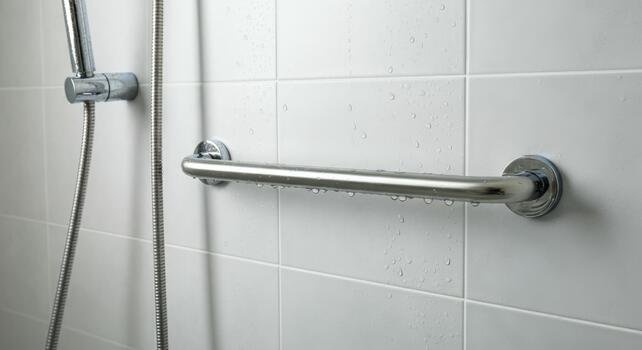
Creating a safe and comfortable bathroom environment is essential for older adults who wish to maintain independence and confidence at home. Bathroom ergonomics for seniors focuses on adapting fixtures, layouts, and accessories to reduce fall risks and make daily routines easier. With thoughtful design and the right support features, the bathroom can become a space that promotes both safety and dignity.
Many families are exploring aging in place home improvement checklist resources to help loved ones remain in their homes longer. One of the most important rooms to address is the bathroom, where slippery surfaces and awkward movements can pose significant hazards. This guide explores practical ways to enhance comfort, support, and accessibility for seniors in the bathroom.
Why Ergonomic Design Matters for Senior Bathrooms
As people age, mobility, balance, and strength can decline, making everyday activities more challenging. The bathroom, with its hard surfaces and confined spaces, is a common site for slips and falls. According to the CDC, falls are a leading cause of injury among older adults, and many of these incidents happen in the bathroom.
Adopting bathroom ergonomics for seniors means designing the space to accommodate changing needs. This includes:
- Reducing the need for bending, twisting, or reaching
- Ensuring stable support for transfers and movement
- Improving visibility and minimizing tripping hazards
- Making controls and fixtures easy to use, even with limited dexterity
By prioritizing ergonomic design, families can help seniors maintain their independence and reduce the risk of accidents.
Key Features for a Senior-Friendly Bathroom
There are several practical upgrades and modifications that can make a significant difference in comfort and safety. Here are some of the most effective solutions:
Grab Bars and Support Rails
Installing sturdy grab bars is one of the most recommended changes for enhancing bathroom safety and ergonomics for seniors. These bars provide reliable support when getting in and out of the shower, stepping over tub edges, or using the toilet. For best results, choose bars that are professionally installed and rated for the user’s weight.
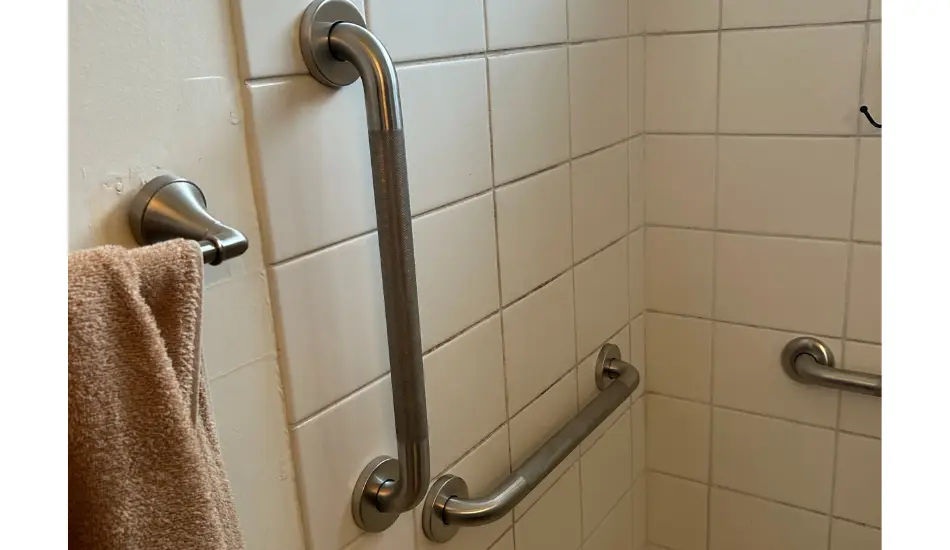
For more details on why these supports are essential, see this comprehensive explanation of grab bars for seniors.
Accessible Showers and Tubs
Traditional bathtubs can be difficult to step into and out of. Consider replacing tubs with walk-in showers or low-threshold shower bases. Adding a built-in or portable shower seat can also help seniors bathe safely and comfortably. Non-slip mats or textured flooring further reduce the risk of slipping.
Raised Toilet Seats and Toilet Safety Rails
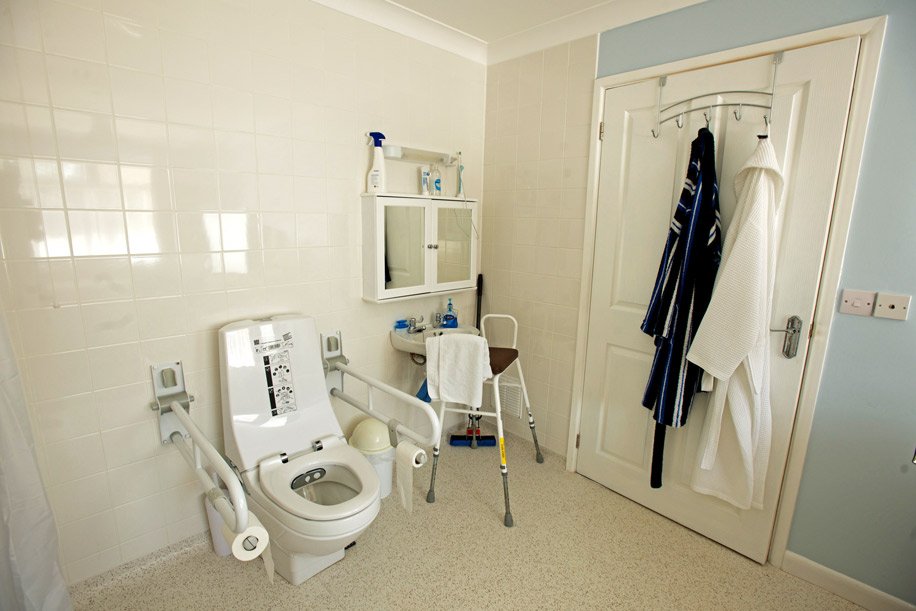
Standard toilets may be too low for some seniors, making it hard to sit down or stand up. Raised toilet seats and safety rails provide extra height and support, making transfers easier and reducing strain on joints. These additions are simple yet highly effective for improving bathroom ergonomics for older adults.
Easy-to-Use Faucets and Controls
Lever-style faucets are easier to operate than traditional knobs, especially for those with arthritis or limited hand strength. Anti-scald devices and thermostatic controls can prevent accidental burns, adding another layer of safety.
Lighting and Visibility Improvements
Good lighting is crucial for preventing accidents. Install bright, even lighting throughout the bathroom, including in the shower and near the toilet. Nightlights or motion-activated lights can help seniors navigate safely during nighttime visits.
Contrasting colors for grab bars, toilet seats, and edges can also help those with vision changes distinguish important features more easily.
Organizational Tips for a Safer Bathroom
Clutter and loose items increase the risk of trips and falls. Keep toiletries, towels, and cleaning supplies organized and within easy reach. Use shelves, baskets, or wall-mounted dispensers to minimize bending and reaching.
Additional Resources and Upgrades
For families looking to take a comprehensive approach, exploring bathroom safety solutions for multigenerational homes and bathroom accessibility upgrades that make a difference can provide further ideas. These resources offer guidance on universal design principles, product recommendations, and step-by-step upgrade checklists.
Understanding the specific fall risks in older adults is also important for tailoring improvements to individual needs. No two people age the same way, so personalizing the bathroom environment is key to maximizing both safety and comfort.
Maintaining Comfort and Independence
Adapting the bathroom for seniors is not only about preventing accidents—it’s also about promoting confidence and self-reliance. When older adults feel secure in their daily routines, they are more likely to maintain their independence and overall well-being.
Simple changes like installing grab bars, improving lighting, and reducing clutter can have a significant impact. For those seeking more extensive modifications, consulting with occupational therapists or accessibility specialists can help create a tailored plan that addresses unique needs and preferences.
FAQ: Common Questions About Senior Bathroom Ergonomics
What are the most important bathroom modifications for seniors?
The most effective changes include installing grab bars, using non-slip mats, adding raised toilet seats, and improving lighting. These upgrades address the main risks associated with slips, falls, and mobility challenges.
How can I make a shower safer for an older adult?
Consider a walk-in or low-threshold shower, add a sturdy shower seat, and install grab bars at entry points and inside the shower. Use non-slip flooring and keep toiletries within easy reach to minimize movement and reduce fall risk.
Are there affordable ways to improve bathroom safety?
Yes, many improvements are budget-friendly. Portable grab bars, adhesive non-slip strips, and motion-sensor nightlights are all cost-effective options. For more extensive needs, look for local programs or grants that assist with home modifications for seniors.