
As people age, the comfort and familiarity of home become increasingly important. However, the home environment can also present unique risks for older adults. Raising home safety awareness for seniors is essential to help prevent accidents, maintain independence, and provide peace of mind for families and caregivers. By understanding common hazards and implementing practical solutions, seniors can continue to enjoy their homes safely and confidently.
From fall prevention to fire safety, there are many ways to make living spaces more secure. This article explores essential strategies, product recommendations, and expert tips to support older adults in creating a safer home environment. For those seeking a comprehensive approach, the aging in place home improvement checklist offers a valuable resource for evaluating and upgrading living spaces.
Why Home Safety Matters for Older Adults
With age, physical changes such as reduced mobility, vision impairment, and slower reaction times can increase the risk of injury at home. According to the CDC, falls are the leading cause of injury among seniors, often resulting in hospitalization or loss of independence. By prioritizing home safety awareness for seniors, families can help minimize these risks and support healthy aging in place.
Common hazards include slippery floors, poor lighting, cluttered walkways, and inaccessible bathrooms. Addressing these issues not only prevents accidents but also fosters confidence and autonomy for older adults.
Key Areas to Focus on for Senior Safety
When evaluating a home for safety, it’s important to consider all living areas, with special attention to high-risk zones. Here are the main areas where improvements can make a significant difference:
- Entrances and Exits: Ensure steps are sturdy, handrails are secure, and walkways are free from obstacles.
- Living Spaces: Remove tripping hazards, secure rugs, and arrange furniture to allow easy movement.
- Stairways: Install handrails on both sides and use non-slip treads.
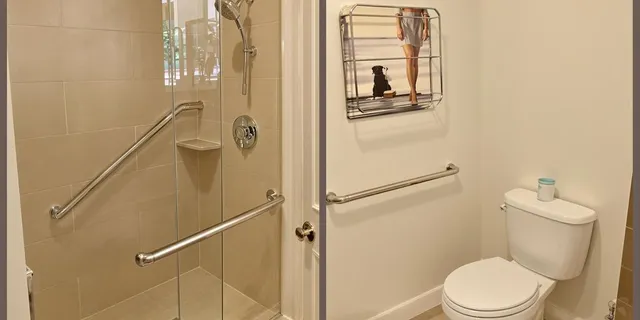
- Bathrooms: Add grab bars, non-slip mats, and accessible fixtures.
- Kitchens: Keep frequently used items within reach and check for fire hazards.
- Bedrooms: Place nightlights and keep pathways clear for nighttime safety.
For more inspiration on accessible design, see accessible bathroom design inspiration for practical ideas that blend safety with comfort.
Fall Prevention Strategies
Falls are a primary concern in senior home safety. Implementing the following measures can significantly reduce the risk:
- Install grab bars in bathrooms and near stairs. For guidance on placement, check out useful tips on where to install grab bars in your home.
- Use non-slip mats in the bathroom and kitchen.
- Ensure all areas are well-lit, especially hallways and staircases.
- Keep floors clear of cords, clutter, and loose rugs.
- Arrange furniture to allow for wide, unobstructed pathways.
Bathroom Safety Solutions for Seniors
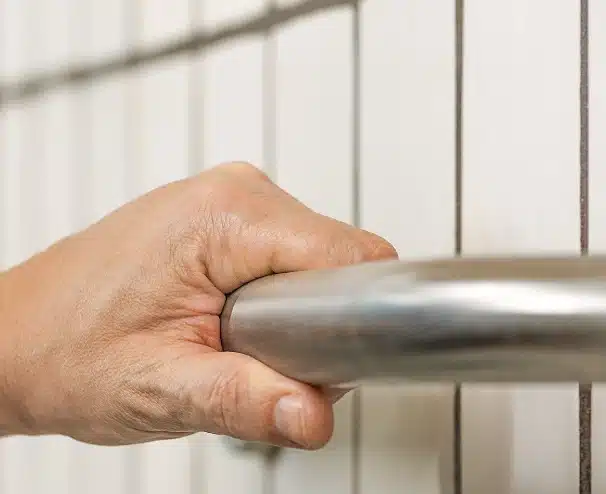
The bathroom is one of the most hazardous rooms for older adults due to slippery surfaces and tight spaces. Enhancing home safety awareness for seniors in this area is especially important. Consider these upgrades:
- Install grab bars near the toilet and in the shower or bathtub.
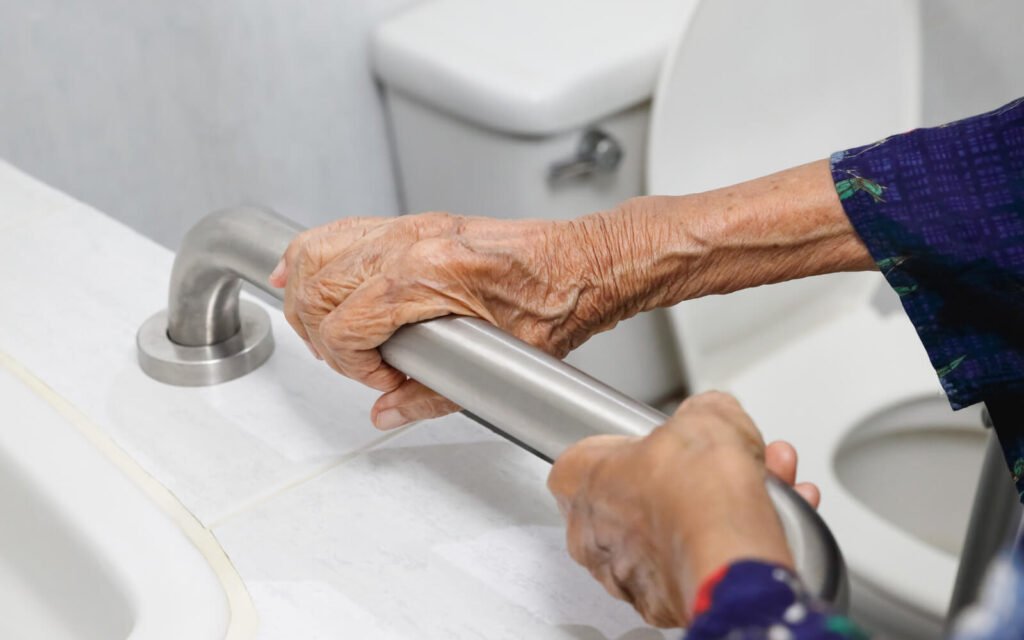
- Use a raised toilet seat or toilet safety rails for easier transfers.
- Place non-slip mats inside and outside the tub or shower.
- Ensure the bathroom is well-lit and free from clutter.
- Consider a walk-in tub or shower for easier access.
For more tailored advice, explore bathroom safety features every senior should consider to discover additional modifications that can make a big impact.
Additional Tips for a Safer Home Environment
Beyond bathrooms and fall prevention, there are other key steps to enhance safety for older adults:
- Fire Safety: Install smoke detectors in every room and test them regularly. Keep fire extinguishers accessible and ensure all exits are clear.
- Medication Management: Use pill organizers and set reminders to prevent missed or double doses.
- Emergency Preparedness: Keep a list of emergency contacts by the phone and consider a medical alert system.
- Technology: Smart home devices, such as voice-activated assistants and automated lighting, can add convenience and security.
For families living together, bathroom safety solutions for multigenerational homes provide useful ideas for creating spaces that work for everyone.
Encouraging Independence Through Home Modifications
Empowering seniors to remain independent is a key benefit of proactive safety planning. Simple modifications, such as installing lever-style door handles, lowering shelves, and using contrasting colors to define steps or edges, can make daily life easier and safer. Regularly reviewing the home for new risks and updating safety features as needed is also important.
For those considering more extensive renovations, bathroom accessibility upgrades that make a difference highlights impactful changes that support aging in place.
Frequently Asked Questions
What are the most common hazards for seniors at home?
The most frequent dangers include falls from slippery floors or stairs, burns from hot water or cooking, poor lighting, and cluttered walkways. Addressing these risks through home modifications and regular maintenance is crucial for senior safety.
How can I make the bathroom safer for an older adult?
Install grab bars, use non-slip mats, add a raised toilet seat or safety rails, and ensure the bathroom is well-lit. Consider walk-in tubs or showers for easier access and keep the space free of clutter.
Are there affordable ways to improve home safety for seniors?
Yes, many safety improvements are low-cost, such as securing rugs, adding nightlights, and installing grab bars. Regularly checking for hazards and making small adjustments can have a big impact on overall safety.
How often should a home safety assessment be done?
It’s recommended to review the home at least once a year or after any significant health changes. Regular assessments help identify new risks and ensure that safety features remain effective.