
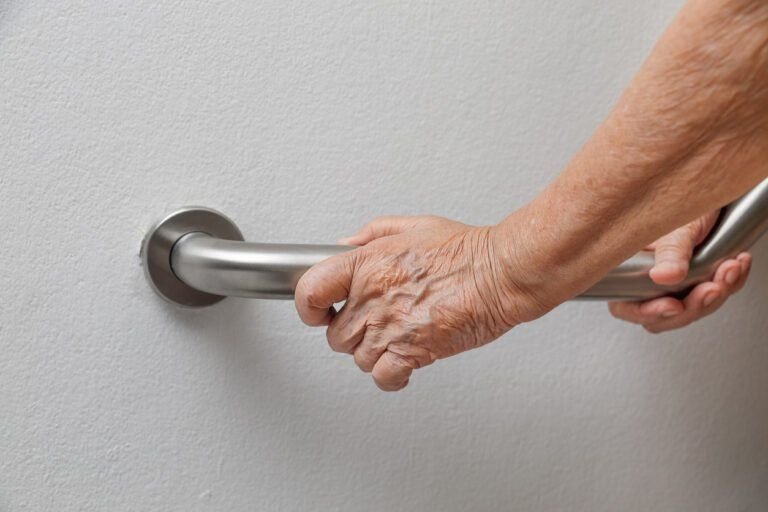
Creating a safe and accessible home environment is essential for anyone wishing to maintain autonomy as they age or manage mobility challenges. Home adaptations that support independent living are practical modifications designed to make daily life easier, safer, and more comfortable. These changes can range from simple adjustments, like installing grab bars, to more comprehensive renovations, such as modifying bathrooms and entrances. By making thoughtful improvements, individuals can remain in their homes longer, reduce the risk of injury, and enjoy greater confidence in their day-to-day routines.
For those beginning this journey, it’s helpful to consult resources like the aging in place home improvement checklist, which outlines essential steps and considerations for adapting a living space. Early planning and targeted upgrades can make a significant difference in quality of life and peace of mind.
Why Home Modifications Matter for Independent Living
As people age or experience changes in mobility, the risk of falls and accidents at home increases. Simple tasks, such as bathing, cooking, or navigating stairs, can become challenging. Home adaptations that support independent living address these challenges by removing barriers and enhancing safety. These improvements not only help prevent injuries but also foster a sense of independence and dignity.
Many families are turning to solutions like bathroom safety solutions for multigenerational homes to ensure that everyone, regardless of age or ability, can use the space comfortably. By focusing on accessibility, households can accommodate changing needs over time.
Key Areas for Home Adaptations
When considering upgrades, it’s important to prioritize areas where accidents are most likely to occur. The following sections highlight some of the most impactful modifications for supporting independence at home.
Bathroom Safety and Accessibility
The bathroom is one of the most common places for slips and falls. Installing grab bars, non-slip flooring, and accessible showers or tubs can make a significant difference. Grab bars provide stability when entering or exiting the shower and getting on or off the toilet. Non-slip mats and flooring reduce the risk of falls, while walk-in showers or tubs eliminate the need to step over high edges.
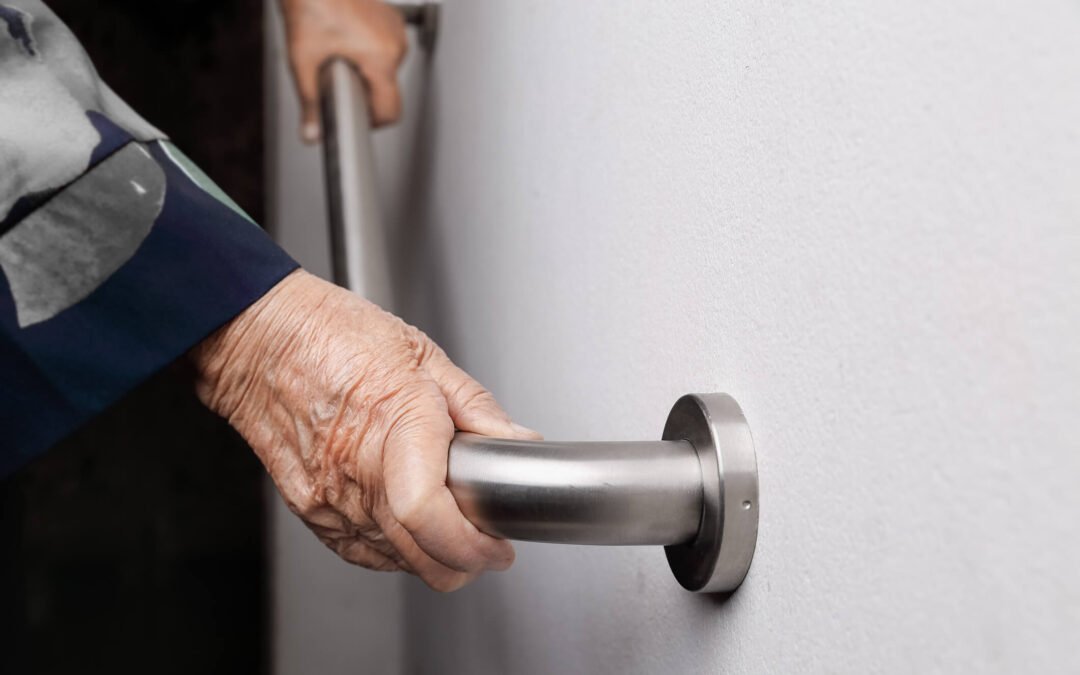
For more inspiration and practical ideas, the article on accessible bathroom design inspiration offers a range of solutions tailored to different needs and budgets.
Entryways and Doorways: Improving Access
Getting in and out of the home should be as easy as possible. Widening doorways to accommodate mobility aids, installing ramps, and ensuring that thresholds are level can make a home accessible for everyone. Lever-style door handles are easier to operate than traditional knobs, especially for those with limited hand strength.
Lighting is another critical factor. Well-lit entryways and hallways reduce the risk of tripping and make navigation easier, especially at night. Motion-activated lights and illuminated switches are simple yet effective upgrades.
Kitchen Modifications for Independence
The kitchen is the heart of the home, but it can also present challenges. Lowering countertops and cabinets, installing pull-out shelves, and using appliances with easy-to-read controls can help maintain independence. Anti-scald devices on faucets and stoves with safety shut-offs add an extra layer of protection.
For those who spend significant time cooking, consider adjustable-height workspaces and seated prep areas. These adaptations allow individuals to work comfortably, whether standing or sitting.
Essential Safety Features for Every Room
Beyond the bathroom and kitchen, there are universal modifications that benefit all areas of the house. Here are some of the most effective:
- Grab bars and handrails: Install in hallways, staircases, and near beds for added stability.
- Non-slip flooring: Replace rugs and mats with slip-resistant surfaces to prevent falls.
- Clear pathways: Remove clutter and ensure walkways are wide enough for mobility aids.
- Smart home technology: Voice-activated lights, thermostats, and security systems offer convenience and safety.
- Accessible switches and outlets: Position at reachable heights to minimize bending or stretching.
For more detailed guidance, the post on bathroom accessibility upgrades that make a difference provides actionable tips for making high-impact changes.
Choosing and Installing Grab Bars: What to Know
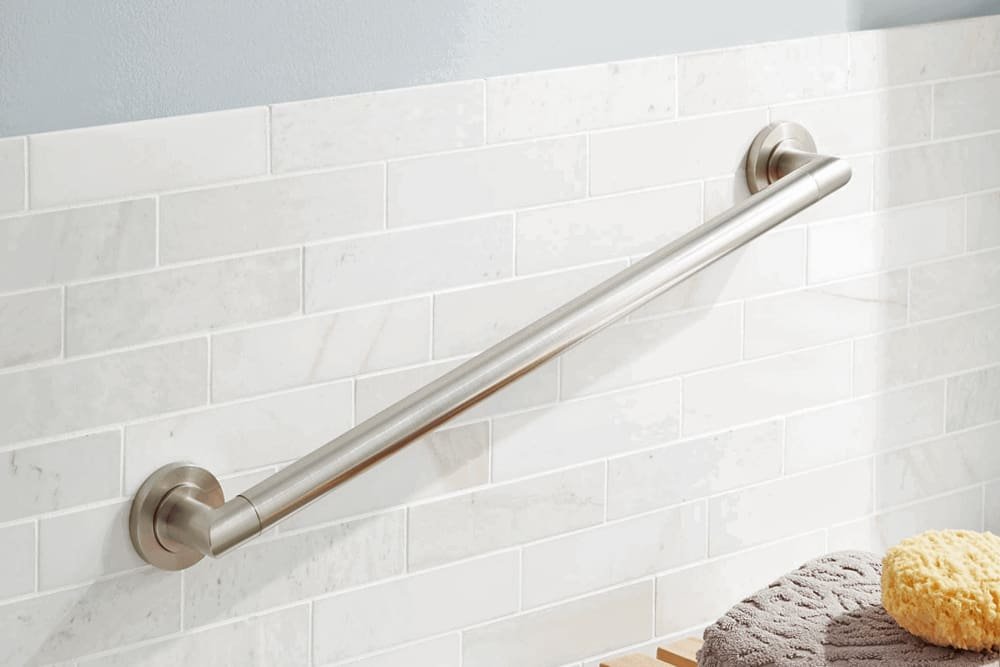
Grab bars are among the most effective home adaptations that support independent living. When selecting grab bars, consider the size, placement, and weight capacity. Bars should be installed in locations where support is most needed, such as beside toilets, inside showers, and along staircases.
For a comprehensive overview of options and best practices, see this guide to grab bars for seniors. Professional installation is recommended to ensure safety and reliability, but there are also secure, easy-to-install models available for DIYers.
Planning for Future Needs
It’s wise to anticipate future changes in mobility or health when making home improvements. Even if certain adaptations aren’t needed immediately, planning ahead can save time and money down the road. Features like reinforced walls for future grab bar installation, adjustable-height counters, and wide doorways can be incorporated during routine renovations.
Consulting with occupational therapists or certified aging-in-place specialists can provide valuable insights into which modifications will be most beneficial for your unique situation. Their expertise ensures that upgrades are both functional and tailored to individual needs.
Cost Considerations and Funding Resources
The cost of home adaptations that support independent living varies widely depending on the scope of work. Simple upgrades like grab bars or lever handles are relatively affordable, while larger projects such as bathroom remodels or ramp installations require a bigger investment. Some insurance plans, government programs, and local nonprofits offer financial assistance for accessibility improvements.
Before starting any project, research available grants and funding options in your area. Many organizations provide support for seniors and people with disabilities seeking to make their homes safer and more accessible.
Maintaining Safety Over Time
Once modifications are in place, regular maintenance is essential. Check grab bars and railings periodically to ensure they remain secure. Keep pathways clear, replace worn-out flooring, and update lighting as needed. Staying proactive helps maintain a safe and comfortable environment for years to come.
For further reading on essential features, the resource on bathroom safety features every senior should consider covers important upgrades that can be applied throughout the home.
Frequently Asked Questions
What are the most important home adaptations for independent living?
Key modifications include installing grab bars in bathrooms, adding ramps or stairlifts, improving lighting, widening doorways, and using non-slip flooring. These changes address common safety concerns and make daily activities easier for individuals with mobility challenges.
How do I choose the right grab bars for my home?
Consider the location, size, and weight capacity of the grab bars. Choose models that are easy to grip and install them in areas where support is most needed, such as near toilets and showers. For more detailed advice, consult a professional or refer to a comprehensive guide to grab bars for seniors.
Are there financial assistance programs for home modifications?
Yes, many local and national programs offer grants or low-interest loans for accessibility improvements. Check with government agencies, nonprofits, and insurance providers to explore available options in your area.