
Creating supportive living environments for seniors is essential for promoting independence, safety, and comfort as people age in place. Many older adults prefer to remain in their own homes, but this requires thoughtful modifications and planning to address evolving needs. By making targeted improvements, families can help loved ones maintain their dignity and autonomy while reducing the risk of accidents and injuries.
From accessible bathrooms to enhanced lighting and mobility aids, there are numerous ways to adapt a home for aging residents. This article explores practical strategies, essential features, and trusted resources to help you design a safer, more accommodating space for older adults. For a comprehensive overview of home modifications, the aging in place home improvement checklist is a valuable starting point.
Why Home Modifications Matter for Senior Wellbeing
As individuals grow older, mobility, vision, and balance can change, making daily activities more challenging. Falls are a leading cause of injury among seniors, often occurring in familiar spaces like bathrooms or hallways. By proactively adapting living areas, families can significantly reduce hazards and foster a sense of security.
Key benefits of a well-designed home for older adults include:
- Increased independence for daily routines
- Reduced risk of falls and injuries
- Improved confidence and mental wellbeing
- Enhanced accessibility for visitors and caregivers
These improvements not only support seniors but also provide peace of mind for family members and caregivers.
Essential Features of Supportive Living Spaces
Designing supportive living environments for seniors involves more than just adding a few grab bars. It requires a holistic approach that considers every aspect of daily life. Here are some of the most impactful modifications:
Bathroom Safety and Accessibility
The bathroom is one of the most common locations for slips and falls. Installing sturdy grab bars, non-slip flooring, and accessible showers can make a significant difference. For inspiration and practical solutions, consider exploring bathroom safety solutions for multigenerational homes and bathroom accessibility upgrades that make a difference.

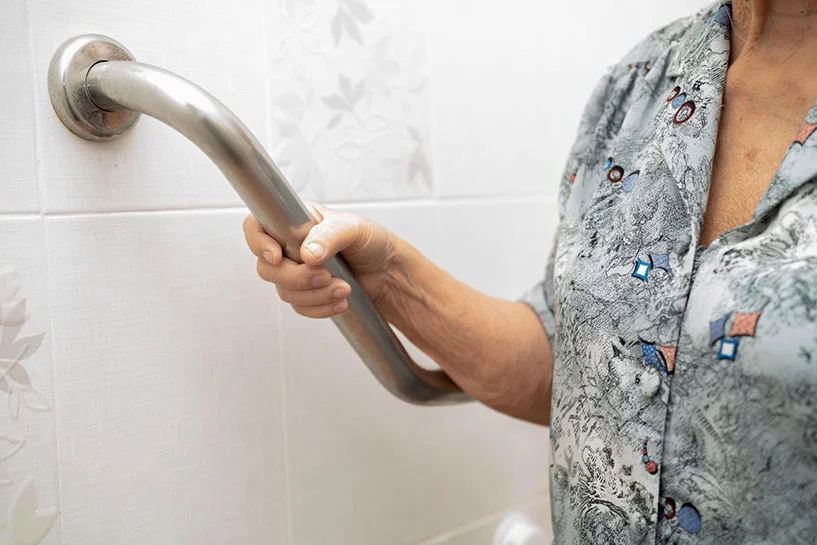
Grab bars near toilets and showers provide crucial support. According to this resource on grab bar safety for seniors, these simple devices can prevent many common accidents. Toilet safety rails and raised toilet seats also make bathroom visits safer and more comfortable.
Lighting and Visibility Enhancements
Poor lighting can increase the risk of trips and falls. Upgrading to brighter, energy-efficient bulbs, adding nightlights in hallways, and installing motion-sensor lights in key areas help seniors navigate safely at any hour. Contrasting colors on steps and thresholds further improve depth perception and orientation.
Mobility and Accessibility Improvements
Wider doorways, lever-style handles, and ramps make it easier for those with walkers or wheelchairs to move freely. Removing clutter and securing rugs can prevent tripping hazards. For more ideas, see accessible bathroom design inspiration for your home.
Personalizing Supportive Spaces for Comfort and Dignity
While safety is paramount, it’s equally important that homes feel welcoming and familiar. Personal touches—such as cherished photos, favorite chairs, and familiar décor—help seniors feel at ease. Adjustable beds, easy-to-reach storage, and comfortable seating can further enhance daily comfort.
Encouraging independence is key. Place frequently used items within easy reach, use open shelving, and consider voice-activated assistants for reminders and communication. These small changes can make a big difference in maintaining a sense of control and dignity.
Planning and Implementing Modifications
Start by assessing the current home environment. Walk through each room and identify potential hazards or barriers. Involve the senior in decision-making to ensure their preferences and routines are respected. Consulting with occupational therapists or home modification specialists can provide valuable insights and recommendations.
For a detailed approach to bathroom upgrades, the article on bathroom safety features every senior should consider offers practical tips and product suggestions.
- Prioritize high-risk areas like bathrooms, stairs, and entryways
- Set a budget and timeline for modifications
- Choose products and solutions that are easy to maintain
- Review and update changes as needs evolve
Resources and Support for Families
Many organizations and local agencies offer guidance and financial assistance for home modifications. Research grants, tax credits, and community programs that support aging in place. Connecting with support groups and online forums can also provide encouragement and practical advice from others who have navigated similar journeys.
For more comprehensive ideas, the aging in place home improvement checklist is an excellent resource to ensure no detail is overlooked.
Frequently Asked Questions
What are the most important home modifications for seniors?
The most impactful changes include installing grab bars in bathrooms, improving lighting throughout the house, removing tripping hazards, and making doorways and pathways accessible for mobility aids. These adjustments address the most common risks and support daily independence.
How can I make a bathroom safer for an older adult?
Focus on adding non-slip mats, grab bars near the toilet and shower, raised toilet seats, and easy-to-reach storage. Consider walk-in showers or tubs for easier access. For more ideas, check out bathroom safety features every senior should consider.
Where can I find financial help for home modifications?
Local government programs, nonprofits, and some insurance plans may offer grants or low-interest loans for accessibility improvements. Research community resources and consult with local agencies specializing in senior services for guidance.
Conclusion
Designing a home that supports aging in place requires careful planning, practical upgrades, and a focus on both safety and comfort. By implementing supportive living environments for seniors, families can help loved ones remain independent and secure in familiar surroundings. Regularly reviewing and updating the home as needs change ensures that seniors can continue to thrive at home for years to come.