
As people age, maintaining a safe and comfortable home becomes increasingly important. However, the costs and physical demands of repairs or modifications can be overwhelming for older adults. Home repair assistance for seniors is available through a range of grants, programs, and community resources designed to help older adults stay independent and safe in their own homes. This article explores the main options, eligibility requirements, and steps to access these valuable resources.
Many seniors face challenges such as limited mobility, fixed incomes, or health issues that make home maintenance difficult. Fortunately, there are both national and local initiatives offering financial help, skilled labor, and advice. Whether you need minor repairs, accessibility upgrades, or emergency fixes, understanding your options can make a significant difference in your quality of life.
For those interested in making their bathrooms safer, you might also find our guide on walk-in shower non-porous surface benefits helpful for easy cleaning and maintenance.
Types of Home Repair Support for Older Adults
There are several forms of home repair assistance for seniors, ranging from government-funded grants to nonprofit volunteer programs. These resources can help with:
- Accessibility modifications (ramps, grab bars, walk-in tubs)
- Critical repairs (roof leaks, plumbing, electrical)
- Weatherization and energy efficiency improvements
- General maintenance and safety upgrades
Federal and State Grant Programs
Many seniors qualify for government grants or low-interest loans to improve their homes. The most widely used programs include:
- USDA Single Family Housing Repair Loans & Grants (Section 504): Offers grants up to $10,000 for very low-income homeowners aged 62 or older to remove health and safety hazards.
- HUD Home Improvement Programs: The Department of Housing and Urban Development provides resources for home modifications and repairs, often through local agencies.
- State and Local Programs: Many states and municipalities have their own initiatives to help seniors with home repairs, especially for accessibility improvements.
Nonprofit and Community Organization Help
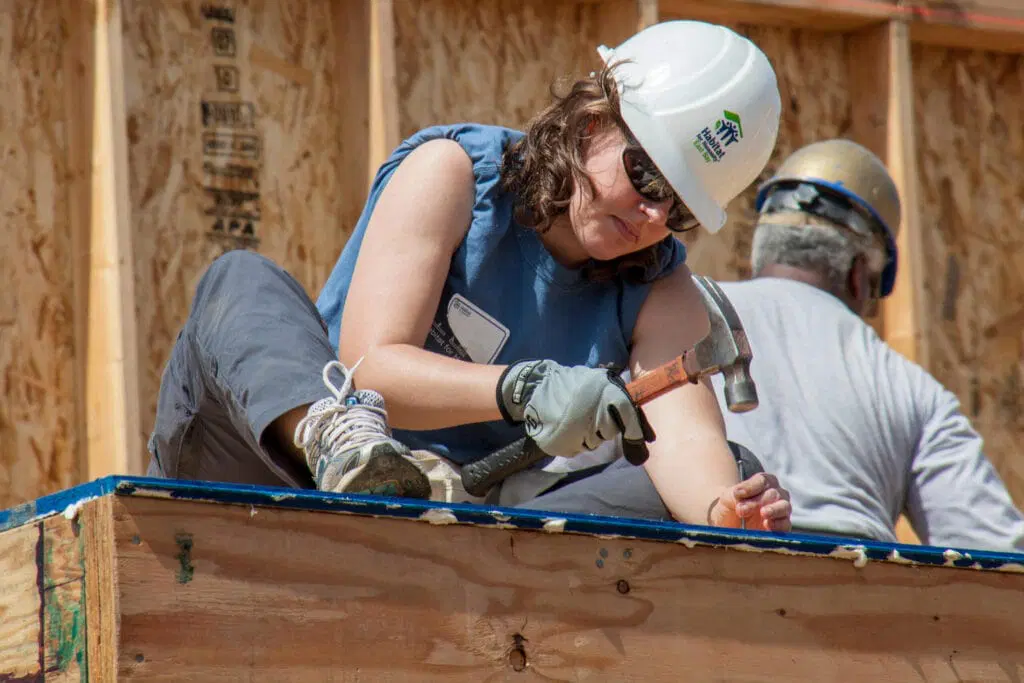
Nonprofits such as Rebuilding Together, Habitat for Humanity, and local aging agencies often provide free or low-cost repairs for eligible seniors. For example, Habitat for Humanity’s Aging in Place program helps older adults remain safe and independent by offering home modifications and repairs tailored to their needs.
Who Qualifies for Senior Home Repair Programs?
Eligibility for home repair assistance for seniors depends on several factors, including age, income, homeownership status, and the type of repair needed. Common requirements include:
- Being 60 or older (some programs start at 62 or 65)
- Owning and living in the home as a primary residence
- Meeting low- or moderate-income guidelines
- Needing repairs that address health, safety, or accessibility
Some programs prioritize veterans, individuals with disabilities, or those living in rural areas. It’s important to check the specific criteria for each program and gather necessary documentation, such as proof of income, age, and homeownership.
How to Apply for Home Repair Grants and Aid
Applying for assistance typically involves several steps:
- Research available programs in your area (start with local agencies on aging, community action agencies, and housing authorities).
- Gather required documents (ID, proof of income, homeownership papers, and details about the needed repairs).
- Complete the application forms, either online or in person.
- Schedule a home assessment if required. Many organizations will send someone to evaluate the necessary repairs.
- Wait for approval and schedule the work. Some programs have waiting lists, so apply as early as possible.
For those considering bathroom safety upgrades, learning about walk-in tub foot massage jet benefits can help you choose the right features for comfort and health.
Popular Repairs and Modifications Covered
Most home repair assistance for seniors programs focus on essential repairs that improve safety, accessibility, and energy efficiency. Common projects include:
- Installing ramps, handrails, and grab bars
- Widening doorways for wheelchair access
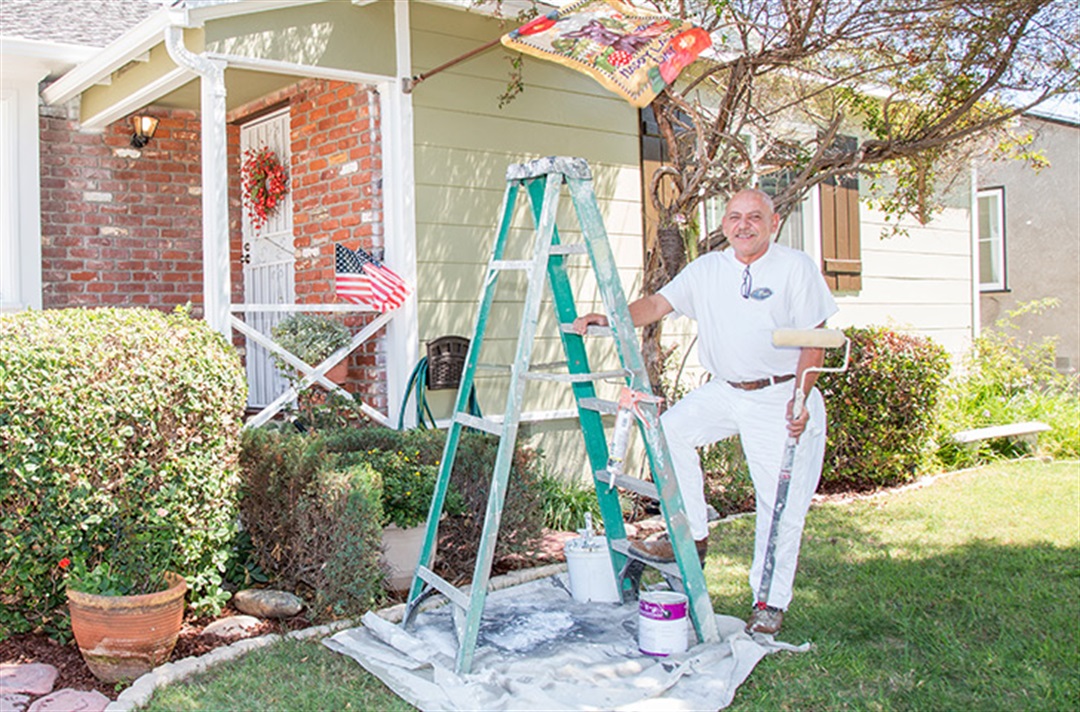
- Repairing roofs, windows, and doors
- Upgrading electrical and plumbing systems
- Bathroom modifications, such as adding walk-in tubs or showers
- Fixing heating and cooling systems
- Weatherproofing and insulation improvements
For ongoing bathroom maintenance, see our article on benefits of microfiber towels for walk-in showers to keep surfaces clean and safe.
Tips for Maximizing Your Home Repair Benefits
- Apply early: Many programs have limited funding and long waiting lists.
- Contact multiple organizations: You may qualify for help from more than one source.
- Document everything: Keep records of your application, correspondence, and receipts.
- Prioritize safety: Focus on repairs that prevent falls, improve accessibility, and address urgent hazards.
- Ask about additional services: Some agencies offer free home assessments, energy audits, or referrals to other resources.
If you have concerns about safety features in your bathroom, our guide on walk-in tub suction safety features explains how modern tubs prevent entrapment and increase peace of mind.
Frequently Asked Questions
What types of repairs are usually covered by senior assistance programs?
Most programs focus on essential repairs that address health and safety, such as fixing roofs, plumbing, electrical systems, installing ramps or grab bars, and making bathrooms more accessible. Cosmetic upgrades are generally not covered.
Can renters get help with home repairs?
Most grants and programs are designed for homeowners. However, some local agencies may offer resources or advocate for accessibility modifications in rental properties, especially if the senior has a disability. It’s best to check with your local housing authority or aging agency.
How long does it take to get approved for home repair assistance?
Approval times vary widely depending on the program and demand. Some emergency repairs may be addressed quickly, while others can take several weeks or even months. Applying early and providing all required documentation can help speed up the process.
Conclusion
Accessing home repair assistance for seniors can make a significant difference in maintaining independence and safety at home. By exploring federal, state, and local resources, as well as nonprofit programs, older adults can find the support they need for critical repairs and modifications. Take time to research your options, gather necessary documents, and reach out to local agencies for guidance. With the right help, aging in place becomes a safer and more comfortable reality.