
Making a home safer and more comfortable for older adults is an important step toward maintaining independence and quality of life. As people age, their needs and abilities change, and the right aging in place home improvements can help reduce risks and support daily living. This guide provides a comprehensive checklist for updating your home, covering essential upgrades, practical tips, and resources to help you or your loved ones remain secure and confident at home.
Before diving into specific recommendations, it’s helpful to understand that even small changes—like improved lighting or non-slip surfaces—can make a significant difference. For those considering more advanced solutions, such as walk-in tubs or accessible showers, learning about how to troubleshoot walk-in tub jet noise or the walk-in tub foot massage jet benefits can be valuable for ongoing maintenance and comfort.
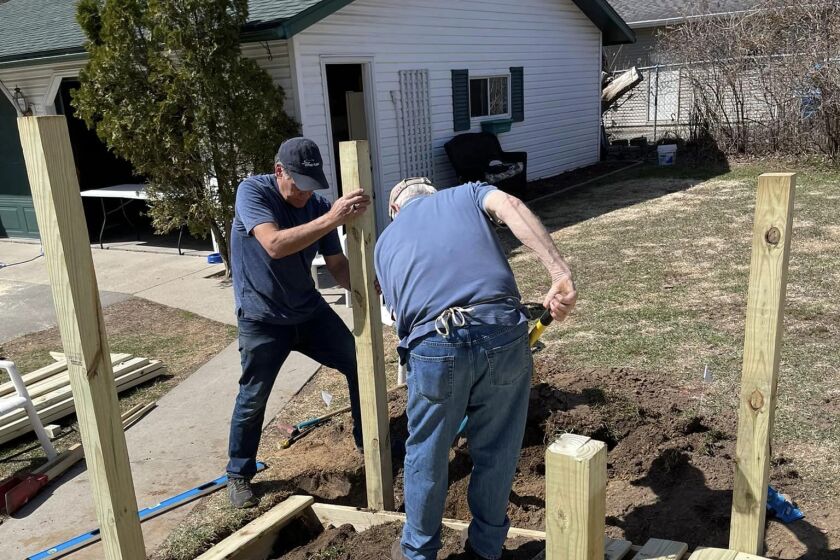
Why Consider Home Modifications for Aging in Place?
Staying in a familiar environment can provide emotional comfort and stability for seniors. However, traditional homes often have barriers that make daily activities more challenging as mobility, vision, or strength change with age. By proactively addressing these issues, families can reduce the risk of falls, improve accessibility, and support independent living for longer.
Home modifications range from simple adjustments to more significant renovations. The right combination depends on individual needs, budget, and the structure of the home. It’s important to assess each area of the house and prioritize changes that offer the greatest benefit for safety and convenience.
Essential Entryway and Exterior Upgrades
Safe and accessible entryways are a foundation of aging in place home improvements. Focus on minimizing steps, improving lighting, and ensuring that walkways are clear and stable.
- Install Ramps or Threshold Ramps: Replace steps with gentle ramps or add threshold ramps at doorways to accommodate walkers or wheelchairs.
- Widen Doorways: Consider widening entry doors to at least 36 inches for easier access.
- Non-Slip Surfaces: Apply non-slip coatings to outdoor steps and walkways to prevent falls.
- Motion-Activated Lighting: Add bright, motion-sensor lights at all entrances and along pathways.
- Lever-Style Door Handles: Replace round knobs with lever handles for easier operation.
Improving Bathroom Safety and Accessibility
The bathroom is a common site for slips and falls, making it a top priority for upgrades. Focus on features that enhance stability and accessibility.
- Walk-In Bathtubs and Showers: Install a walk-in tub or a curbless shower to reduce tripping hazards. For ongoing care, explore the walk-in tub suction safety features to prevent entrapment.
- Grab Bars: Securely mount grab bars near the toilet, shower, and bathtub for support.
- Non-Slip Mats and Flooring: Use non-slip mats inside and outside the shower or tub. Consider slip-resistant flooring for the entire bathroom.
- Raised Toilet Seats: Add a raised seat or install a comfort-height toilet for easier use.
- Handheld Showerheads: Provide flexibility and ease of use for those with limited mobility.
- Accessible Storage: Lower shelves and install pull-out drawers for easy access to toiletries and towels.
Kitchen Modifications for Safer Meal Preparation
The kitchen is another area where thoughtful changes can make daily routines safer and more manageable. Consider these updates:
- Lower Countertops and Sinks: Adjust counter and sink heights to accommodate seated users or wheelchairs.
- Pull-Out Shelves and Lazy Susans: Make cabinets and pantry items more accessible with pull-out shelves and rotating trays.
- Anti-Scald Devices: Install anti-scald valves on faucets to prevent burns.
- Easy-Grip Handles: Replace cabinet and drawer handles with larger, easy-to-grip options.
- Improved Lighting: Add under-cabinet lighting and brighter bulbs for better visibility.
Living Room and Bedroom Adjustments
Comfort and safety in living and sleeping areas are essential for aging adults. Focus on reducing clutter, improving lighting, and making furniture more accessible.
- Remove Tripping Hazards: Eliminate loose rugs, cords, and unnecessary furniture.
- Adjustable Beds: Consider adjustable beds for easier entry, exit, and comfort.
- Recliners with Lift Assistance: Provide chairs that help users stand up safely.
- Bedside Lighting: Install touch lamps or motion-activated lights for nighttime safety.
- Accessible Storage: Lower closet rods and use organizers to keep essentials within reach.
Whole-Home Improvements for Aging in Place
Some upgrades benefit the entire home and can be especially important for those with mobility or sensory challenges. These include:
- Wider Hallways: Widen hallways to at least 36 inches for easier navigation.
- Smart Home Technology: Use voice-activated assistants, smart thermostats, and security systems for convenience and safety.
- Stair Lifts or Home Elevators: Install stair lifts or small residential elevators for multi-level homes.
- Improved Lighting: Ensure every room and hallway is well-lit, using LED bulbs for energy efficiency.
- Non-Slip Flooring: Choose slip-resistant flooring throughout the home, especially in high-traffic areas.
Cleaning and Maintenance Tips for Senior-Friendly Homes
Maintaining a safe and healthy environment is just as important as making physical upgrades. Use tools and materials that simplify cleaning and reduce strain. For instance, the benefits of microfiber towels for walk-in showers include easier cleaning and less risk of slips from excess water. Non-porous surfaces, as discussed in walk-in shower non-porous surface benefits, can also help keep bathrooms cleaner with less effort.
- Use Lightweight Cleaning Tools: Choose ergonomic, lightweight mops and vacuums.
- Organize Supplies: Store cleaning products at waist height to avoid bending or reaching.
- Schedule Regular Maintenance: Set reminders for changing filters, checking batteries in smoke detectors, and inspecting grab bars or railings.
Resources for Funding and Support
Many seniors and their families worry about the cost of home modifications. Fortunately, there are programs and resources available to help offset expenses. For a detailed overview, visit seven sources of home repair assistance for seniors. These may include government grants, nonprofit organizations, and local agencies that specialize in supporting aging adults.
Frequently Asked Questions
What are the most important home improvements for seniors living independently?
The most impactful changes typically include installing grab bars in bathrooms, adding ramps or stair lifts, improving lighting, and using non-slip flooring. These upgrades address common hazards and make daily activities safer and more manageable.
How can I make my bathroom safer for an older adult?
Focus on reducing slip and fall risks by using non-slip mats, installing a walk-in tub or shower, adding grab bars, and ensuring good lighting. Raised toilet seats and handheld showerheads also improve accessibility and comfort.
Are there financial assistance programs for home modifications?
Yes, several programs offer grants or low-interest loans for seniors making home safety improvements. Local agencies, nonprofits, and some government programs provide resources—see the section above for a link to detailed funding options.
Conclusion
Proactive aging in place home improvements can make a significant difference in safety, comfort, and independence for older adults. By following this checklist and prioritizing upgrades based on individual needs, families can create a supportive environment that allows loved ones to remain at home with confidence. Regular maintenance, thoughtful design, and the use of available resources all contribute to a home that is both welcoming and secure for years to come.