
Outdoor spaces with slopes, steps, or irregular ground present unique challenges when it comes to effective illumination. Choosing the right lighting for uneven terrain is essential for both safety and aesthetics. Whether you’re lighting a garden path, hillside, or multi-level patio, the right approach can prevent accidents, highlight landscaping features, and create a welcoming atmosphere after dark.
In this guide, we’ll explore practical strategies, fixture types, and installation tips to help you confidently light outdoor areas with challenging surfaces. If you’re also interested in home safety upgrades, you may find value in learning about how to check walk-in tub electrical grounding for additional peace of mind indoors.
Why Proper Lighting Matters on Irregular Surfaces
Sloped yards, rocky walkways, and multi-level decks can be hazardous in low light. Without adequate illumination, tripping hazards and obstacles may go unnoticed. Well-planned outdoor lighting for uneven terrain not only enhances safety but also brings out the best in your landscaping and architecture.
- Safety: Reduces risk of falls and injuries by making elevation changes and obstacles visible.
- Security: Deters trespassers by eliminating dark hiding spots.
- Ambiance: Highlights unique features, textures, and plants, creating a visually appealing space.
Types of Fixtures Ideal for Challenging Landscapes
Not all outdoor lights are created equal. When dealing with slopes, stairs, or uneven ground, certain fixtures are better suited to the task. Here are some popular options:
Pathway and Step Lights
Path lights are designed to illuminate walkways and garden trails. For areas with steps or abrupt elevation changes, step lights mounted directly into risers or walls can provide targeted visibility. These fixtures help guide foot traffic safely through the landscape.

Spotlights and Floodlights
Spotlights can be aimed to highlight specific features such as trees, boulders, or architectural elements. Floodlights provide broader coverage and are useful for illuminating larger areas, especially where the terrain dips or rises sharply. Adjustable heads allow you to direct the beam exactly where it’s needed.
Recessed and In-Ground Lights
For sloped driveways or patios, recessed lights installed flush with the surface offer durability and a clean look. These fixtures are less likely to be tripped over or damaged by foot traffic and lawn equipment. In-ground lights can also be used to mark the edges of paths or accentuate changes in elevation.
Planning Your Lighting Layout for Sloped and Uneven Areas
Effective lighting for uneven terrain starts with a thoughtful plan. Consider these steps before installation:
- Assess the Area: Walk the space at night to identify dark spots, tripping hazards, and key features you want to highlight.
- Map Out Fixtures: Sketch a basic layout, noting where steps, slopes, and obstacles are located. Place lights to illuminate these areas without causing glare.
- Choose the Right Technology: LED fixtures are energy-efficient and long-lasting. Motion sensors can add convenience and save power by activating lights only when needed.
- Consider Power Sources: Low-voltage systems are safer for outdoor use and easier to install on uneven ground. Solar-powered lights are another option for areas without easy access to electricity.
Installation Tips for Outdoor Lighting on Challenging Terrain
Proper installation is crucial for both performance and longevity. Here are some practical tips:
- Secure Fixtures Firmly: Use sturdy stakes, mounting brackets, or concrete bases to keep lights stable on sloped or rocky ground.
- Mind the Wiring: Bury cables at the recommended depth and use weatherproof connectors. For steep slopes, secure wiring with landscape staples to prevent shifting.
- Test Before Finalizing: Temporarily place fixtures and test at night to ensure even coverage and avoid unwanted shadows or glare.
- Maintain Accessibility: Position lights where they can be easily accessed for cleaning and bulb replacement, but out of the main footpath to prevent damage.
Highlighting Features and Creating Ambiance
Beyond safety, outdoor lighting can transform the look and feel of your yard. Use uplighting to accentuate trees or architectural details, or add subtle downlighting for a moonlit effect. Layering different types of lights—such as path, spot, and ambient—creates depth and visual interest.
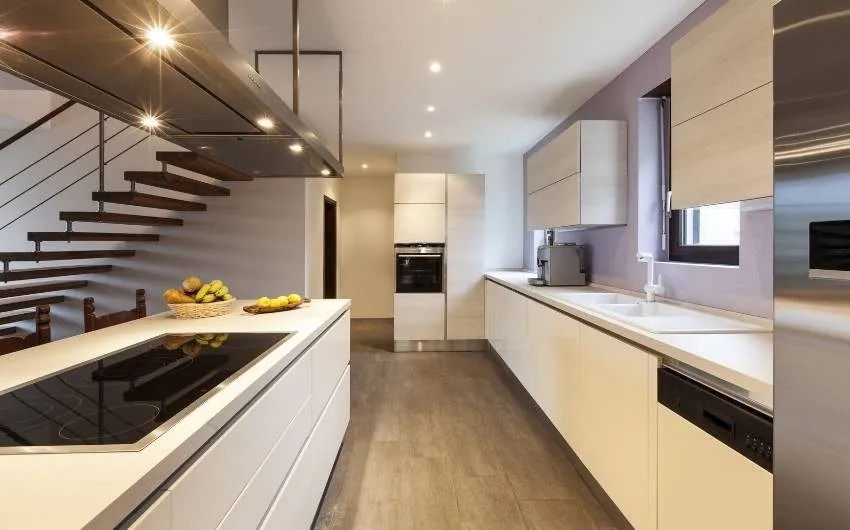
For more inspiration on lighting techniques and fixture selection, you can refer to this comprehensive lighting basics guide that covers the essentials for both indoor and outdoor spaces.
Maintenance and Safety Considerations
Outdoor lighting systems require periodic maintenance, especially in areas with shifting soil or heavy foot traffic. Check fixtures regularly to ensure they remain level and functional. Clean lenses and replace bulbs as needed to maintain optimal brightness. If you notice flickering or outages, inspect wiring for signs of wear or water intrusion.
Always follow manufacturer guidelines for installation and use weather-resistant products rated for outdoor environments. For additional tips on maintaining safe and functional home features, you might be interested in the benefits of microfiber towels for walk-in showers to keep your bathroom surfaces in top shape.
Frequently Asked Questions
What is the best type of lighting for sloped walkways?
Pathway and step lights are ideal for sloped walkways. They provide focused illumination along the ground and highlight elevation changes, reducing the risk of trips and falls. For added coverage, consider combining these with low-profile spotlights or in-ground fixtures.
How can I power outdoor lights on uneven ground?
Low-voltage lighting systems are a safe and flexible choice for outdoor spaces with uneven terrain. They are easier to install and adjust than traditional high-voltage systems. Solar-powered lights are also effective in areas with ample sunlight and limited access to electrical outlets.
How do I prevent glare and light pollution in my yard?
Choose fixtures with shields or directional heads to focus light where it’s needed and avoid shining into windows or neighboring properties. Position lights at lower angles and use warm color temperatures for a softer, more natural effect. Testing your layout at night before final installation helps minimize unwanted glare.
Conclusion
Successfully illuminating outdoor spaces with irregular surfaces requires careful planning and the right combination of fixtures. By prioritizing safety, selecting appropriate technologies, and maintaining your system, you can enjoy a beautiful and secure landscape year-round. Thoughtful lighting for uneven terrain not only prevents accidents but also enhances the unique character of your property.