As energy costs rise and weather patterns become more unpredictable, ensuring that older adults live in safe, comfortable, and energy-efficient homes is more important than ever. Weatherization programs for senior homes offer practical solutions to help older residents reduce utility bills, improve home comfort, and maintain independence. These initiatives provide essential upgrades—like insulation, air sealing, and heating system repairs—that can make a significant difference, especially for those on fixed incomes.
Understanding the available resources and how to access them can be a challenge. This article breaks down the essentials of weatherization support for seniors, including eligibility, benefits, and the steps involved. If you’re interested in related safety topics, you may also want to learn about how to check walk-in tub electrical grounding for added peace of mind in the home.

Understanding Weatherization Assistance for Older Adults
Weatherization services for seniors are designed to address the unique needs of aging homeowners. These programs, often funded by federal, state, or local agencies, focus on improving a home’s energy efficiency and safety. The most common upgrades include:
- Adding or replacing insulation in attics, walls, and floors
- Sealing air leaks around windows, doors, and ductwork
- Repairing or replacing inefficient heating and cooling systems
- Installing energy-saving devices like programmable thermostats and LED lighting
- Addressing minor health and safety issues, such as carbon monoxide risks
These improvements can help seniors stay warm in winter, cool in summer, and reduce the risk of health problems linked to poor indoor air quality or extreme temperatures.
Benefits of Home Weatherization for Seniors
There are several compelling reasons to consider weatherization programs for senior homes:
- Lower Utility Bills: Energy-efficient upgrades can significantly cut heating and cooling costs, freeing up more income for other essentials.
- Improved Comfort: Proper insulation and air sealing help maintain a consistent indoor temperature, reducing drafts and cold spots.
- Enhanced Safety: Many programs include safety checks for electrical, heating, and ventilation systems, reducing the risk of fire or carbon monoxide exposure.
- Increased Home Value: Energy-efficient improvements can boost a home’s resale value and appeal.
- Support for Aging in Place: By making homes safer and more comfortable, weatherization helps seniors remain independent longer.
For those interested in additional home safety upgrades, exploring walk-in tub foot massage jet benefits can further enhance comfort and well-being.
Eligibility and How to Apply for Weatherization Support
Most weatherization initiatives have specific eligibility criteria, often based on income, age, and home ownership status. Seniors typically receive priority, especially those living alone, with disabilities, or on limited incomes. To qualify, applicants may need to provide:
- Proof of age (usually 60+)
- Verification of income (such as Social Security statements or tax returns)
- Proof of home ownership or long-term tenancy
- Utility bills or energy usage history
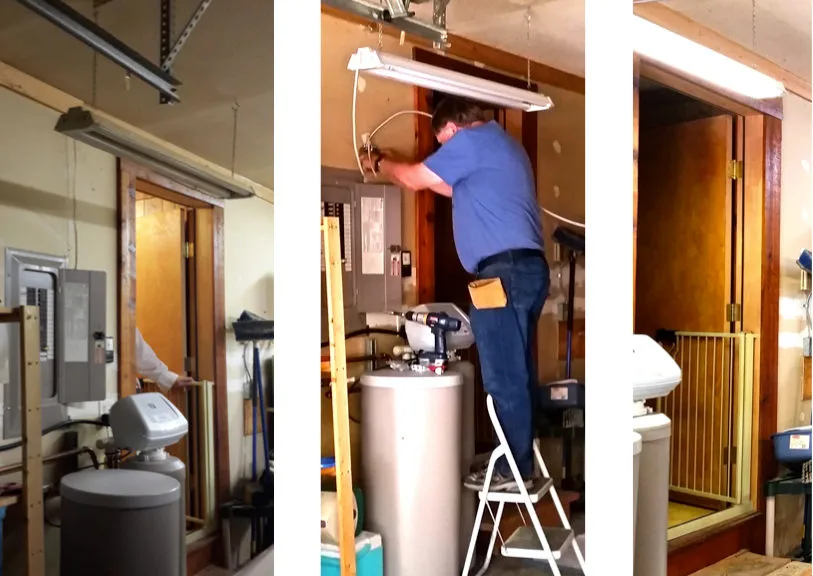
The application process usually involves contacting a local agency, completing an application, and scheduling a home energy assessment. Trained professionals will inspect the home, identify areas for improvement, and recommend upgrades. Once approved, licensed contractors perform the work at no cost or a reduced cost to the homeowner.
For more information on eligibility and application steps, you can review government and community programs that help with senior home repairs.
Types of Upgrades Offered by Senior Weatherization Initiatives
The specific improvements available through weatherization programs for senior homes may vary by location and funding, but common services include:
- Insulation: Upgrading attic, wall, and floor insulation to reduce heat loss or gain.
- Air Sealing: Caulking and weatherstripping to prevent drafts and energy waste.
- Heating and Cooling Repairs: Servicing or replacing old furnaces, boilers, or air conditioners.
- Window and Door Repairs: Fixing or replacing leaky or inefficient windows and doors.
- Ventilation Improvements: Ensuring proper airflow to prevent moisture buildup and improve air quality.
- Minor Electrical and Plumbing Fixes: Addressing safety issues that could affect energy efficiency or occupant health.
Some programs also offer education on energy-saving habits and may provide free items like LED bulbs or low-flow showerheads. For ongoing home maintenance, consider learning about the benefits of microfiber towels for walk-in showers to keep bathrooms safe and clean.
Tips for Maximizing the Value of Weatherization Services
To get the most from home energy upgrades, seniors and their families should:
- Keep records of all home improvements and utility bills to track savings over time.
- Ask about additional services, such as health and safety checks or referrals to other support programs.
- Maintain regular communication with local agencies to stay informed about new funding or services.
- Consider pairing weatherization with other home modifications, such as walk-in tub suction safety features, to further enhance safety and comfort.
- Encourage neighbors and friends to explore similar programs, as many agencies serve entire communities.
Being proactive about home maintenance and energy efficiency can help seniors remain independent and comfortable for years to come.
Frequently Asked Questions
What is the main goal of weatherization programs for older adults?
The primary objective is to improve energy efficiency, safety, and comfort in the homes of seniors. By making targeted upgrades, these programs help reduce utility costs and support healthy, independent living.
Are there costs involved for seniors to participate?
Most weatherization services for eligible seniors are provided at no cost or a significantly reduced rate. Funding comes from federal, state, or local sources, so out-of-pocket expenses are rare for those who qualify.
How long does the weatherization process take?
The timeline varies depending on the home’s condition and the scope of work. After an initial assessment, most upgrades are completed within a few days to a couple of weeks.
Can renters benefit from these programs?
Yes, in many cases renters can receive weatherization services with the landlord’s permission. The property owner may need to agree to certain terms, especially if major upgrades are involved.
Conclusion
Weatherization programs for senior homes provide essential support for older adults seeking to maintain safe, comfortable, and affordable living spaces. By understanding eligibility, available services, and how to apply, seniors and their families can take advantage of these valuable resources. For further reading on related home safety and maintenance topics, explore guides on how to troubleshoot walk-in tub jet noise and other helpful resources.