
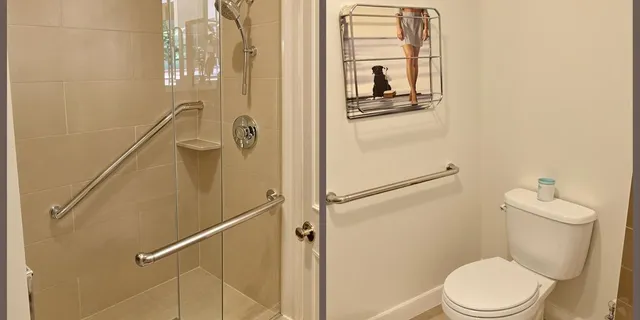
As we age, our homes should adapt to support changing needs and ensure a safe, comfortable environment. For older adults, the right modifications can make a significant difference in preventing accidents and promoting independence. This guide explores practical home improvement projects for senior safety, offering actionable ideas to help loved ones remain secure and confident in their own space.
Whether you are planning ahead for yourself or assisting a family member, understanding which upgrades matter most is key. From simple adjustments to more comprehensive renovations, these strategies can help reduce risks and support aging in place. For a comprehensive checklist, you may also find the aging in place home improvement checklist useful as you plan your next steps.
Why Senior-Friendly Home Upgrades Matter
Falls and injuries are among the most common concerns for older adults living at home. According to the CDC, one in four Americans aged 65+ falls each year, often resulting in serious injuries. Many of these incidents are preventable with targeted home improvements. By focusing on accessibility, visibility, and stability, families can create a living environment that supports both safety and autonomy.
Beyond physical health, these changes can also enhance quality of life. Seniors who feel secure in their homes are more likely to remain active, maintain social connections, and enjoy greater peace of mind. For more insights on this topic, the article on improving quality of life through accessibility offers additional strategies.
Essential Home Improvement Projects for Senior Safety
When considering upgrades, prioritize areas where slips, trips, and accessibility challenges are most likely to occur. Here are some of the most effective projects to consider:
1. Installing Grab Bars and Handrails
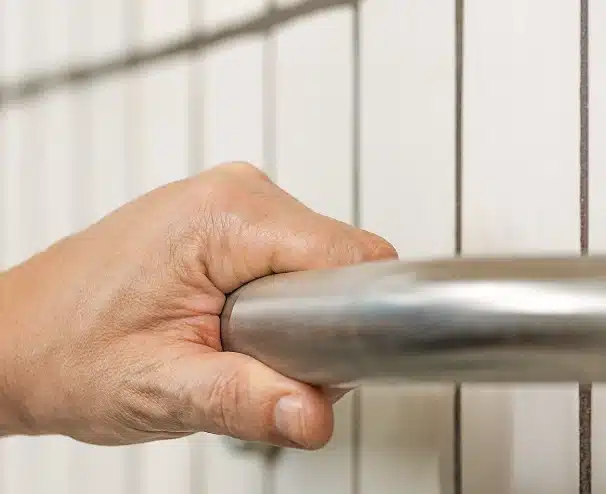
Adding sturdy grab bars in bathrooms, hallways, and stairways is one of the simplest yet most effective ways to prevent falls. These supports provide extra stability when standing, sitting, or moving between spaces. For guidance on optimal placement, see these useful tips on where to install grab bars.
2. Bathroom Modifications for Safer Access
The bathroom is a high-risk area for slips and falls. Upgrading this space can make daily routines much safer. Consider the following improvements:
- Install non-slip mats or textured flooring to reduce the risk of slipping.
- Replace traditional tubs with walk-in showers or tubs with low thresholds.
- Add a shower seat or bench for stability during bathing.
- Ensure faucets and controls are easy to reach and operate.
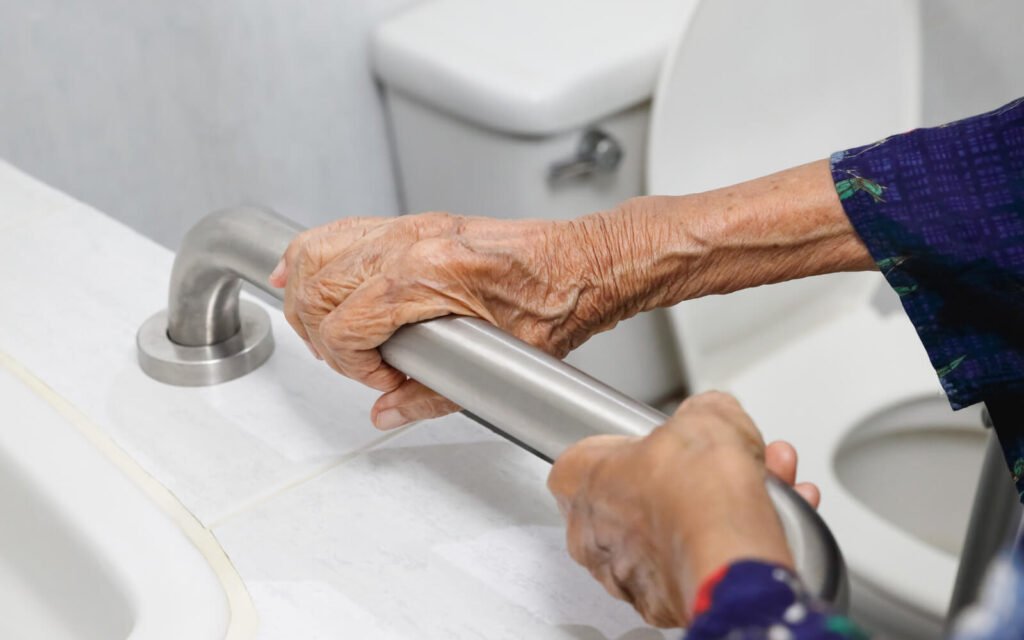
- Upgrade to a raised toilet seat or install toilet safety rails for easier transfers.
For more detailed advice, the resource on bathroom accessibility upgrades that make a difference provides practical solutions tailored to older adults.
3. Improving Lighting and Visibility
Poor lighting can make it difficult to spot obstacles and increases the risk of tripping. Upgrading lighting throughout the home is a straightforward way to boost safety. Focus on these areas:
- Install bright, glare-free LED bulbs in hallways, staircases, and entryways.
- Add nightlights in bedrooms, bathrooms, and along paths to the kitchen.
- Use motion-sensor lights for hands-free illumination, especially in frequently used areas.
- Ensure light switches are easily accessible and consider rocker-style switches for easier use.
4. Reducing Trip Hazards and Clutter
Keeping floors clear and level is essential for preventing falls. Take these steps to minimize risks:
- Remove loose rugs or secure them with non-slip backing.
- Keep electrical cords out of walkways and secure them against walls.
- Rearrange furniture to create wide, unobstructed paths.
- Repair uneven flooring or thresholds that could cause tripping.
For a deeper understanding of risk factors, the article on understanding fall risks in older adults covers common hazards and prevention tips.
Additional Accessibility Upgrades for Independence
Beyond basic safety, certain home improvements can help seniors maintain their independence and comfort. Consider these enhancements:
- Widening doorways to accommodate walkers or wheelchairs.
- Installing lever-style door handles and faucets for easier operation.
- Adding ramps at entrances to eliminate steps and improve mobility.
- Lowering closet rods and kitchen shelves for easier reach.
- Using contrasting colors for walls, floors, and furniture to help those with vision changes.
For more advice on supporting autonomy, the senior independence and bathroom safety guide offers targeted recommendations.
Planning and Prioritizing Home Modifications
Every home and individual is unique. Start by assessing the specific needs of the senior resident and identifying the most urgent areas for improvement. Consider the following steps:
- Conduct a room-by-room safety assessment, noting hazards and accessibility challenges.
- Consult with occupational therapists or aging-in-place specialists for personalized recommendations.
- Set a budget and timeline for upgrades, prioritizing high-impact changes first.
- Involve the senior in decision-making to ensure modifications align with their preferences and routines.
Remember, even small changes can make a big difference. Regularly revisit the home environment to adapt to evolving needs over time.
FAQ: Common Questions About Senior Home Safety Improvements
What are the most important safety upgrades for seniors living at home?
The most critical improvements include installing grab bars, enhancing bathroom safety, upgrading lighting, and removing trip hazards. These changes address the areas where falls and injuries are most likely to occur.
How can I make a bathroom safer for an older adult?
Focus on non-slip surfaces, walk-in showers, shower seats, and accessible controls. Adding grab bars and toilet safety rails provides extra support and stability during daily routines.
Are there affordable ways to improve home safety for seniors?
Yes, many effective upgrades are budget-friendly. Securing rugs, adding nightlights, and rearranging furniture can significantly reduce risks without major renovations. Prioritize the most urgent changes and expand as needed.
Where can I find more resources on aging in place?
For a detailed checklist and further guidance, visit the aging in place home improvement checklist for seniors.