
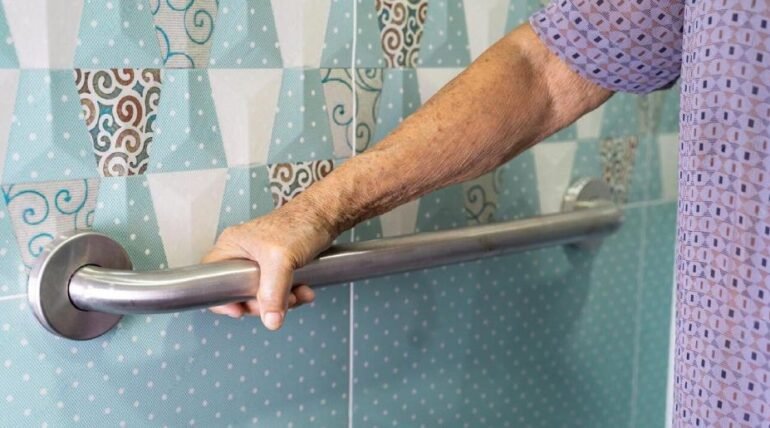
Creating safe bathing environments for aging adults is a crucial step in supporting independence, dignity, and well-being as people grow older. The bathroom is one of the most common places for slips and falls, especially for seniors who may face mobility challenges, balance issues, or reduced strength. By understanding the risks and implementing practical solutions, families and caregivers can help older adults maintain their autonomy and safety at home.
From installing grab bars to choosing non-slip flooring, the right modifications make a significant difference. This guide explores essential features, recommended products, and best practices for designing bathrooms that prioritize both safety and comfort. For those interested in a broader approach to home modifications, the aging in place home improvement checklist offers a comprehensive overview of adjustments that can help seniors remain in their homes longer and with greater confidence.
Why Bathroom Safety Matters for Seniors
Statistics show that falls are a leading cause of injury among older adults, with the bathroom being a high-risk area due to slippery surfaces and awkward movements required to bathe or use the toilet. Even a minor fall can result in serious injuries such as fractures or head trauma, which can impact long-term independence.
Many seniors wish to remain in their homes as they age. Ensuring the bathroom is safe and accessible is a key aspect of aging in place. Simple upgrades can prevent accidents and provide peace of mind for both seniors and their loved ones.
For more information on how to make bathrooms more accessible, see bathroom accessibility upgrades that make a difference.
Key Features of Safe Bathing Spaces for Older Adults
Designing a secure and comfortable bathing area involves a combination of thoughtful layout, specialized fixtures, and practical accessories. Here are the most important elements to consider:
- Grab Bars and Handrails: Sturdy grab bars near the toilet, shower, and bathtub help with balance and provide support when standing or sitting. They should be installed securely into wall studs and positioned at a comfortable height.
- Non-Slip Surfaces: Floors, tubs, and showers should have non-slip mats or textured surfaces to reduce the risk of slipping when wet.
- Walk-In Showers or Tubs: Stepping over a high tub wall can be difficult. Walk-in showers or tubs with low thresholds make entry and exit safer.
- Shower Seats and Benches: A sturdy seat allows users to bathe while sitting, reducing fatigue and the risk of falls.
- Handheld Showerheads: Adjustable, handheld showerheads make it easier to wash while seated and reduce awkward movements.
- Raised Toilet Seats and Safety Rails: Higher toilet seats and support rails make it easier to sit and stand, especially for those with limited mobility or joint pain.
- Good Lighting: Bright, glare-free lighting helps seniors see obstacles and navigate safely.
For a deeper understanding of the risks seniors face, the article on understanding fall risks in older adults provides valuable insights.
Choosing and Installing Grab Bars for Maximum Support
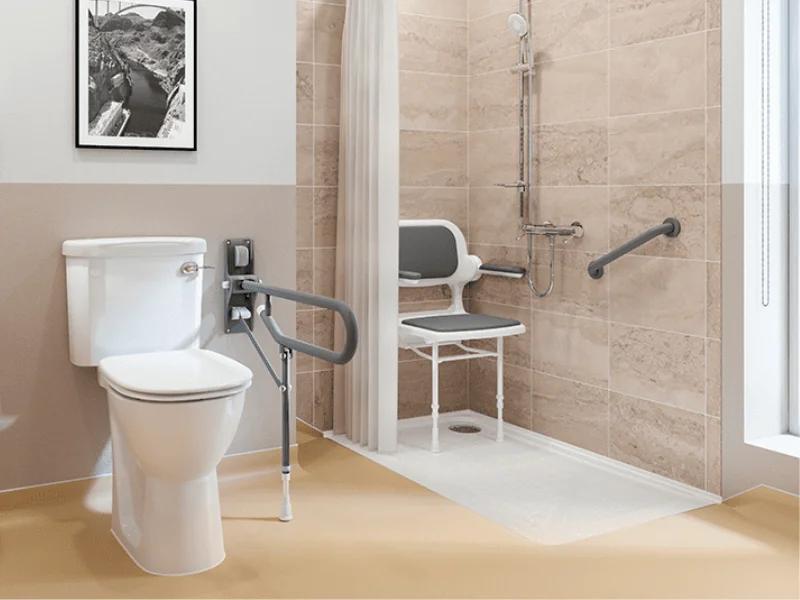
Grab bars are among the most effective tools for enhancing bathroom safety. They provide reliable handholds for moving in and out of the tub or shower and for steadying oneself near the toilet. When selecting grab bars, look for models with a textured grip and corrosion-resistant materials.
Proper installation is critical—bars should be anchored into wall studs, not just drywall, to support a person’s full weight. Placement matters as well: horizontal bars are ideal for steadying, while vertical bars assist with standing up or sitting down. For more details on how grab bars can improve safety and mobility, see this comprehensive guide to bathroom grab bars for seniors.
Pairing grab bars with other safety features, such as non-slip flooring and accessible shower controls, creates a well-rounded approach to fall prevention.
Adapting Toilets and Showers for Senior Safety
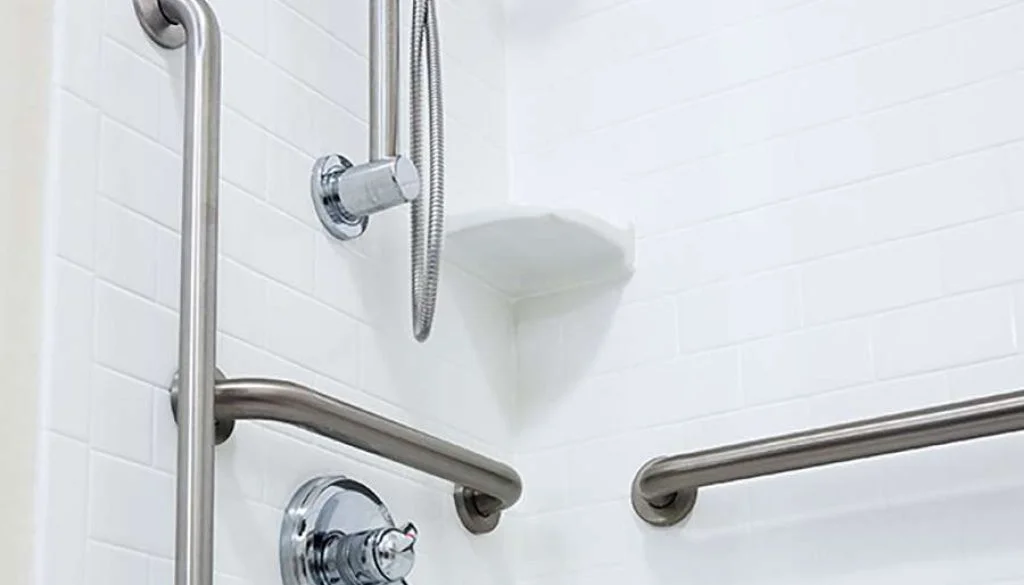
Toilets and showers often require special attention when designing safe bathing environments for aging adults. Raised toilet seats reduce the distance needed to sit or stand, which is especially helpful for those with arthritis or limited leg strength. Adding toilet safety rails provides additional support and stability.
Showers can be made safer by installing a low or no-threshold entry, which eliminates the need to step over high edges. Non-slip tiles or mats, combined with a shower bench, allow seniors to bathe comfortably and securely. Handheld showerheads further enhance convenience, making it easier to reach all areas while seated.
For more practical tips on supporting senior independence in the bathroom, the senior independence and bathroom safety resource is highly recommended.
Additional Tips for a Senior-Friendly Bathroom
Beyond major fixtures, several smaller adjustments can further improve safety and usability:
- Keep frequently used items within easy reach to avoid stretching or bending.
- Use lever-style faucets, which are easier to operate for those with limited hand strength.
- Install nightlights or motion-sensor lighting to help seniors navigate at night.
- Ensure the bathroom door opens outward or is easy to unlock from the outside in case of emergency.
- Remove loose rugs and clutter from the floor to prevent tripping hazards.
These changes, while simple, can make a significant difference in daily comfort and safety.
For more on how accessibility upgrades can enhance quality of life, visit improving quality of life through accessibility.
Frequently Asked Questions
What are the most important safety features for bathrooms used by seniors?
The most important features include securely installed grab bars, non-slip flooring, walk-in showers or tubs, shower seats, handheld showerheads, raised toilet seats, and good lighting. These elements work together to reduce fall risks and make bathing easier for older adults.
How can I tell if my bathroom is safe enough for an aging family member?
Evaluate the space for potential hazards such as slippery surfaces, hard-to-reach items, and lack of support bars. If your loved one has difficulty moving around, consider consulting an occupational therapist or using a checklist like the aging in place home improvement checklist to identify needed upgrades.
Are grab bars difficult to install, and do they really make a difference?
Grab bars are not difficult to install for a professional or a skilled DIYer, but proper anchoring into wall studs is essential for safety. They provide a reliable handhold and can significantly reduce the risk of falls in the bathroom. For more details, see this detailed explanation of grab bar benefits.
Conclusion
Ensuring a secure and accessible bathroom is a vital part of supporting older adults who wish to live independently. By incorporating features like grab bars, non-slip surfaces, and accessible fixtures, families can create a space that minimizes risks and maximizes comfort. Regularly reviewing and updating these features as needs change will help maintain a high standard of safety and quality of life for aging loved ones.