
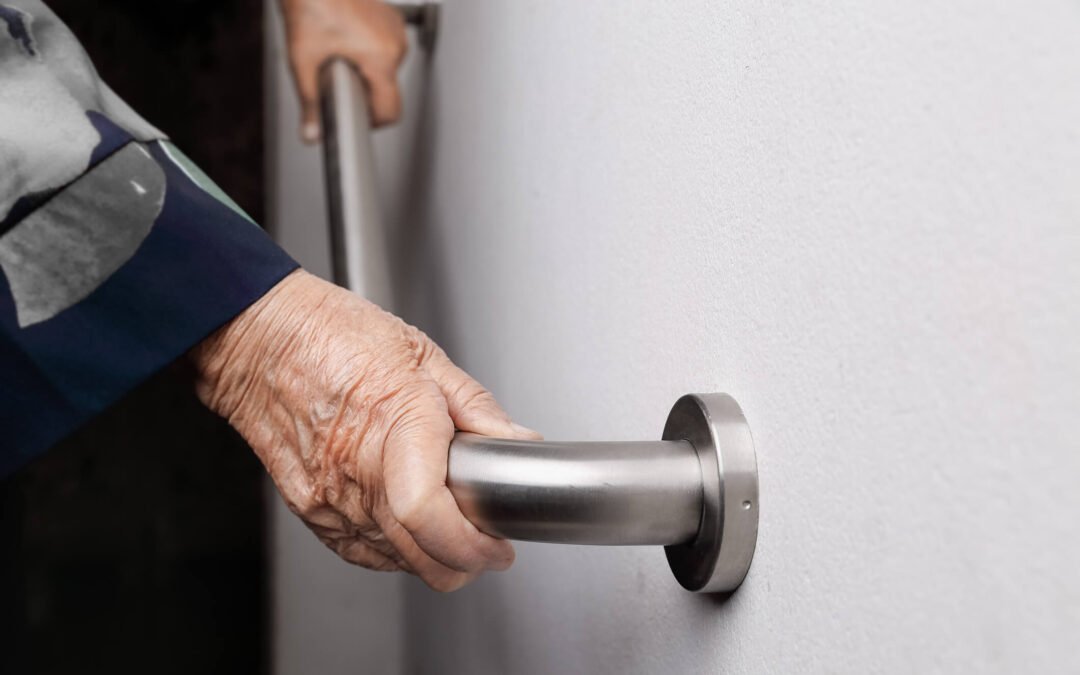
Falls are a leading cause of injury among older adults, often resulting in serious consequences for both individuals and their loved ones. Understanding the risks and implementing effective strategies can make a significant difference in keeping family members safe at home. This guide explores practical steps, resources, and tools to empower families and caregivers with the knowledge needed to reduce fall hazards and promote independence.
Providing fall prevention education for families is essential, especially as more seniors choose to age in place. By learning about common risk factors and proven solutions, caregivers can create a safer environment and support their loved ones’ well-being. For those interested in broader home safety strategies, home safety for elderly couples offers additional insights on essential upgrades and modifications.
Why Family-Focused Fall Prevention Matters
When it comes to reducing the risk of falls, families and caregivers play a vital role. Older adults may not always recognize hazards or may be reluctant to discuss mobility challenges. By proactively addressing these concerns, loved ones can help prevent accidents before they happen.
Key reasons to prioritize fall prevention education for families include:
- Reducing injuries: Falls can lead to fractures, head injuries, and long-term disability.
- Maintaining independence: Preventing falls helps seniors stay active and self-sufficient.
- Lowering healthcare costs: Fewer falls mean fewer hospital visits and medical expenses.
- Improving quality of life: A safe home environment brings peace of mind to everyone involved.
Common Fall Hazards in the Home
Understanding where and how falls occur is the first step in prevention. Many accidents happen in familiar places, often due to overlooked risks. Some of the most frequent hazards include:
- Slippery bathroom floors and tubs
- Poor lighting in hallways and staircases
- Loose rugs and cluttered walkways
- Unstable furniture or lack of sturdy handholds
- Improper footwear or ill-fitting shoes
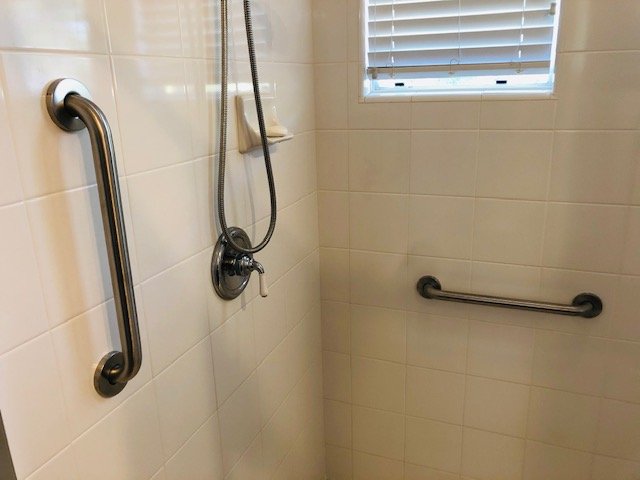
Bathrooms are especially high-risk areas. Installing grab bars and non-slip mats can make a dramatic difference. For more ideas on making bathrooms safer, see bathroom accessibility improvements for elderly adults.
Key Elements of Fall Prevention Education for Families
Effective fall prevention goes beyond removing obvious hazards. It involves ongoing education, communication, and practical support. Here are essential components to include in any family-focused safety plan:
1. Risk Assessment and Awareness
Begin by evaluating the home and the individual’s health. Look for physical obstacles, review medications that may cause dizziness, and consider any recent changes in mobility or vision. Encourage open conversations about concerns and past incidents.
2. Home Modifications and Safety Devices
Simple changes can have a big impact. Install grab bars in bathrooms, secure loose carpets, and ensure all areas are well-lit. For those seeking more comprehensive solutions, wet floor safety solutions for modern bathrooms offer practical tips and product recommendations.
Adding support rails and adaptive equipment, such as raised toilet seats or shower chairs, can further reduce risk. For a comparison of different mobility aids, explore support rails vs other mobility aids.
3. Education and Training for Caregivers
Caregivers should be trained to assist with transfers, recognize early warning signs of instability, and respond appropriately if a fall occurs. Many organizations offer workshops, online resources, and printed materials tailored to family needs.
4. Encouraging Physical Activity
Regular exercise improves strength, balance, and flexibility. Activities like walking, tai chi, or gentle stretching can help prevent falls. Consult with healthcare providers to develop a safe and effective routine.
Practical Tips for Reducing Fall Risks
Families can take immediate steps to make their homes safer and support their loved ones’ independence. Consider these practical recommendations:
- Keep floors clear of clutter, cords, and loose rugs
- Install nightlights in bedrooms, bathrooms, and hallways
- Use non-slip mats in the shower and bathtub
- Arrange furniture to allow easy movement
- Encourage the use of sturdy shoes with non-skid soles
- Schedule regular vision and hearing checks
- Review medications with a doctor or pharmacist
For more in-depth guidance on maintaining a safe living environment, senior home safety essentials for independent living is a valuable resource.
Choosing and Installing Safety Equipment
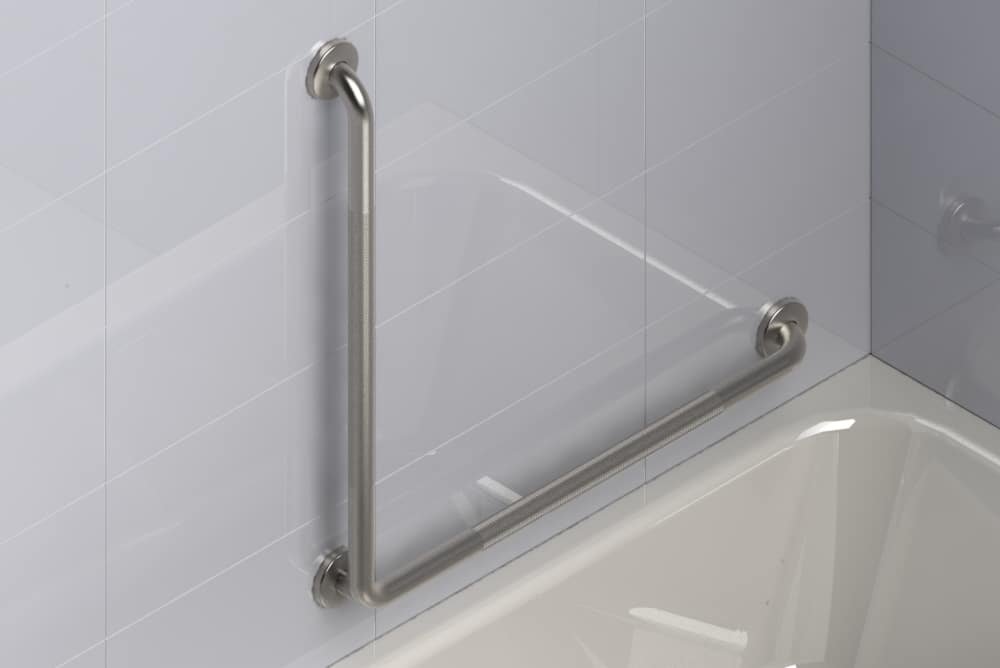
Selecting the right safety products is crucial for effective fall prevention. Grab bars, toilet rails, and non-slip surfaces are among the most recommended solutions. When installing these items, follow manufacturer instructions and ensure they are securely anchored.
For a detailed look at why grab bars are essential in bathrooms, see why grab bars for seniors are a must-have in every bathroom. This resource highlights the benefits and proper placement of these important devices.
Supporting Emotional Well-Being and Communication
Addressing fall risks can be sensitive. Some older adults may feel embarrassed or fearful about discussing mobility issues. Families should approach these conversations with empathy, focusing on empowerment rather than restriction.
Encourage loved ones to share their concerns and preferences. Involve them in decision-making about home modifications and daily routines. This collaborative approach fosters trust and increases the likelihood of lasting safety improvements.
Staying Informed: Ongoing Learning and Resources
Fall prevention is an ongoing process. Stay up to date with the latest research, tools, and community programs. Many local agencies, healthcare providers, and nonprofits offer workshops, home assessments, and educational materials tailored for families and caregivers.
By prioritizing fall prevention education for families, you can help your loved ones maintain their independence, reduce the risk of injury, and enjoy a higher quality of life at home.
Frequently Asked Questions
What are the most effective ways to prevent falls at home?
The most effective strategies include removing tripping hazards, installing grab bars and handrails, improving lighting, and encouraging regular physical activity. Reviewing medications and scheduling vision checks are also important steps.
How can families talk to loved ones about fall risks without causing distress?
Approach the conversation with empathy and respect. Focus on maintaining independence and well-being, and involve your loved one in decisions about safety modifications and routines.
Are grab bars and toilet safety rails difficult to install?
Many grab bars and toilet safety rails are designed for easy installation, but it’s important to follow the manufacturer’s instructions and ensure secure mounting. If unsure, consider hiring a professional for installation.