
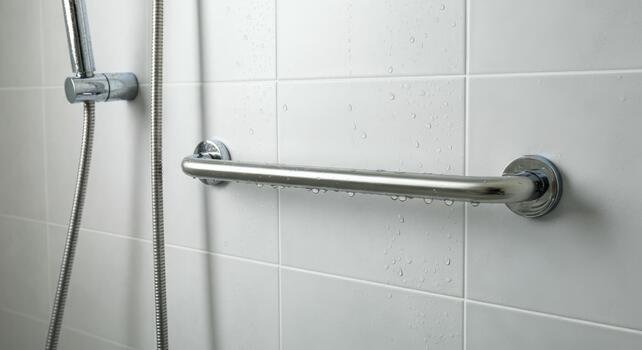
As people age, the bathroom can become one of the most hazardous places in the home. Slippery surfaces, hard fixtures, and limited mobility all contribute to increased risks of falls and injuries. Building a safer bathroom for aging adults is essential for supporting independence, comfort, and peace of mind. Whether you are planning for yourself or a loved one, understanding the most effective upgrades and safety features can make a significant difference.
Many families begin by reviewing an aging in place home improvement checklist to identify areas that need attention. Early planning and thoughtful modifications can help seniors remain in their homes longer, with greater confidence and less risk.
Why Bathroom Safety Matters for Older Adults
The bathroom is a common site for falls among seniors, often leading to serious injuries such as fractures or head trauma. According to the CDC, over 230,000 people are treated in emergency rooms each year for bathroom-related injuries, with adults over 65 at the highest risk. Wet floors, awkward movements, and the need to navigate tight spaces all contribute to these dangers.
Proactive steps to improve safety not only reduce the risk of accidents but also help maintain dignity and independence. Simple changes, such as installing grab bars or non-slip mats, can have a profound impact on daily life.
Key Features for a Senior-Friendly Bathroom
When building a safer bathroom for aging adults, focus on features that enhance stability, accessibility, and ease of use. Here are some of the most effective upgrades:
- Grab Bars and Handrails: Securely mounted bars near the toilet, shower, and bathtub provide crucial support for sitting, standing, and moving safely.
- Non-Slip Flooring: Replace or cover slippery tiles with textured, slip-resistant surfaces to reduce fall risk.
- Walk-In Showers: Low-threshold or curbless showers eliminate the need to step over high edges, making entry and exit safer.
- Shower Seats: A sturdy, waterproof seat allows users to bathe comfortably without standing for extended periods.
- Raised Toilet Seats and Safety Rails: Elevating the toilet and adding side rails make sitting and standing easier for those with limited mobility.
- Lever-Style Faucets: Easy-to-use handles are preferable to knobs, especially for those with arthritis or reduced hand strength.
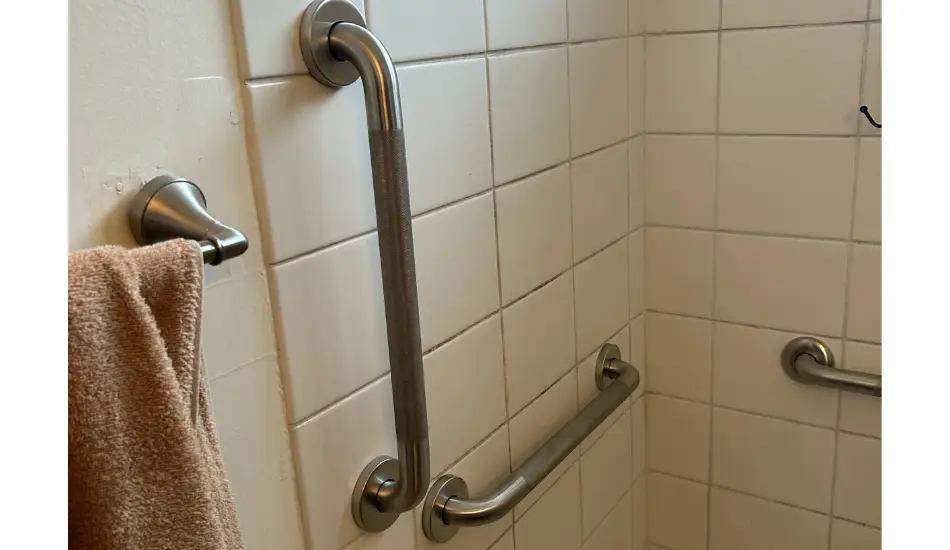
Grab Bars: A Must-Have for Senior Bathroom Safety
One of the most effective ways to improve bathroom safety is the installation of grab bars. These sturdy supports can be placed near the shower, bathtub, and toilet to help prevent slips and falls. According to experts on the importance of grab bars for seniors, these devices are essential for providing balance and support, especially when surfaces are wet or slippery.
When choosing grab bars, look for models that are professionally installed and rated for the user’s weight. Avoid towel bars or suction-cup models, as they may not provide adequate support in an emergency.
Reducing Fall Risks Through Thoughtful Design
Beyond grab bars, there are several design strategies that can further minimize hazards in the bathroom. Consider the following:
- Good Lighting: Ensure the bathroom is well-lit, with switches that are easy to reach. Nightlights can help with nighttime visibility.
- Clear Pathways: Remove rugs, clutter, and unnecessary furniture to create wide, unobstructed walkways.
- Accessible Storage: Place toiletries and towels within easy reach to avoid stretching or bending.
- Temperature Controls: Install anti-scald devices on faucets and showers to prevent burns.
For a comprehensive look at how to address these and other risks, review the understanding fall risks in older adults resource for additional guidance.
Accessibility Upgrades That Make a Difference
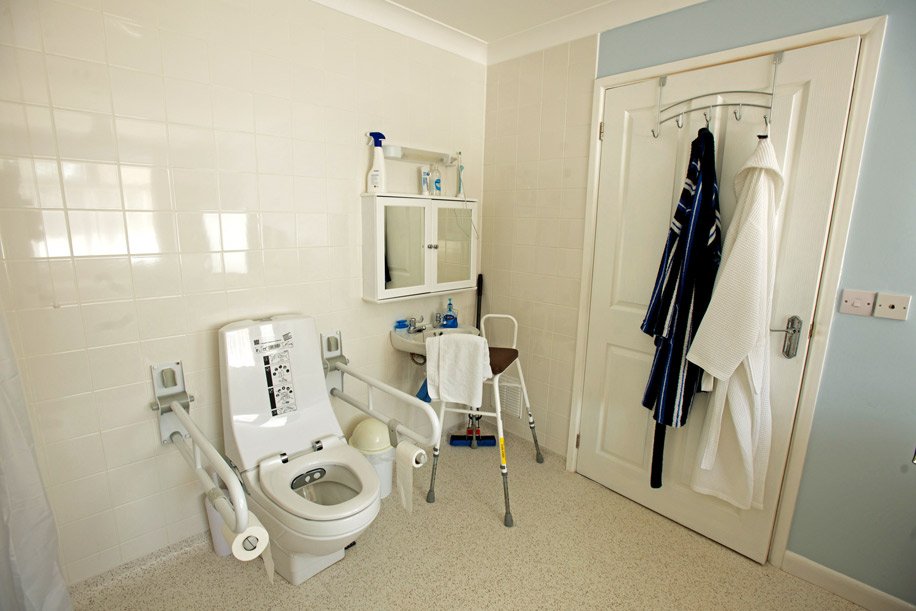
For many seniors, accessibility is just as important as safety. Upgrades such as wider doorways, lowered countertops, and handheld showerheads can make the bathroom more functional and comfortable. If you’re considering a remodel, explore bathroom accessibility upgrades that make a difference for ideas that suit various needs and budgets.
Even small changes, like swapping out traditional doorknobs for lever handles or adding a second towel bar at a lower height, can make daily routines easier for those with limited strength or flexibility.
Supporting Independence and Confidence at Home
Creating a secure and accessible bathroom environment helps seniors maintain their independence and reduces the need for outside assistance. By addressing common hazards and making thoughtful upgrades, families can support their loved ones’ desire to age in place safely and comfortably.
For a broader perspective on improving mobility and confidence throughout the home, see the guide to senior mobility and confidence at home.
Frequently Asked Questions
What are the most important bathroom modifications for seniors?
The most impactful changes include installing grab bars, using non-slip flooring, adding a shower seat, and raising the toilet height with safety rails. These upgrades address the most common causes of falls and make daily tasks more manageable.
How can I make a bathroom safer for someone with limited mobility?
Focus on eliminating tripping hazards, improving lighting, and ensuring all necessities are within easy reach. Consider a walk-in shower, lever-style faucets, and accessible storage. Professional installation of grab bars and safety rails is also highly recommended.
Are grab bars really necessary if my loved one is still mobile?
Yes, grab bars provide essential support even for those who are generally mobile. They offer stability during unexpected slips and can prevent serious injuries. For more details, consult this article on the necessity of grab bars for seniors.
Where can I find a checklist for making my home safer as I age?
Refer to the aging in place home improvement checklist for a comprehensive overview of recommended modifications throughout the home.
Conclusion
Prioritizing bathroom safety for older adults is a practical and compassionate step toward supporting independence and well-being. By incorporating features like grab bars, non-slip surfaces, and accessible fixtures, families can greatly reduce the risk of accidents and create a more comfortable environment. For more tips and best practices, explore resources on best practices for aging in place and consult with professionals to tailor solutions to your unique needs.