
As more people choose to remain in their homes as they age, the need for safe, comfortable, and accessible bathrooms has never been greater. Modern aging in place bathroom trends focus on blending safety features with attractive design, allowing individuals to maintain independence without sacrificing style. Whether you’re planning a renovation for yourself or a loved one, understanding the latest innovations can help you make informed decisions that support long-term well-being.
From grab bars to walk-in showers, today’s solutions go beyond the basics. They incorporate thoughtful details that reduce fall risks, improve mobility, and make daily routines easier. For a comprehensive approach to home safety, you may also want to review the aging in place home improvement checklist for seniors, which covers essential upgrades throughout the house.
Why Bathroom Upgrades Matter for Aging in Place
Bathrooms are one of the most hazardous areas in any home, especially for older adults. Slippery surfaces, awkward layouts, and hard-to-reach fixtures can increase the likelihood of falls and injuries. By adopting the latest bathroom accessibility upgrades, you can significantly reduce these risks and create a space that supports independence and peace of mind.
Recent trends emphasize not only safety but also dignity and comfort. Features like non-slip flooring, barrier-free showers, and strategically placed grab bars are now designed to blend seamlessly with modern décor. These updates are essential for anyone looking to age in place gracefully and securely.
Key Features Shaping Modern Accessible Bathrooms
Let’s explore the most important elements that are transforming bathrooms for those who wish to remain at home as they age.
1. Stylish and Functional Grab Bars
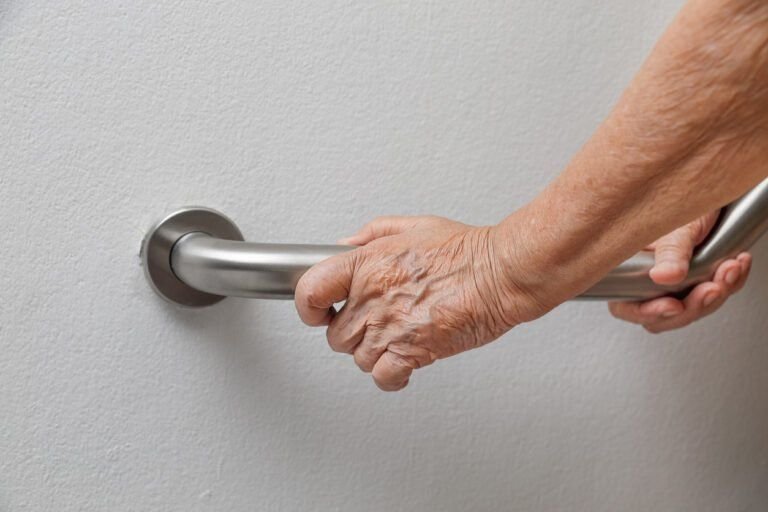
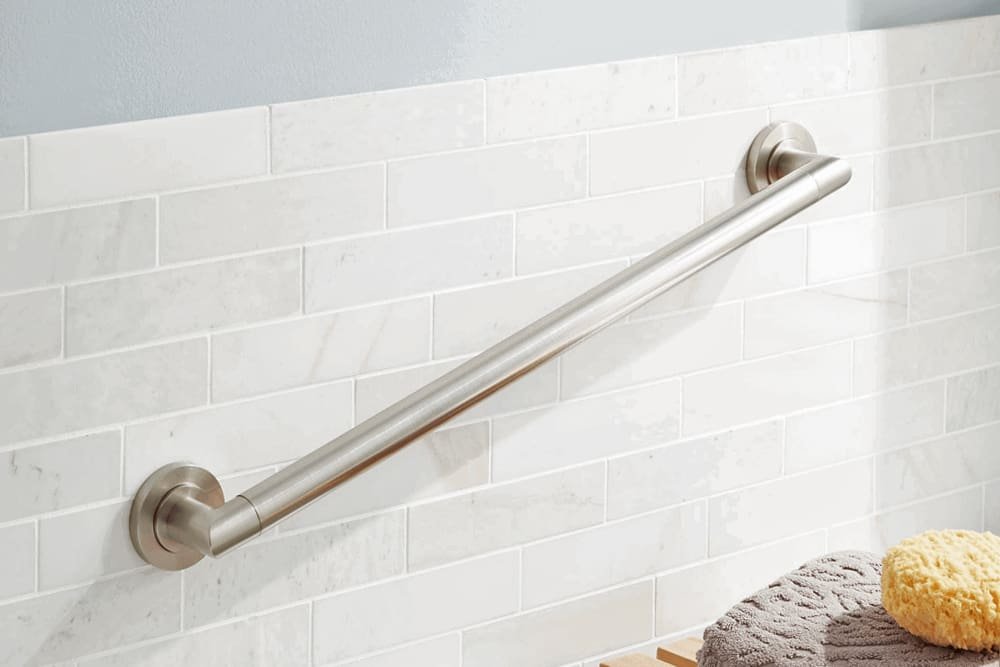
Grab bars are no longer institutional-looking. Today’s options come in a variety of finishes and styles, making them an integral part of the bathroom’s design. They provide essential support for standing, sitting, and moving safely, especially near showers, tubs, and toilets.
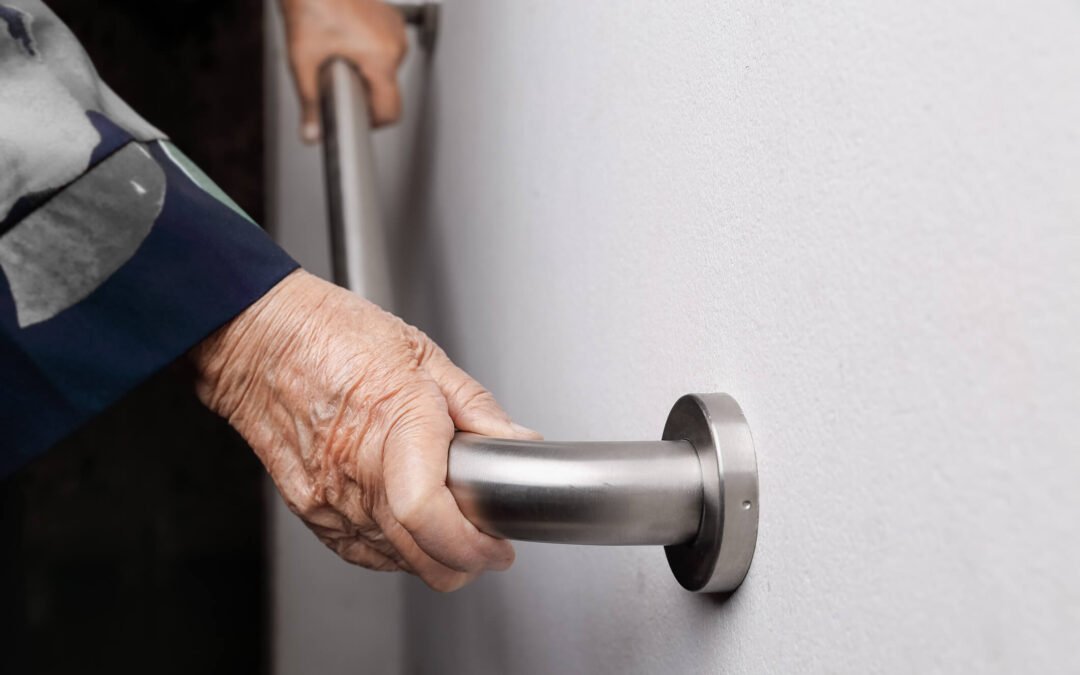
For more on selecting the right support features, see this detailed guide to grab bars for elderly adults, which explains installation options and sizing considerations.
2. Walk-In Showers and Low-Threshold Tubs
Traditional bathtubs can be difficult to enter and exit safely. Walk-in showers with low or zero thresholds are now a top choice for accessible bathrooms. These showers often include built-in seating, handheld showerheads, and slip-resistant floors, making bathing safer and more comfortable.
For those who prefer a tub, low-entry or walk-in tubs with watertight doors provide a safer alternative. These innovations help prevent tripping and allow for easier transfers, especially when combined with sturdy grab bars.
3. Improved Lighting and Visibility
Good lighting is essential for safety and usability. Modern bathroom designs incorporate layered lighting, including bright overhead fixtures, task lighting near mirrors, and nightlights for easy navigation after dark. Motion-activated lights are also gaining popularity, reducing the need to fumble for switches.
Contrasting colors for floors, walls, and fixtures help those with vision impairments distinguish between surfaces, further reducing the risk of accidents.
4. Comfort-Height Toilets and Support Rails
Standard toilets can be too low for some individuals, making sitting and standing challenging. Comfort-height toilets, which are a few inches taller than standard models, make transfers easier and reduce strain on joints. Adding toilet safety rails or armrests provides additional support and stability.
5. Non-Slip Flooring and Easy-to-Clean Surfaces
Falls are a leading cause of injury among older adults, and slippery bathroom floors are a major hazard. Non-slip tiles, textured vinyl, and rubber flooring are increasingly popular choices. These materials provide traction even when wet and are easy to maintain. Seamless surfaces and wall panels also help prevent mold and mildew, making cleaning simpler and more hygienic.
For further ideas on creating a safer bathroom environment, you can explore bathroom accessibility upgrades that make a difference for practical tips and product recommendations.
Smart Technology and Convenience Features
Technology is playing a growing role in accessible bathroom design. Touchless faucets, automatic flush toilets, and voice-activated lighting are becoming more common. These features reduce the need for manual dexterity and make daily routines more manageable for those with limited mobility.
Other helpful additions include:
- Heated floors for comfort and slip prevention
- Anti-scald devices on faucets and showers
- Adjustable showerheads and easy-to-reach controls
- Wider doorways for wheelchair access
By integrating these elements, you can create a bathroom that adapts to changing needs over time.
Planning Your Accessible Bathroom Renovation
When considering updates, it’s important to assess your current and future needs. Consulting with occupational therapists or certified aging-in-place specialists can help you identify the most effective solutions. Prioritize features that address safety, comfort, and ease of use.
Start with a thorough evaluation of your space and budget. Focus on high-impact changes such as grab bars, non-slip flooring, and improved lighting. Gradually incorporate additional features as needed to support ongoing independence.
For a broader perspective on home modifications, see the article on senior mobility and confidence at home, which covers upgrades that enhance safety throughout the living environment.
Benefits of Embracing Modern Bathroom Solutions
Investing in accessible bathroom features offers a range of benefits:
- Increased safety—reducing the risk of falls and injuries
- Greater independence—allowing individuals to manage personal care with less assistance
- Enhanced comfort—making daily routines easier and more enjoyable
- Improved home value—modern, accessible bathrooms appeal to a wider range of buyers
- Peace of mind—knowing that your home supports your needs now and in the future
By staying informed about the latest aging in place bathroom trends, you can make proactive choices that support long-term well-being.
Frequently Asked Questions
What are the most important features for a safe bathroom as you age?
Key features include grab bars, non-slip flooring, walk-in showers or low-threshold tubs, comfort-height toilets, and improved lighting. These elements work together to reduce fall risks and support independent living.
How can I make my bathroom more accessible without a full remodel?
Simple changes like installing grab bars, adding non-slip mats, improving lighting, and using raised toilet seats can make a significant difference. Portable shower chairs and handheld showerheads are also affordable upgrades.
Are accessible bathrooms stylish?
Yes, modern accessibility products are designed to blend with contemporary décor. Grab bars, fixtures, and flooring come in a variety of finishes and styles, so you don’t have to sacrifice aesthetics for safety.
Conclusion
Adopting the latest innovations in bathroom design can help you or your loved ones remain comfortable and independent at home. By focusing on safety, accessibility, and style, you can create a space that meets your needs today and adapts for tomorrow. For more guidance on creating a supportive living environment, check out these best practices for aging in place to ensure every room in your home is ready for the future.