Creating a safe, comfortable, and functional bathroom is essential for people of all ages and abilities. Modern homes increasingly prioritize bathroom accessibility, ensuring that everyone—from seniors to individuals with disabilities—can use these spaces independently and with confidence. This bathroom accessibility guide covers essential upgrades, design considerations, and practical tips to help you transform your bathroom into a space that meets diverse needs while maintaining style and convenience.
Whether you’re planning a renovation for aging in place, supporting a loved one with mobility challenges, or simply future-proofing your home, understanding the key principles of accessible bathroom design is crucial. Early planning and the right modifications can significantly reduce the risk of slips, falls, and daily frustrations, making the bathroom a safer place for everyone.
For a broader look at making your entire home safer and more comfortable as you age, see our aging in place home improvement checklist. This resource complements the strategies outlined here, helping you create a comprehensive plan for accessible living.
Why Accessible Bathrooms Matter in Modern Homes
Bathrooms are among the most common places for accidents in the home, especially for older adults and those with mobility limitations. According to the CDC, falls are a leading cause of injury among seniors, and many of these incidents occur in the bathroom. By prioritizing accessible bathroom design, homeowners can:
- Promote independence and dignity for all users
- Reduce the risk of slips, trips, and falls
- Increase the value and appeal of the home
- Support aging in place and long-term comfort
Accessibility improvements benefit everyone, not just those with immediate needs. Universal design principles ensure that bathrooms are easy to use for children, adults, and guests alike, making them a smart investment for any household.
Key Elements of an Accessible Bathroom
Designing a bathroom with accessibility in mind involves more than just adding a few grab bars. The following features are central to a truly accessible space:
- Wide doorways for wheelchair or walker access
- Non-slip flooring to prevent falls
- Curbless or walk-in showers for easy entry
- Grab bars and support rails near toilets and showers
- Lever-style faucets and door handles
- Adjustable or handheld showerheads
- Comfort-height toilets and accessible sinks
- Clear floor space for maneuverability
Each of these features can be tailored to your specific needs, budget, and style preferences. Many modern products blend seamlessly with contemporary décor, so accessibility upgrades no longer mean sacrificing aesthetics.
Grab Bars and Support Rails: Essential Safety Upgrades
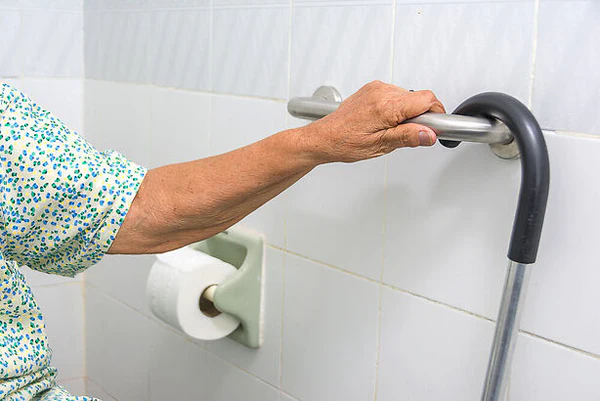
One of the most effective ways to improve safety is by installing sturdy grab bars and support rails. These fixtures provide stability when entering or exiting the shower, standing from the toilet, or moving around the bathroom. For a detailed look at how grab bars can enhance safety and mobility for seniors, see this guide to bathroom grab bars for seniors.
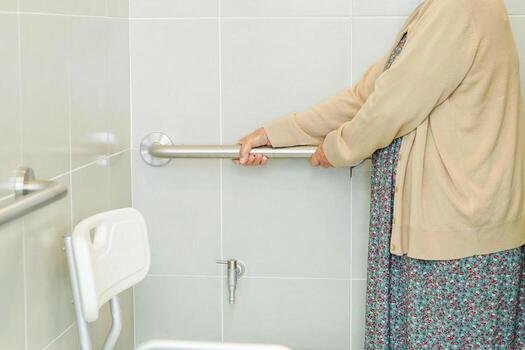
When choosing grab bars, look for models that are securely anchored to wall studs and have a textured grip. Install them at heights that suit the primary users, typically near the toilet, inside the shower, and beside the bathtub. Support rails for toilets can also make sitting and standing much easier, especially for those with limited strength or balance.
Accessible Showers and Bathtubs: Features and Options
Traditional bathtubs and high shower curbs can be major obstacles for people with limited mobility. Upgrading to a walk-in or roll-in shower eliminates this barrier, allowing for safer and easier entry. Key features to consider include:
- Low or zero-threshold entry
- Slip-resistant tiles or mats
- Built-in or fold-down shower seats
- Handheld showerheads with adjustable height
- Strategically placed grab bars
For those who prefer baths, walk-in tubs with side doors and built-in seating are available. These options provide the benefits of soaking while minimizing the risk of falls. Installing anti-scald valves can also prevent accidental burns, further enhancing safety.
Toilet and Sink Accessibility: Practical Adjustments
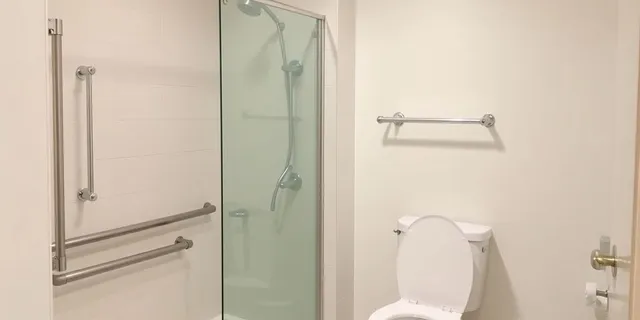
Standard toilets and sinks are often too low or difficult to access for people with mobility impairments. Upgrading to comfort-height toilets (typically 17–19 inches tall) makes sitting and standing easier. Adding toilet safety rails or frames provides additional support and stability.
For sinks, consider wall-mounted or pedestal designs that allow wheelchair users to roll underneath. Lever-style faucets are easier to operate than traditional knobs, especially for those with arthritis or limited hand strength. Ensure that plumbing is insulated or covered to prevent accidental burns from hot pipes.
For more inspiration and practical advice, check out our article on bathroom accessibility upgrades that make a difference.
Lighting, Flooring, and Additional Safety Tips
Good lighting is essential for visibility and safety. Install bright, even lighting throughout the bathroom, including nightlights for nighttime use. Motion-sensor lights can be especially helpful for those with vision impairments or balance issues.
Choose non-slip flooring materials such as textured tiles, rubber mats, or vinyl. Avoid rugs that can bunch up or slide. Keep pathways clear of clutter and ensure that all frequently used items are within easy reach.
Other helpful additions include:
- Shower caddies or shelves at accessible heights
- Mirrors that tilt or are mounted lower
- Easy-to-read controls for showers and tubs
- Emergency call buttons or waterproof phones for added peace of mind
For more on reducing hazards, our guide to understanding fall risks in older adults offers valuable insights.
Planning and Implementing Your Accessible Bathroom Project
Start by assessing your current bathroom and identifying areas that present challenges or safety risks. Consult with occupational therapists, contractors experienced in universal design, or accessibility specialists for personalized recommendations. Prioritize upgrades based on immediate needs, budget, and long-term goals.
Many accessibility improvements can be made gradually, starting with simple additions like grab bars and non-slip mats, then moving on to larger renovations such as walk-in showers or new fixtures. Remember, even small changes can have a big impact on safety and independence.
For more comprehensive strategies, see our resource on best practices for aging in place.
Frequently Asked Questions
What are the most important features for an accessible bathroom?
The most critical features include grab bars, non-slip flooring, wide doorways, walk-in or roll-in showers, comfort-height toilets, and lever-style faucets. These elements address common mobility challenges and reduce the risk of falls.
How can I make my bathroom safer for seniors?
Install support rails near the toilet and in the shower, use non-slip mats, improve lighting, and keep the space free of clutter. Consider upgrading to a walk-in shower and adding a shower seat for extra stability. For more ideas, explore our senior mobility and confidence at home article.
Are accessibility upgrades expensive?
Costs vary depending on the scope of the project. Simple additions like grab bars and non-slip mats are affordable, while larger renovations such as walk-in showers or new fixtures require a bigger investment. Many upgrades can be done in stages to spread out costs.
Do accessible bathrooms have to look clinical?
No. Modern products are designed to blend with contemporary décor. You can choose stylish grab bars, sleek fixtures, and attractive finishes that complement your home’s aesthetic while providing essential safety and accessibility features.
Conclusion
Making your bathroom accessible is a practical step toward a safer, more comfortable home for everyone. By following the strategies in this bathroom accessibility guide, you can create a space that supports independence, reduces risks, and adapts to changing needs over time. Start with the essentials and build from there—every improvement brings you closer to a truly inclusive and modern home environment.