
As our loved ones age, ensuring their living space is comfortable, safe, and supportive becomes increasingly important. Creating an age friendly home environment is about more than just convenience—it’s about preserving independence, reducing risks, and enhancing quality of life. Whether you are a family member, caregiver, or senior yourself, understanding the key elements of a senior-friendly home can make a significant difference.
From improving accessibility to minimizing fall hazards, there are practical steps you can take to make any home more accommodating for older adults. This guide explores essential strategies, helpful products, and expert recommendations to help you adapt your living space for aging in place.

For a comprehensive approach to home modifications, the aging in place home improvement checklist offers a detailed overview of upgrades that support seniors’ safety and independence.
Why a Senior-Friendly Home Matters
Adapting a home for older adults is essential for several reasons. As people age, mobility, balance, and vision often change, increasing the risk of accidents and injuries. A thoughtfully designed environment can help prevent falls, support daily activities, and foster a sense of autonomy. Additionally, a welcoming and accessible space can reduce stress for both seniors and their families, making it easier to remain at home for as long as possible.
Key Principles for Designing an Age-Appropriate Living Space
When creating an age friendly home environment, it’s important to focus on three main principles: safety, accessibility, and comfort. Each of these areas contributes to a supportive atmosphere that allows seniors to thrive.
- Safety: Eliminate trip hazards, install proper lighting, and add features like grab bars and non-slip flooring.
- Accessibility: Ensure that doorways, hallways, and key rooms are easy to navigate, even with mobility aids.
- Comfort: Incorporate ergonomic furniture, temperature controls, and easy-to-use fixtures to enhance daily living.
Room-by-Room Tips for a Safer Home
Every area of the house presents unique challenges and opportunities for improvement. Here are practical suggestions for each major space:
Entryways and Hallways
- Install sturdy handrails on both sides of stairs and ramps.
- Ensure that flooring is level and free from loose rugs or cords.
- Use bright, glare-free lighting to illuminate pathways.
Living Areas
- Arrange furniture to allow wide, clear walkways.
- Choose chairs with armrests and firm cushions for easier sitting and standing.
- Keep frequently used items within easy reach to avoid unnecessary bending or stretching.
Kitchen Adjustments
- Lower countertops and storage shelves for easier access.
- Install lever-style faucet handles for those with arthritis or limited grip strength.
- Use non-slip mats near sinks and cooking areas.
Bedroom Modifications
- Choose a bed height that allows feet to rest flat on the floor when sitting.
- Place nightlights and easy-to-reach lamps for nighttime visibility.
- Keep a phone or emergency alert device nearby.
Bathroom Upgrades for Senior Safety
The bathroom is one of the most critical spaces to address when creating an age friendly home environment. Slippery surfaces, tight spaces, and awkward fixtures can all contribute to falls and injuries. Consider the following modifications:
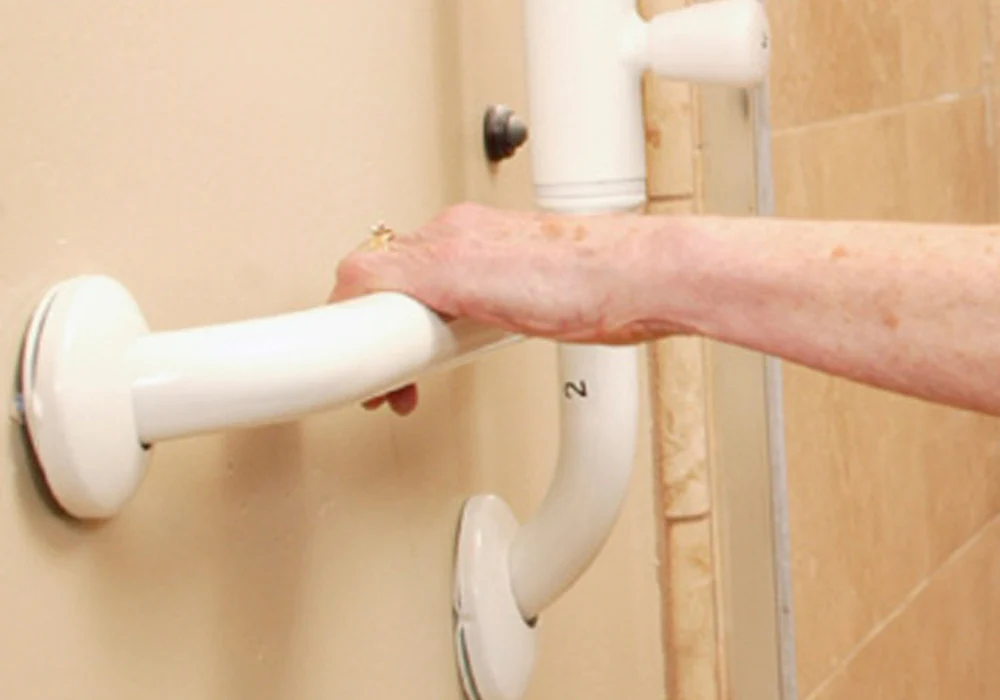
- Install grab bars near the toilet and in the shower or tub. For step-by-step installation tips, refer to this grab bar installation guide.
- Add non-slip mats or adhesive strips in the tub and on the floor.
- Use a raised toilet seat or toilet safety rails for added support.
- Opt for a walk-in shower or tub with a low threshold and a built-in seat.
- Ensure faucets and shower controls are easy to operate.
For more ideas, explore bathroom safety features every senior should consider and bathroom accessibility upgrades that make a difference.

Lighting and Visibility Improvements
Proper lighting is a simple yet powerful way to make a home safer for seniors. As vision changes with age, shadows and dim areas can become hazardous. Here are some effective strategies:
- Use bright, even lighting throughout the home, especially in hallways, stairs, and bathrooms.
- Install motion-sensor lights for automatic illumination at night.
- Choose bulbs with a high color rendering index (CRI) to improve visibility.
- Reduce glare by using lampshades and diffused fixtures.
These changes not only reduce the risk of falls but also make daily tasks like reading and cooking easier.
Preventing Falls and Promoting Mobility
Falls are a leading cause of injury among older adults. Addressing fall risks is a core part of creating an age friendly home environment. Here are some tips to enhance mobility and minimize hazards:
- Remove clutter and keep walkways clear.
- Secure rugs with non-slip backing or remove them entirely.
- Arrange furniture to allow for easy movement, especially for those using walkers or wheelchairs.
- Consider installing ramps or threshold bridges for wheelchair access.
- Encourage the use of mobility aids as needed.
For a deeper understanding of risks, see understanding fall risks in older adults.
Technology and Smart Home Solutions
Modern technology can further support seniors’ independence and safety. Consider integrating:
- Medical alert systems for emergency assistance.
- Smart thermostats and lighting controls for easy adjustments.
- Video doorbells and security cameras for added peace of mind.
- Voice-activated assistants to help with reminders and communication.
Maintaining Comfort and Well-Being
Beyond safety and accessibility, comfort is essential for a positive living experience. Here are some ways to foster well-being at home:
- Ensure good ventilation and temperature control.
- Use soft, supportive furnishings.
- Incorporate familiar décor and personal items to create a sense of belonging.
- Encourage social interaction and engagement with hobbies or activities.
These touches help seniors feel at ease and maintain their emotional health.
Frequently Asked Questions
What are the most important modifications for a senior-friendly home?
The most impactful changes include installing grab bars in bathrooms, improving lighting, removing tripping hazards, and ensuring that key areas like the kitchen and bedroom are easily accessible. Small adjustments, such as using lever handles and non-slip mats, also make a big difference.
How can I make a bathroom safer for an older adult?
Focus on adding grab bars, non-slip surfaces, and raised toilet seats. Consider a walk-in shower with a seat and handheld showerhead. For more ideas, visit resources on bathroom safety solutions for multigenerational homes.
Are there affordable ways to improve home safety for seniors?
Yes, many effective solutions are budget-friendly. Installing nightlights, securing rugs, rearranging furniture, and adding inexpensive grab bars can all enhance safety without major renovations.
Conclusion
Adapting a home for older adults is a thoughtful process that balances safety, accessibility, and comfort. By following the strategies outlined in this article, you can help create a space where seniors feel secure and empowered to live independently. Remember, even small changes can have a lasting impact on well-being and peace of mind.