
Falls are a leading cause of injury among older adults, but many of these incidents can be prevented with thoughtful changes to the living environment. Creating a fall resistant home is a practical step that helps seniors maintain independence, confidence, and safety as they age. By addressing common hazards and making targeted improvements, families can significantly reduce the risk of falls and promote a healthier, more secure lifestyle for their loved ones.
Whether you’re a caregiver, a family member, or a senior looking to age in place, understanding how to adapt a home for safety is essential. From simple decluttering to installing specialized equipment, each adjustment plays a crucial role in minimizing risks. For a comprehensive approach, consider reviewing the aging in place home improvement checklist to ensure all aspects of the home are covered.

Why Fall Prevention Matters for Seniors
As people age, physical changes such as reduced balance, vision problems, and slower reflexes can increase the likelihood of falling. The consequences of a fall can be severe, ranging from minor bruises to fractures or even long-term disability. By focusing on fall prevention strategies at home, families can help seniors avoid unnecessary hospital visits and maintain a higher quality of life.
Understanding the specific risks in each room and addressing them proactively is a key part of this process. For more detailed insights into the causes and consequences of falls, see understanding fall risks in older adults.
Assessing the Home: Identifying Hazards and Priorities
The first step in making a residence safer is a thorough assessment. Walk through each area, paying close attention to:
- Loose rugs or carpets that could slip
- Cluttered walkways and furniture placement
- Poor lighting, especially in hallways and staircases
- Slippery bathroom surfaces
- Unstable chairs or tables
- Lack of sturdy handrails or grab bars
Document any issues you find and prioritize them based on the level of risk. Often, small changes—like moving cords out of pathways or adding nightlights—can have a big impact.
Key Upgrades for a Safer Living Space
After identifying hazards, focus on practical improvements that support fall resistance for seniors. Here are some of the most effective upgrades:
1. Improve Lighting Throughout the Home
Good visibility is essential for preventing trips and stumbles. Replace dim bulbs with brighter, energy-efficient LEDs, and ensure that all rooms, hallways, and entryways are well-lit. Consider motion-sensor lights for added convenience, especially at night.
2. Secure Flooring and Remove Obstacles
Loose rugs, uneven tiles, and cluttered floors are common culprits in household falls. Use non-slip mats in key areas, secure carpets with double-sided tape, and keep walkways clear of unnecessary items. If possible, opt for low-pile carpeting or smooth, slip-resistant flooring materials.
3. Add Supportive Features in Bathrooms
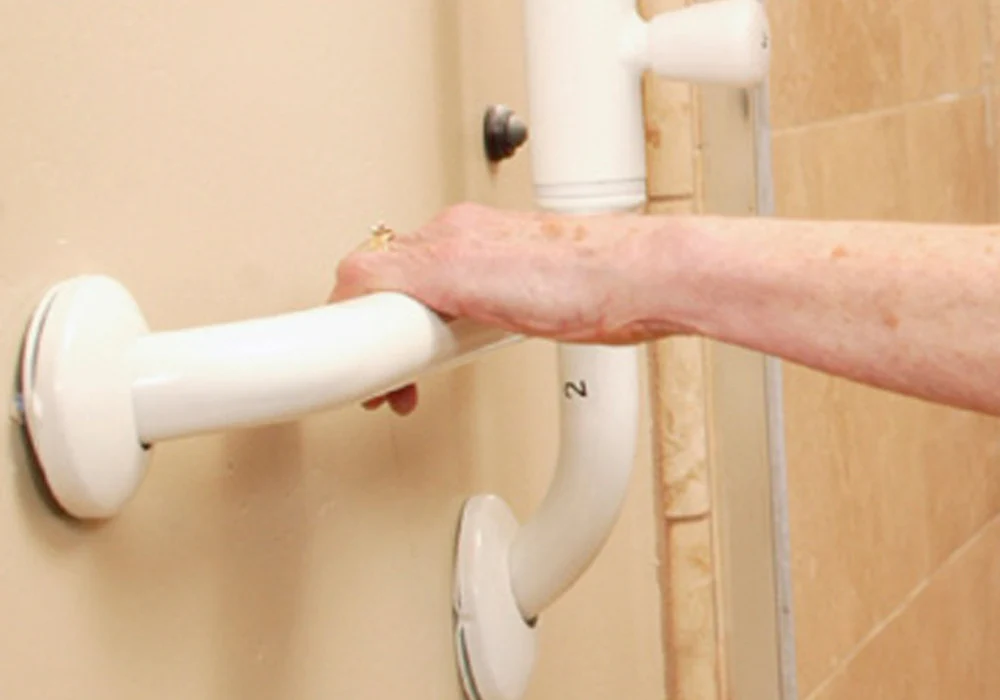
Bathrooms are among the most hazardous areas for older adults. Install grab bars near toilets and inside showers or tubs to provide extra stability. For guidance on proper installation, refer to this step-by-step grab bar installation guide. Non-slip mats and raised toilet seats can also make a significant difference in safety.

For more ideas on making bathrooms safer and more accessible, explore bathroom accessibility upgrades that make a difference.
4. Install Handrails and Ramps Where Needed
Stairways and entry steps are high-risk areas for falls. Ensure that all stairs have sturdy handrails on both sides. If mobility is a concern, consider adding ramps with non-slip surfaces at entrances. These features not only reduce fall risk but also make it easier for seniors to move around independently.
5. Organize Furniture for Clear Pathways
Arrange furniture to create wide, unobstructed paths throughout the home. Avoid sharp corners and unstable pieces that could tip over. Place frequently used items within easy reach to minimize the need for stretching or climbing.
Daily Habits and Ongoing Maintenance
Maintaining a fall resistant environment is an ongoing process. Encourage seniors to wear supportive footwear, keep floors dry, and use mobility aids as needed. Regularly check for new hazards, such as frayed rugs or burnt-out lights, and address them promptly. Family members and caregivers should also review the home periodically to ensure all safety measures remain effective.
For a broader look at how to support independence and safety, see senior mobility and confidence at home and best practices for aging in place.
Frequently Asked Questions
What are the most important areas to address when making a home safer for seniors?
Focus on high-traffic areas such as bathrooms, stairways, and hallways. Ensure these spaces have adequate lighting, secure flooring, and supportive features like grab bars and handrails. Removing clutter and keeping walkways clear is also essential.
How can I help a loved one accept changes to their home for fall prevention?
Involve seniors in the decision-making process and explain the benefits of each modification. Emphasize that these changes are designed to support their independence and well-being. Start with small adjustments and gradually introduce more significant upgrades as needed.
Are there professional services that can help with home safety assessments?
Yes, occupational therapists and certified aging-in-place specialists can provide comprehensive home safety evaluations. They offer personalized recommendations based on the individual’s needs and can assist with planning and implementing modifications.
Conclusion
Reducing fall risks at home is a proactive way to protect seniors and support their desire to age comfortably and safely. By assessing hazards, making targeted improvements, and maintaining a vigilant approach, families can create a living environment that fosters confidence and independence. Use the resources and strategies outlined in this article to start building a safer home today.