
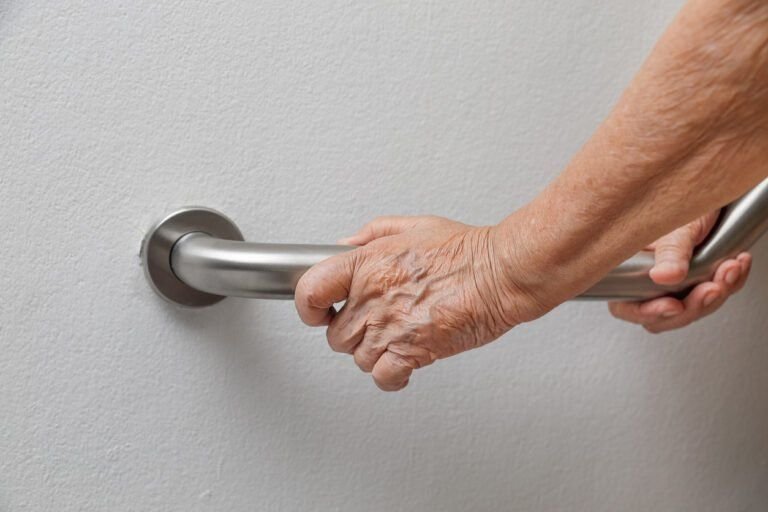
Supporting loved ones with mobility challenges or age-related limitations often means addressing one of the most hazardous areas in the home: the bathroom. For caregivers, ensuring a safe and accessible environment is essential for reducing fall risks and promoting independence. This guide highlights caregiver resources for bathroom safety, practical compliance tips, and trusted solutions to help you create a secure space for those in your care.
From understanding grab bar installation to choosing the right safety features, caregivers can benefit from a range of tools and information. For a comprehensive approach, consider reviewing the aging in place home improvement checklist to identify additional modifications that may benefit your household.
Why Bathroom Safety Matters for Caregivers
The bathroom is a common site for slips and falls, especially for seniors and individuals with disabilities. Wet surfaces, tight spaces, and the need to transfer in and out of bathtubs or onto toilets increase the risk of injury. As a caregiver, your role includes identifying these hazards and implementing solutions that foster both safety and dignity.
Falls can have serious consequences, leading to hospitalizations, loss of independence, and long-term health complications. By prioritizing bathroom safety resources, caregivers can help prevent accidents and provide peace of mind for families.
Essential Tools and Equipment for Safer Bathrooms
Equipping the bathroom with the right tools is a cornerstone of effective caregiving. Here are some of the most recommended products and modifications:
- Grab Bars: Securely installed grab bars near toilets, showers, and tubs offer stability and support during transfers.
- Non-Slip Mats: Placing anti-slip mats inside and outside the shower or tub can reduce the risk of slipping on wet surfaces.
- Raised Toilet Seats: These make it easier for individuals with limited mobility to sit and stand safely.
- Shower Chairs or Benches: Providing a stable seat in the shower helps those who cannot stand for long periods.
- Handheld Showerheads: Adjustable showerheads make bathing easier for both the caregiver and the person receiving care.
For more detailed recommendations, explore bathroom safety solutions for multigenerational homes, which covers modifications suitable for households with varying needs.
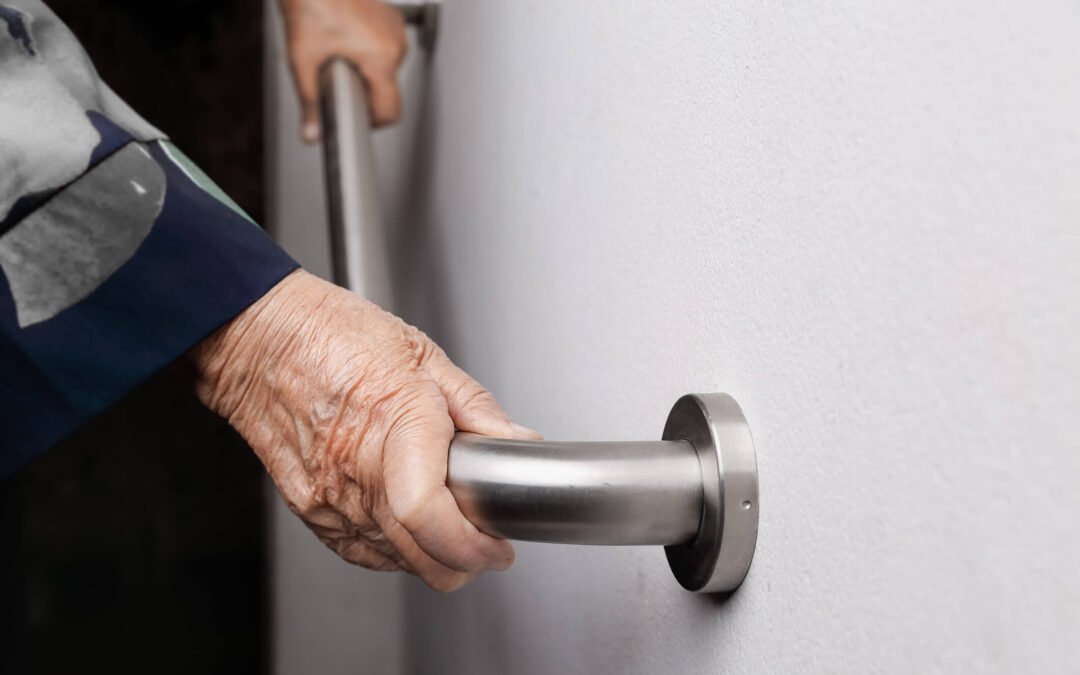
Compliance and Best Practices for Caregiver Bathroom Modifications
Ensuring that bathroom modifications meet safety standards is crucial. Compliance not only protects the person receiving care but also shields caregivers from liability. Here are some best practices:
- Follow ADA Guidelines: The Americans with Disabilities Act (ADA) provides specifications for grab bar placement, toilet height, and clear floor space. While not all homes must meet ADA standards, following these guidelines ensures maximum safety and accessibility.
- Professional Installation: Securely mounting grab bars and other equipment is essential. Improper installation can lead to equipment failure and injury. Consider hiring a professional or consulting detailed guides on proper installation.
- Regular Maintenance: Check all safety equipment periodically for signs of wear, looseness, or damage. Replace or repair as needed to maintain a safe environment.
For more on making bathrooms accessible, see bathroom accessibility upgrades that make a difference, which outlines practical steps for compliance and user comfort.
Choosing and Installing Grab Bars: A Key Resource for Caregivers
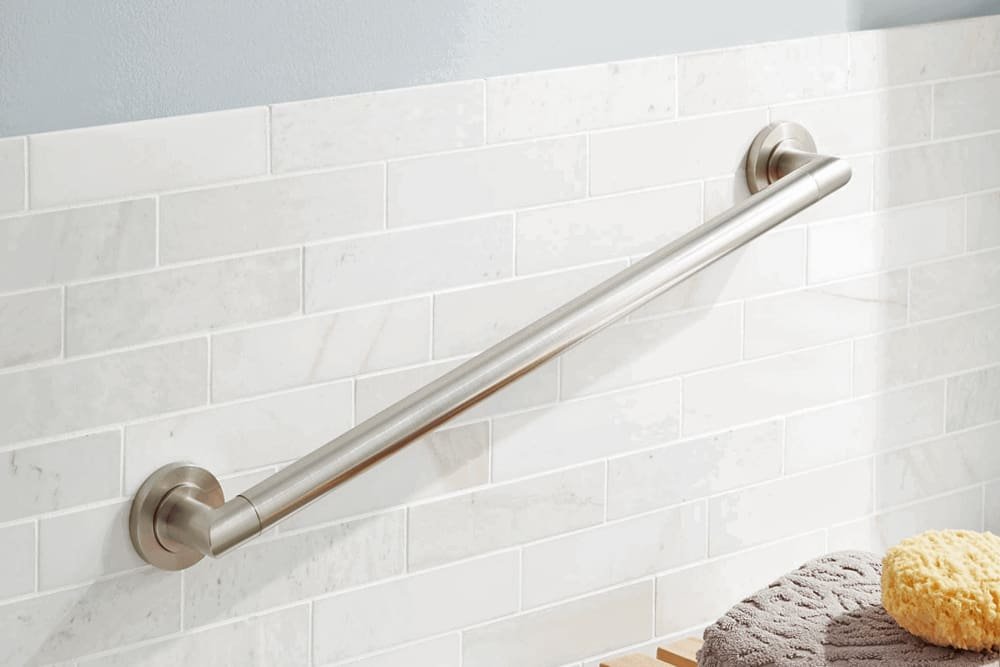
Grab bars are among the most effective tools for preventing falls in the bathroom. When selecting grab bars, consider the following:
- Material: Stainless steel and heavy-duty plastic are durable and easy to clean.
- Length and Diameter: Choose a length that fits the space and a diameter that is easy to grip for the user.
- Placement: Install bars near the toilet, inside the shower or tub, and at entry/exit points. Horizontal, vertical, and angled installations each serve different needs.
For a detailed overview of options and installation tips, visit this comprehensive guide to grab bars for elderly individuals. Properly installed grab bars can make a significant difference in daily routines and overall safety.
Additional Caregiver Resources and Support
Beyond physical modifications, caregivers can access a variety of educational and community-based resources. Many local agencies on aging, occupational therapists, and nonprofit organizations offer:
- Home safety assessments
- Product recommendations and demonstrations
- Workshops on fall prevention and safe transfer techniques
- Support groups for caregivers
To further enhance your knowledge, review understanding fall risks in older adults for insights into risk factors and prevention strategies. Staying informed empowers caregivers to make confident decisions and advocate for their loved ones’ well-being.
Integrating Safety Features for Seniors and Multigenerational Households
When caring for older adults or individuals with disabilities, integrating multiple safety features can create a holistic approach to bathroom safety. Consider combining grab bars, non-slip flooring, accessible showers, and adequate lighting. For families with members of different ages and abilities, review bathroom safety features every senior should consider to ensure your modifications meet a wide range of needs.
Regularly reassess the bathroom environment as needs change. Involving the person receiving care in decisions about modifications can also increase comfort and acceptance of new equipment.
FAQ
What are the most important bathroom safety features for caregivers to install?
The most critical features include grab bars near toilets and showers, non-slip mats, raised toilet seats, and adequate lighting. These elements help prevent falls and make daily routines safer for both caregivers and those they support.
How can caregivers ensure bathroom modifications are compliant with safety standards?
Following ADA guidelines, using professional installation services, and regularly inspecting equipment are key steps. Consulting with occupational therapists or home safety experts can provide additional assurance that modifications meet recommended standards.
Where can caregivers find more information and support for bathroom safety?
Caregivers can access resources from local agencies on aging, nonprofit organizations, and online guides. Reviewing articles like bathroom accessibility upgrades that make a difference and seeking advice from healthcare professionals can help caregivers stay informed about the latest products and best practices.
By utilizing caregiver resources for bathroom safety, staying proactive with modifications, and seeking ongoing education, caregivers can create a safer, more comfortable environment for their loved ones.