
In an emergency, clear and reliable visibility can be the difference between a safe escape and dangerous confusion. Lighting for fire safety is a critical aspect of home and building design, ensuring that pathways, exits, and hazards are visible even when smoke, power outages, or panic threaten to obscure them. Whether you’re a homeowner, property manager, or simply looking to improve your family’s safety, understanding the role of specialized lighting systems is essential.
This article explores how to enhance indoor escape routes with effective illumination, the types of fixtures that make a real difference, and practical steps for integrating these solutions into your living spaces. For those interested in broader home safety upgrades, you may also want to review walk-in shower grab bar weight ratings to ensure comprehensive support throughout your home.
Why Proper Lighting Matters in Emergencies
During a fire, visibility can rapidly deteriorate due to smoke, darkness, or power failure. In these moments, lighting for fire safety becomes a lifeline. Emergency lights, illuminated exit signs, and well-placed pathway fixtures help guide occupants to safety, reduce panic, and minimize the risk of injury from obstacles or falls.
Many building codes now require emergency lighting in commercial and multi-family residential spaces, but even single-family homes benefit from thoughtful illumination. The right setup ensures that everyone, including children and older adults, can find their way out quickly and safely.
Key Types of Fire Safety Lighting for Indoor Spaces
Not all lighting is created equal when it comes to emergencies. Here are the most effective options for improving escape visibility indoors:
- Emergency Lighting Units: These battery-powered fixtures automatically switch on during power outages, providing consistent illumination along escape routes and stairwells.
- Illuminated Exit Signs: Clearly marked exits are essential. Modern LED exit signs are bright, energy-efficient, and visible even through moderate smoke.
- Pathway and Stair Lighting: Low-level lights installed along baseboards, hallways, and stairs help guide people out, reducing trip hazards when visibility is poor.
- Motion-Activated Night Lights: These are especially useful in bedrooms, bathrooms, and corridors, providing instant light if someone gets up during an emergency.
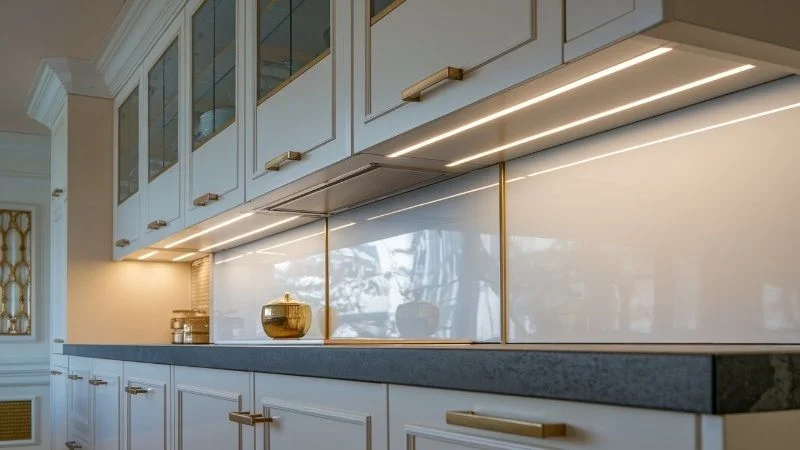
- Under-Cabinet and Task Lighting: In kitchens and utility areas, well-placed task lights can help illuminate potential hazards and provide extra visibility during an evacuation.
Best Practices for Installing Lighting That Supports Fire Safety
To maximize the effectiveness of your indoor emergency lighting, consider these practical recommendations:
- Map Your Escape Routes: Identify all possible exit paths and ensure each is well-lit from every occupied room to the outdoors.
- Install Battery-Backed Fixtures: Choose lights that automatically operate during power loss, such as LED emergency units or backup-enabled downlights.
- Use Consistent Color Temperatures: Uniform lighting color helps reduce confusion and makes it easier to spot exits and hazards.
- Position Lights Low to the Ground: Smoke rises, so low-mounted pathway lights remain visible longer during a fire.
- Test Regularly: Check batteries and functionality at least twice a year to ensure everything works when needed.
For more on selecting the right types of fixtures for your home, see this comprehensive guide to residential lighting types.
Integrating Fire Safety Lighting With Everyday Living
A well-lit home doesn’t have to look clinical or disrupt your décor. Many modern lighting for fire safety solutions are designed to blend seamlessly with your interior style while providing critical protection. For example, recessed LED downlights offer both everyday ambiance and emergency backup, while discreet motion sensor night lights can be placed in bedrooms or hallways without being obtrusive.
Under-cabinet lights in kitchens and utility rooms not only improve daily task visibility but also help illuminate escape routes in an emergency. When planning upgrades, look for fixtures that combine style, efficiency, and safety features.

Additional Considerations for Accessible and Safe Lighting
When designing for safety, it’s important to consider the needs of all occupants. For older adults or those with mobility challenges, clear and consistent lighting is especially important. Combining lighting for fire safety with other accessibility features—like sturdy handrails or walk-in tub frame construction types—creates a safer environment for everyone.
Regularly review your home’s lighting plan as your needs change. Upgrading to LED fixtures with longer lifespans and lower maintenance requirements can provide peace of mind and reduce the risk of failure during an emergency.
FAQ: Indoor Lighting and Fire Safety
What is the most important type of lighting for fire emergencies?
The most critical fixtures are battery-backed emergency lights and illuminated exit signs. These ensure that escape routes remain visible during power outages and through smoke, guiding occupants safely out of the building.
How often should I test my emergency lighting?
It’s recommended to test all emergency and backup lighting at least twice a year. Replace batteries as needed and confirm that each fixture operates correctly during simulated power failures.
Can I use standard household lights for fire safety?
While standard lights contribute to general visibility, they are not a substitute for dedicated emergency fixtures. Specialized units with battery backup and low-level pathway lighting are designed specifically to function during outages and in smoky conditions.
Are there stylish options for safety lighting?
Yes, many modern products combine safety features with attractive designs. Recessed LEDs, slimline under-cabinet lights, and discreet motion sensor night lights can all enhance both the look and safety of your home.
Where should I install motion sensor night lights?
Place them in bedrooms, hallways, bathrooms, and near stairs—anywhere someone might need to move quickly in low light. These lights activate automatically, providing instant illumination during emergencies.