
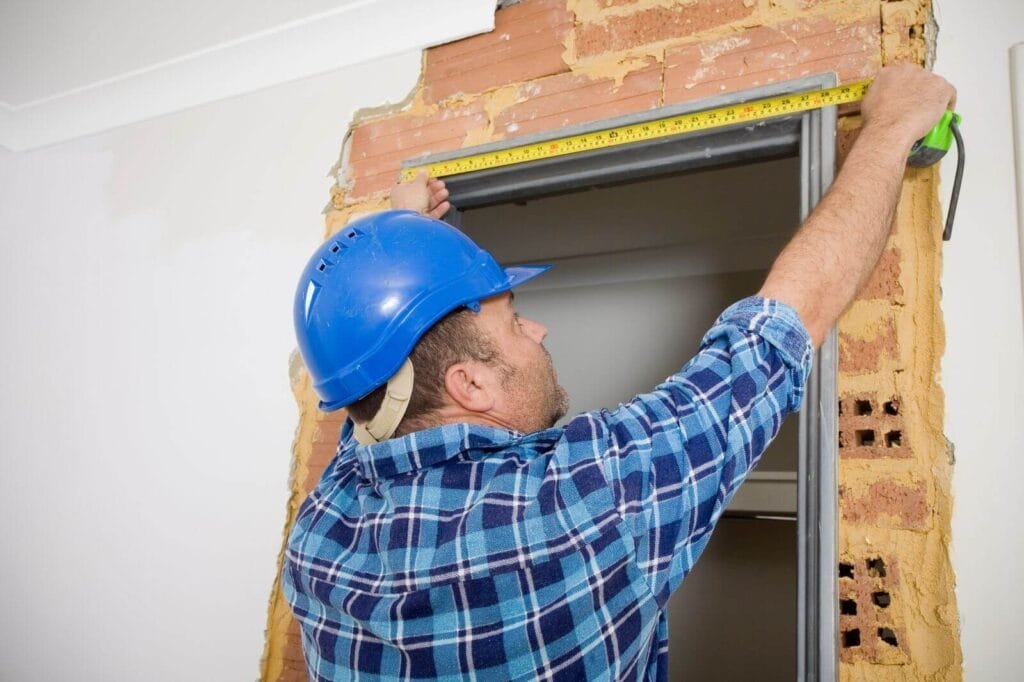
Maintaining a safe and comfortable home is essential for older adults who wish to age in place. However, the cost and complexity of home repairs can be overwhelming, especially for those on a fixed income. Senior home repair volunteer programs offer a practical solution by connecting older adults with volunteers who can help with essential repairs and modifications. These initiatives not only improve living conditions but also foster community connections and independence.
If you or a loved one are exploring ways to make a home safer and more accessible, understanding how these volunteer-driven services work can be invaluable. Alongside hands-on help, there are also resources like home improvement tax credits for elderly that can further ease the financial burden of maintaining a safe living environment.
How Volunteer-Based Senior Home Repair Services Work
Volunteer organizations dedicated to home repairs for older adults typically recruit skilled and unskilled helpers from the community. These groups assess the needs of local seniors, prioritize urgent repairs, and coordinate workdays where volunteers complete projects at no or low cost to the homeowner. The focus is often on health, safety, and accessibility improvements, such as fixing leaks, installing grab bars, or repairing steps.
Many of these programs are run by nonprofits, faith-based groups, or local government agencies. They may partner with other community resources to maximize their impact. Eligibility requirements and the scope of services vary, so it’s important to contact local organizations to learn about specific offerings in your area.
Types of Repairs and Modifications Offered
The range of services provided by volunteer home repair programs for seniors is broad, but most focus on essential fixes that directly impact safety and quality of life. Common projects include:
- Repairing or replacing steps, handrails, and ramps
- Installing grab bars in bathrooms and hallways
- Fixing leaky faucets, toilets, or plumbing issues
- Replacing broken windows or doors
- Improving lighting and electrical safety
- Weatherproofing and minor roof repairs
- Addressing trip hazards, such as loose carpets or uneven floors
Some organizations also help with larger projects, like building wheelchair ramps or making structural modifications for accessibility. For more specialized needs, such as walk in tub assistance programs, additional resources may be available.
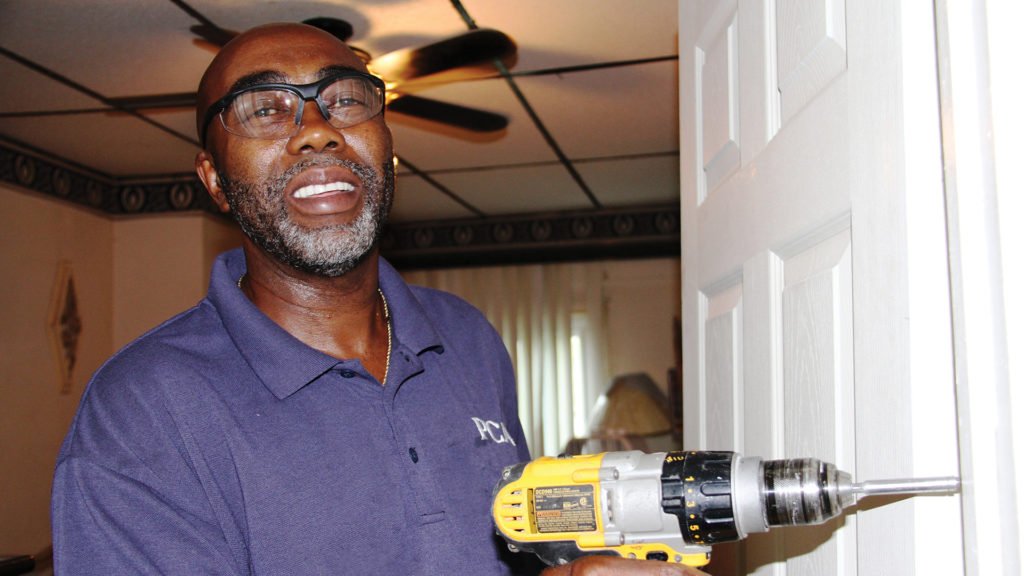
Benefits of Participating in Community Repair Initiatives
Engaging with senior home repair volunteer programs brings a variety of advantages beyond the immediate repair work. These include:
- Enhanced safety: Addressing hazards reduces the risk of falls and injuries.
- Increased independence: Modifications like grab bars or ramps help older adults remain self-sufficient.
- Cost savings: Volunteer labor significantly lowers or eliminates the expense of repairs.
- Social connection: Interactions with volunteers can reduce isolation and foster a sense of community.
- Peace of mind: Knowing that the home environment is secure and well-maintained offers reassurance to both seniors and their families.
For those looking to further enhance safety, consider exploring bedroom safety improvements for seniors and toilet safety rails for elderly as complementary measures.
How to Find Local Senior Home Repair Volunteer Programs
Locating the right volunteer service starts with a bit of research. Here are some effective ways to connect with available programs:
- Contact your local Area Agency on Aging or senior center for referrals.
- Search online for nonprofit organizations specializing in home repairs for older adults.
- Ask at places of worship or community groups, as many operate their own repair ministries.
- Check with city or county housing departments for government-sponsored initiatives.
- Review resources like the guide to free home repair for senior citizens for additional ideas and contacts.
When reaching out, be prepared to provide details about the needed repairs, your location, and any special requirements. Many programs have waiting lists or prioritize urgent safety issues.

Tips for Getting the Most Out of Volunteer Repair Services
To ensure a smooth experience with volunteer home repair programs for seniors, consider the following tips:
- Document all needed repairs and prioritize the most urgent issues.
- Gather any paperwork required to verify eligibility, such as proof of age or income.
- Communicate clearly with program coordinators about your needs and schedule.
- Be flexible with timing, as volunteers often work on weekends or specific days.
- Express appreciation to volunteers—kind words and gratitude go a long way.
After repairs are complete, consider requesting a home safety inspection for seniors to identify any additional improvements that could further enhance your living environment.
Frequently Asked Questions
Who is eligible for volunteer-based home repair services?
Most programs are designed for older adults, typically age 60 or above, who have limited income or face physical challenges that make home maintenance difficult. Some organizations may have additional criteria based on location, disability status, or urgency of need.
What types of repairs are usually covered?
Services focus on health, safety, and accessibility. Common repairs include fixing steps, installing grab bars, repairing plumbing or electrical issues, and making minor structural modifications. Cosmetic improvements or large-scale renovations are generally not included.
How long does it take to receive help after applying?
Wait times vary depending on demand, the availability of volunteers, and the urgency of the repair. Emergency safety issues are often prioritized, but non-urgent requests may take several weeks or longer to schedule.
Conclusion
Volunteer-driven home repair initiatives play a vital role in helping older adults live safely and independently. By addressing essential repairs and modifications, these programs reduce hazards, boost confidence, and foster meaningful community connections. Whether you’re seeking help for yourself or a loved one, taking advantage of these resources can make a significant difference in quality of life.
For additional support, explore related resources on this site, such as home improvement tax credits for elderly and practical guides to home safety upgrades.