
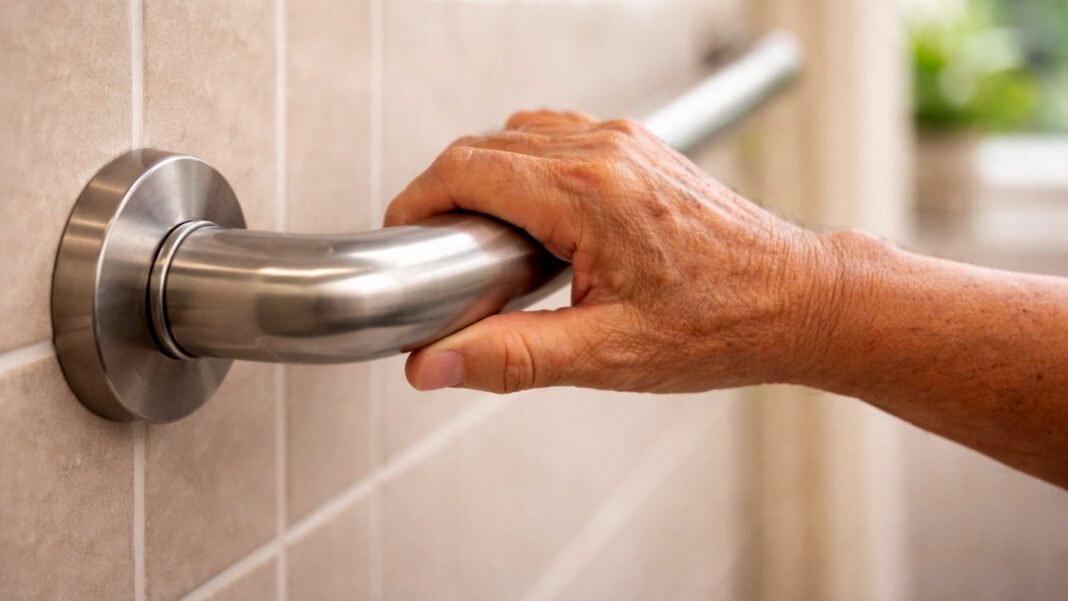
For many older adults, the bathroom can be one of the most hazardous areas in the home. Limited space, slippery surfaces, and awkward layouts often increase the risk of falls and injuries. Making small bathrooms safer for seniors doesn’t have to require a major renovation or a large investment. With the right strategies and affordable products, you can transform a compact bathroom into a much safer and more accessible space for aging family members.
This guide explores practical, budget-friendly solutions to reduce fall risks, improve mobility, and boost confidence for seniors using small bathrooms. For a broader overview of home improvements that support aging in place, check out the aging in place home improvement checklist for seniors.
Why Bathroom Safety Is Essential for Older Adults
Bathrooms are frequently cited as the most dangerous room for seniors. Slippery tiles, tight quarters, and hard surfaces all contribute to a higher likelihood of falls and injuries. According to the CDC, falls are a leading cause of injury among older adults, and many of these incidents occur in the bathroom. Prioritizing bathroom safety for seniors is crucial for maintaining independence and peace of mind.
Even small changes can have a significant impact. Simple upgrades and thoughtful adjustments can help seniors feel more secure and reduce the risk of accidents in even the most compact bathrooms.
Affordable Upgrades for Safer Small Bathrooms
There are many cost-effective ways to enhance bathroom safety without a full remodel. Here are some practical solutions that focus on making small bathrooms safer for seniors:
Install Grab Bars and Handrails
One of the most effective ways to prevent falls is to install sturdy grab bars near the toilet, shower, and bathtub. These bars provide reliable support when standing, sitting, or moving between fixtures. For more information on how grab bars can improve safety, see this guide to grab bars for seniors in assisted living.
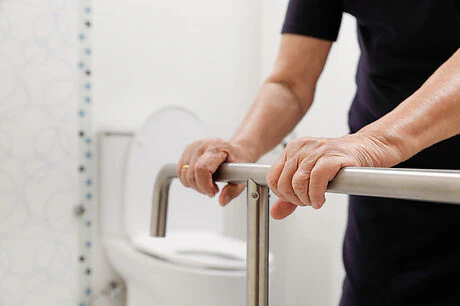
When choosing grab bars, look for models that can be securely anchored into wall studs. Some options are designed for easy installation and removal, making them ideal for renters or temporary needs. Place grab bars in locations where seniors most often need support, such as beside the toilet and inside the shower.
Use Non-Slip Mats and Flooring Solutions
Slippery floors are a leading cause of bathroom falls. Place non-slip mats both inside and outside the shower or tub, and consider adhesive non-slip strips for tile or vinyl flooring. These affordable products provide extra traction and are easy to clean. Make sure mats are low-profile to prevent tripping hazards.
Improve Lighting and Visibility
Poor lighting can make it difficult for seniors to see obstacles and navigate safely. Install bright, energy-efficient LED bulbs in overhead fixtures and consider adding motion-sensor night lights. Good lighting is especially important for nighttime bathroom visits and for seniors with impaired vision.
Optimize Space and Reduce Clutter
In small bathrooms, clutter can quickly become a safety hazard. Keep pathways clear by removing unnecessary items and using wall-mounted storage solutions. Store toiletries, cleaning supplies, and other essentials in easy-to-reach locations to minimize bending or stretching.
Upgrade Toilet Safety Features
Standard toilets can be difficult for seniors to use, especially for those with limited mobility. Installing raised toilet seats or safety rails can make sitting and standing much easier. These upgrades are affordable, easy to install, and can be removed if needed.
Additional Tips for Budget-Friendly Bathroom Safety
- Keep essentials within reach: Use suction-cup baskets or wall-mounted shelves for soap, shampoo, and towels.
- Install a handheld showerhead: This allows seniors to sit while showering and reduces the risk of slipping.
- Choose lever-style faucets: These are easier to operate than traditional knobs, especially for those with arthritis.
- Regularly check for hazards: Inspect for loose tiles, wet spots, or worn-out mats and replace them as needed.
For more ideas on accessible upgrades, see bathroom accessibility upgrades that make a difference and learn how simple changes can enhance safety and comfort.
Understanding Fall Risks and Prevention Strategies
Falls are not only caused by environmental hazards but also by health factors such as poor balance, muscle weakness, or vision problems. It’s important to address both the physical space and the individual needs of the senior. For a deeper look at risk factors, review understanding fall risks in older adults and consider consulting a healthcare provider for personalized recommendations.
Encourage seniors to wear non-slip footwear, maintain regular exercise routines to improve strength, and keep up with vision and hearing checkups. These steps, combined with bathroom modifications, can significantly reduce the likelihood of accidents.
Maintaining Independence and Confidence at Home
Small bathroom safety improvements help seniors remain independent and confident in their daily routines. By removing obstacles and adding supportive features, you create an environment where older adults can take care of themselves with less worry. For more insights on empowering seniors at home, explore senior mobility and confidence at home.
Remember, the goal is to make the bathroom not only safer but also more comfortable and user-friendly. Even modest investments can yield significant benefits for quality of life.
Frequently Asked Questions
What are the most important safety features for a small bathroom used by seniors?
The most critical features include securely installed grab bars, non-slip mats, adequate lighting, and toilet safety rails. These elements address the highest risk areas and can be added without major renovations.
How can I make a small bathroom safer for an elderly person without spending a lot?
Focus on affordable upgrades like adhesive non-slip strips, suction-cup grab bars, raised toilet seats, and motion-sensor night lights. Decluttering and organizing the space also make a big difference at little to no cost.
Are there any resources for planning bathroom safety upgrades for seniors?
Yes, you can refer to the aging in place home improvement checklist for a comprehensive overview. For bathroom-specific ideas, see bathroom accessibility upgrades that make a difference.
Conclusion
Enhancing safety in small bathrooms for seniors is both achievable and affordable. By focusing on high-impact, low-cost solutions such as grab bars, non-slip mats, improved lighting, and clutter reduction, you can create a safer environment that supports independence and well-being. Regularly assess the space for new hazards and keep up with maintenance to ensure ongoing safety. With the right approach, even the most compact bathroom can become a secure and comfortable space for aging loved ones.