
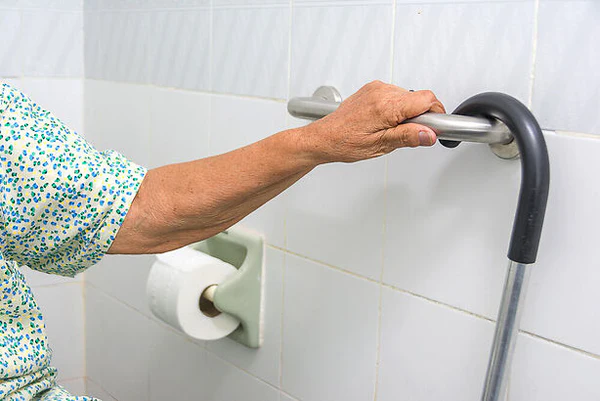
Maintaining independence at home is a priority for many older adults and individuals with mobility challenges. The bathroom, however, is one of the most common places where slips and falls occur. By incorporating essential bathroom safety products into your home, you can significantly reduce the risk of accidents and support a safer, more confident daily routine.
From grab bars to non-slip mats, there are a variety of solutions designed to make bathrooms more accessible and secure. Whether you’re planning for aging in place or supporting a loved one’s autonomy, understanding which products offer the most benefit is key. For a broader look at home improvements that support independence, see our aging in place home improvement checklist.
Why Bathroom Safety Matters for Independent Living
The bathroom’s hard surfaces, water, and confined spaces create a higher risk for falls and injuries. According to the CDC, a significant percentage of home accidents happen in this area, especially among seniors. Falls can lead to serious injuries, hospitalizations, and a loss of confidence in daily activities. By proactively installing bathroom safety solutions, you help ensure that everyone can use the space with greater ease and security.
For more insights into the causes and prevention of falls, our article on understanding fall risks in older adults offers practical advice and statistics.
Grab Bars: The Foundation of Bathroom Safety
One of the most important essential bathroom safety products is the grab bar. These sturdy supports can be installed near toilets, showers, and bathtubs to provide a stable handhold for sitting, standing, or moving around. Grab bars come in a variety of lengths and finishes to match your bathroom’s design while offering reliable support.
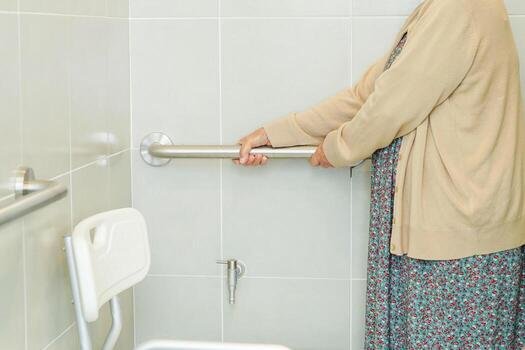
Properly installed grab bars are designed to support weight and reduce the risk of slipping. They are particularly helpful for individuals with limited strength or balance. For a detailed look at how these supports enhance safety and mobility, visit this guide on how bathroom grab bars enhance senior safety and mobility.
Toilet Safety Rails and Raised Seats
Getting on and off the toilet can be challenging for those with mobility limitations. Toilet safety rails provide sturdy armrests on either side of the toilet, making it easier and safer to sit and stand. Raised toilet seats can further reduce the distance needed to lower oneself, minimizing strain on the knees and hips.
These products are easy to install and can be adjusted or removed as needed. When choosing a solution, look for models that fit securely and offer non-slip grips for added security. Combining rails with a raised seat can make a significant difference in daily comfort and confidence.
Non-Slip Mats and Flooring Solutions
Slippery surfaces are a leading cause of bathroom accidents. Non-slip mats, both inside and outside the tub or shower, provide crucial traction. Look for mats with strong suction cups or textured surfaces that stay firmly in place even when wet. For a more permanent solution, consider upgrading to slip-resistant flooring as part of your bathroom accessibility upgrades that make a difference.
Other options include adhesive strips for tubs and showers, which offer a low-profile way to add grip without altering the look of your bathroom. Regularly check mats and strips for wear and replace them as needed to maintain effectiveness.
Shower Chairs and Transfer Benches
For those who have difficulty standing for long periods, shower chairs and transfer benches are invaluable. These essential bathroom safety products provide a stable, comfortable place to sit while bathing, reducing fatigue and the risk of falls. Transfer benches extend over the edge of the tub, allowing users to sit down outside the tub and slide over safely.
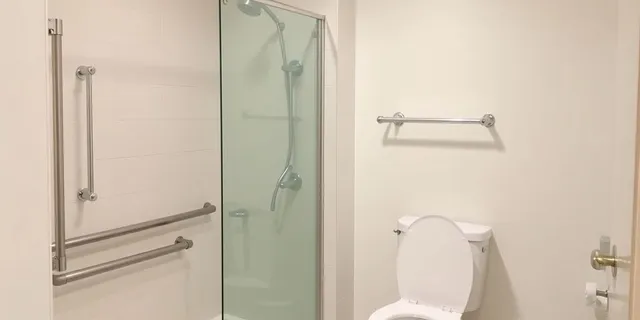
When selecting a shower chair, ensure it has non-slip feet and is height-adjustable to suit the user’s needs. Some models feature backrests and armrests for extra support. Regular cleaning and inspection are important to prevent mold and ensure continued safety.
Handheld Shower Heads and Easy-Access Controls
Handheld shower heads make bathing easier for those with limited mobility, allowing users to direct water where needed without standing or moving excessively. Look for models with long, flexible hoses and easy-to-use controls. Lever-style faucets are also easier to operate than traditional knobs, especially for those with arthritis or reduced hand strength.
These upgrades not only improve safety but also enhance comfort and independence in the bathroom. Pairing handheld showers with a sturdy chair or bench creates a more accessible bathing environment for everyone.
Additional Tips for a Safer Bathroom
- Keep pathways clear of clutter and loose rugs.
- Install adequate lighting, including night lights for nighttime visits.
- Store toiletries and towels within easy reach to avoid stretching or bending.
- Consider anti-scald devices to prevent burns from hot water.
For more strategies to support mobility and confidence at home, see our article on senior mobility and confidence at home.
Choosing and Installing Bathroom Safety Equipment
When selecting essential bathroom safety products, consider the specific needs of the user and the layout of the bathroom. Professional installation is recommended for grab bars and permanent fixtures to ensure they are securely anchored. Many products, such as mats and portable chairs, can be installed without tools, making them accessible for renters or those seeking temporary solutions.
Regularly inspect all safety equipment for signs of wear or damage, and replace items as needed. Involving the user in the selection process helps ensure the solutions are comfortable and meet their daily needs.
FAQ: Bathroom Safety for Independent Living
What are the most important bathroom safety products for seniors?
The most crucial items include grab bars, non-slip mats, toilet safety rails, raised toilet seats, and shower chairs. These products address the main hazards in the bathroom and support safe, independent use.
How do I know where to install grab bars?
Grab bars should be placed near the toilet, inside and outside the shower or tub, and anywhere extra support is needed for sitting, standing, or transferring. Consulting an occupational therapist or home safety specialist can help determine the best locations.
Are there solutions for renters who can’t make permanent changes?
Yes, many bathroom safety products are designed for temporary use, such as suction-cup grab bars, portable shower chairs, and non-slip mats. These options provide added safety without requiring permanent installation.
How often should safety equipment be checked or replaced?
Inspect all equipment regularly for signs of wear, rust, or instability. Mats and adhesive strips should be replaced if they lose grip, and grab bars should be checked to ensure they remain firmly anchored.
Investing in the right essential bathroom safety products can make a significant difference in maintaining independence and peace of mind. By taking proactive steps and choosing the right equipment, you help create a safer, more accessible home environment for yourself or your loved ones. For further ideas on creating a comfortable living space, explore our guide on best practices for aging in place.