
Falls are a leading cause of injury among older adults, but many incidents can be prevented with the right precautions. Understanding how to minimize hazards and support mobility is crucial for anyone caring for aging loved ones or planning to age in place. This article explores senior fall risk reduction strategies that are practical, effective, and accessible for most households.
From home modifications to daily routines, there are numerous ways to reduce the likelihood of falls. Implementing these methods not only helps prevent injuries but also supports independence and confidence for seniors. For a comprehensive approach to home safety, you may also want to review the aging in place home improvement checklist, which covers additional upgrades and tips for a safer living environment.
Why Fall Prevention Is Essential for Older Adults
Falls can lead to serious injuries such as fractures, head trauma, and loss of independence. According to the CDC, one in four Americans aged 65 and older falls each year. The consequences often extend beyond physical harm, affecting emotional well-being and overall quality of life. Preventing falls is not just about avoiding injury—it’s about preserving autonomy and dignity.
Many risk factors contribute to falls, including muscle weakness, poor balance, vision problems, and environmental hazards. Addressing these factors through targeted fall risk reduction strategies for seniors can make a significant difference. For a deeper understanding of why falls happen and who is most at risk, see understanding fall risks in older adults.
Home Modifications That Make a Difference
Simple changes in the home environment can dramatically decrease fall risks. Here are some effective adjustments:
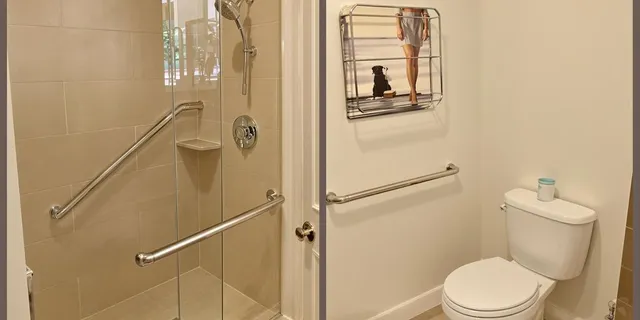
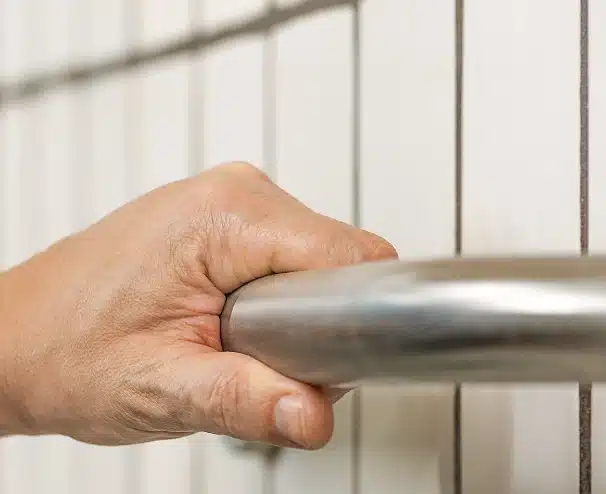
- Install grab bars in bathrooms and near stairs to provide support during transitions.
- Improve lighting in hallways, staircases, and entryways to reduce tripping hazards.
- Remove loose rugs and clutter from walkways.
- Use non-slip mats in the bathroom and kitchen.
- Ensure frequently used items are within easy reach to avoid the need for step stools.
For more ideas on making bathrooms safer, check out bathroom accessibility upgrades that make a difference.
Key Senior Fall Risk Reduction Strategies for Daily Life
Beyond home modifications, everyday habits play a vital role in fall prevention. Consider these approaches:
- Stay physically active with exercises that improve strength, balance, and flexibility. Activities like walking, tai chi, or gentle yoga can help maintain mobility.
- Schedule regular vision and hearing checks. Poor eyesight or hearing loss can increase the risk of tripping or missing hazards.
- Review medications with a healthcare provider. Some prescriptions may cause dizziness or drowsiness.
- Wear supportive, non-slip footwear both indoors and outdoors.
- Use assistive devices as recommended by professionals, such as canes or walkers.
For those seeking to enhance mobility and confidence at home, the article on senior mobility and confidence at home offers additional insights.
Bathroom Safety: A High-Priority Area
The bathroom is one of the most common places for falls due to slippery surfaces and tight spaces. Prioritizing safety in this area is essential. Some effective measures include:
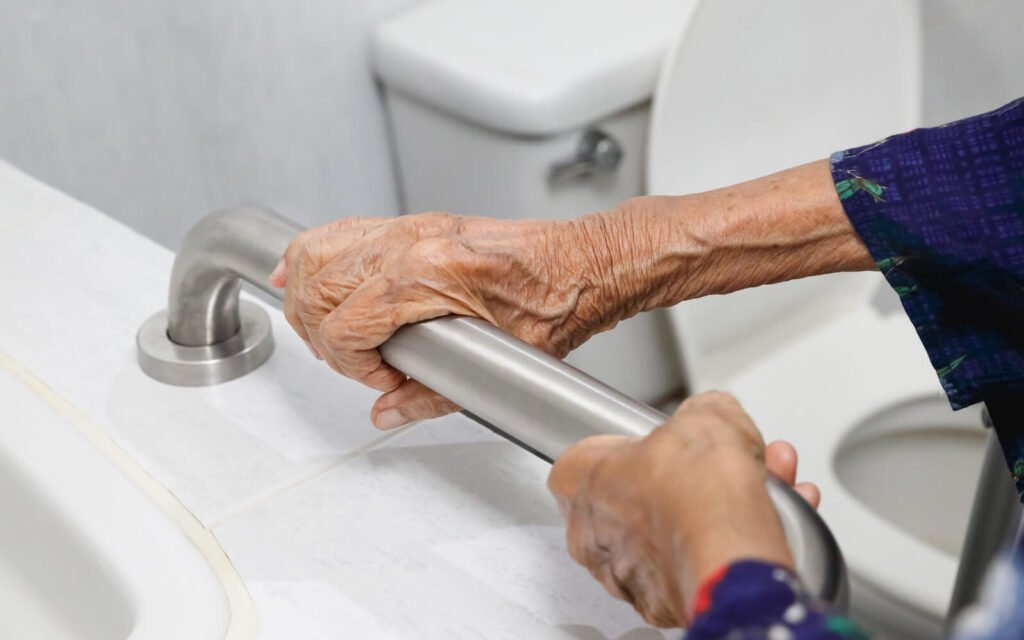
- Installing grab bars near the toilet and in the shower or bathtub. For guidance on placement, see these useful tips for where to install grab bars in your home.
- Using raised toilet seats or toilet safety rails for easier transfers.
- Adding non-slip mats inside and outside the shower or tub.
- Ensuring adequate lighting, especially for nighttime bathroom visits.
Supporting Independence While Reducing Risks
Empowering seniors to participate in their own safety planning is an important part of fall prevention. Encourage open conversations about mobility challenges and preferences. Involving older adults in decisions about home modifications and daily routines helps ensure solutions are both practical and welcomed.
Consider scheduling regular home safety assessments to identify new hazards as needs change. For broader strategies to enhance accessibility and well-being, the article on improving quality of life through accessibility provides further recommendations.
Checklist for Reducing Fall Risks at Home
Use this checklist to identify and address common hazards:
- Clear all walkways of clutter, cords, and loose rugs.
- Check that all rooms are well-lit, with light switches at entrances.
- Install handrails on both sides of stairs and in hallways if needed.
- Place frequently used items at waist level to avoid reaching or bending.
- Keep emergency contact numbers easily accessible.
Regularly reviewing and updating your home environment ensures that safety measures remain effective as circumstances change.
Frequently Asked Questions
What are the most effective ways to prevent falls in older adults?
The most effective methods include making home modifications such as installing grab bars, improving lighting, and removing tripping hazards. Encouraging regular physical activity, reviewing medications, and scheduling vision checks are also key components of fall prevention.
How can family members help reduce fall risks for seniors?
Family members can assist by conducting home safety assessments, helping with modifications, and supporting healthy routines. Open communication about mobility concerns and encouraging the use of assistive devices also play important roles.
Are grab bars necessary in every bathroom?
Grab bars are highly recommended in bathrooms, especially near the toilet and in the shower or tub. They provide essential support during transfers and can significantly reduce the risk of slipping and falling.