
As more older adults choose to remain in their own homes as they age, making thoughtful modifications becomes essential for safety, comfort, and independence. Having a clear aging in place home improvement checklist helps identify which changes can make daily living easier and reduce the risk of accidents. Whether you’re planning for yourself or supporting a loved one, understanding the most effective upgrades is the first step toward a safer, more accessible living environment.
Many seniors and their families are looking for practical advice on how to adapt homes for long-term living. This article outlines the most important home improvements to consider, from bathroom safety to lighting and mobility aids. For those interested in broader safety strategies, you may also find value in resources like home safety for elderly couples, which covers essential upgrades for shared living spaces.

Why a Home Modification Checklist Matters
Staying at home as we age offers familiarity and comfort, but it also requires proactive planning. A detailed checklist ensures that no critical safety or accessibility concern is overlooked. By systematically reviewing each area of the home, families can prioritize improvements based on individual needs and budget. This approach not only supports independence but also provides peace of mind for caregivers and loved ones.
Key Areas to Address for Safer Living
Every home is unique, but certain areas tend to pose the greatest risks for older adults. The following sections break down the most important spaces and the upgrades that can make a significant difference.
Bathroom Safety Upgrades
The bathroom is one of the most hazardous rooms for seniors due to slippery surfaces and tight spaces. Addressing these risks should be at the top of any aging in place home improvement checklist. Consider these essential modifications:
- Install grab bars near the toilet and inside the shower or tub to provide support and prevent falls.
- Use non-slip mats or adhesive strips in the shower and on bathroom floors.
- Replace traditional tubs with walk-in showers or tubs with low thresholds.
- Add a shower seat or bench for stability during bathing.
- Raise the toilet seat or add toilet safety rails for easier transfers.
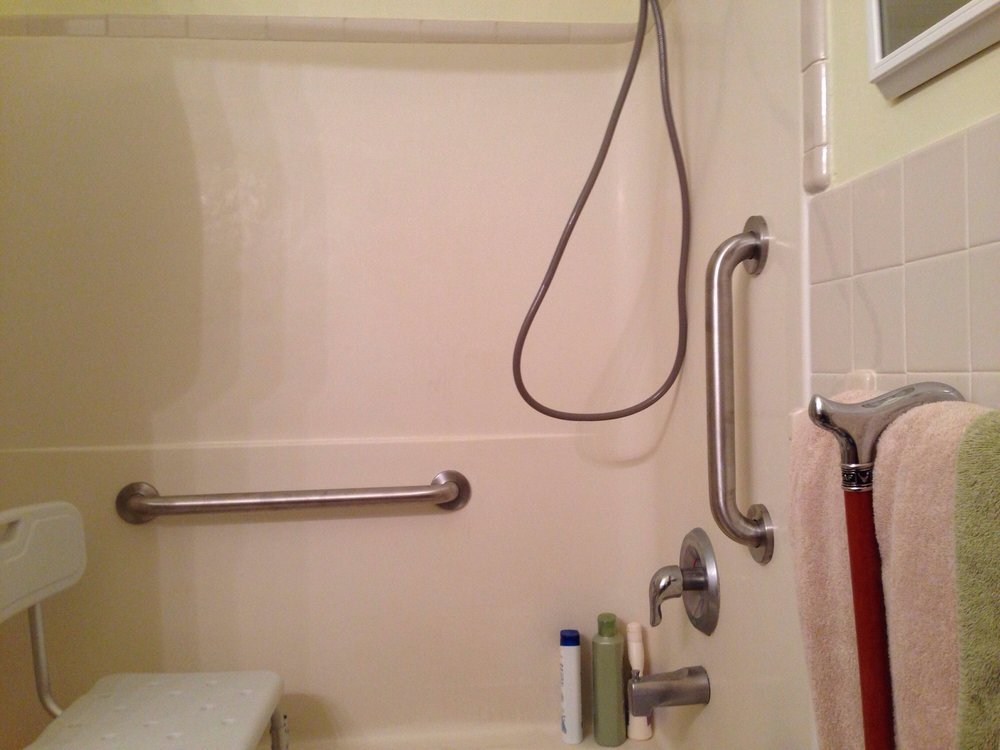
For a detailed overview of bathroom support options, the room-by-room guide to grab bars offers expert advice on placement and installation.
Improving Accessibility Throughout the Home
Mobility challenges can make navigating the home difficult, especially if there are stairs, narrow doorways, or uneven flooring. To enhance accessibility:
- Widen doorways to accommodate walkers or wheelchairs.
- Install ramps at entryways and eliminate steps where possible.
- Ensure floors are level and free from tripping hazards such as loose rugs or cords.
- Consider lever-style door handles and faucets for easier use.
- Arrange furniture to create clear, wide pathways.
For those comparing different types of mobility aids, the article on support rails vs other mobility aids can help determine the best solutions for your needs.
Lighting and Visibility Enhancements
Poor lighting is a common cause of falls and accidents. Upgrading lighting is a simple yet effective way to improve safety:
- Add bright, energy-efficient bulbs in all rooms, especially hallways and staircases.
- Install motion-sensor lights in frequently used areas.
- Use nightlights in bedrooms, bathrooms, and corridors.
- Ensure light switches are easily accessible at entrances to each room.
These changes can make it easier to move around safely, especially at night or in low-light conditions.
Kitchen Modifications for Independence
Maintaining the ability to cook and prepare meals is important for independence. Kitchen updates to consider include:
- Lowering countertops and cabinets for easier reach.
- Installing pull-out shelves and lazy Susans to minimize bending and stretching.
- Using appliances with large, easy-to-read controls.
- Adding anti-slip flooring to prevent falls.
Small changes in the kitchen can have a big impact on daily living and confidence.
Bedroom and Living Area Adjustments
Comfort and safety in sleeping and relaxation spaces are just as important. Key improvements include:
- Placing beds at a height that makes getting in and out easy.
- Securing area rugs or removing them entirely to prevent tripping.
- Adding sturdy chairs with armrests for support.
- Keeping frequently used items within easy reach.
For more comprehensive advice, the senior home safety essentials guide covers additional tips for creating a supportive home environment.

Maintaining a Safe and Comfortable Home
Regularly reviewing your home for potential hazards is just as important as making initial modifications. As needs change, revisit your checklist and update it with new priorities. In addition to the areas above, consider:
- Installing smoke and carbon monoxide detectors with easy-to-hear alarms.
- Keeping emergency contact information visible and accessible.
- Arranging for regular maintenance of heating, cooling, and electrical systems.
For those with specific concerns about bathroom safety, the article on wet floor safety solutions provides targeted advice for preventing slips and falls in wet environments.
Frequently Asked Questions
What is the most important home modification for seniors living independently?
While every situation is unique, installing grab bars in bathrooms and near stairs is often considered the most critical improvement. These supports help prevent falls, which are a leading cause of injury among older adults.
How can I make my home safer if I use a wheelchair or walker?
Widening doorways, installing ramps, and removing tripping hazards are key steps. Lever-style handles and accessible switches also make daily tasks easier. For more on mobility aids, see the comparison of support rails vs other mobility aids.
Are there affordable ways to improve home safety for aging in place?
Many effective upgrades are low-cost, such as adding non-slip mats, nightlights, and grab bars. Prioritize high-risk areas first, and consider seeking community programs or grants that assist with home modifications for seniors.
Conclusion
Preparing a home for long-term living is a proactive step that supports independence, safety, and quality of life. By following a comprehensive aging in place home improvement checklist, seniors and their families can address the most important areas for modification. Regularly updating this list and making adjustments as needs change ensures that the home remains a comfortable and secure place to age gracefully.