
Choosing the right walk-in tub is an important decision for anyone seeking safety, comfort, and independence in the bathroom. With a growing range of accessible bathing solutions, understanding the differences between sit-down and stand-up walk-in tubs can help you select the best fit for your mobility, space, and lifestyle needs. This guide explores the key features, benefits, and considerations of each type, so you can make an informed choice for yourself or a loved one.
Walk-in tubs are designed to reduce the risk of slips and falls, offering a safer alternative to traditional bathtubs and showers. While both sit-down and stand-up models share this goal, their designs cater to different preferences and physical requirements. Before diving into the details, it’s helpful to understand how these options compare, especially if you’re also considering features like walk-in tub foot massage jet benefits or other advanced safety mechanisms.
Understanding the Differences Between Sit-Down and Stand-Up Walk-In Tubs
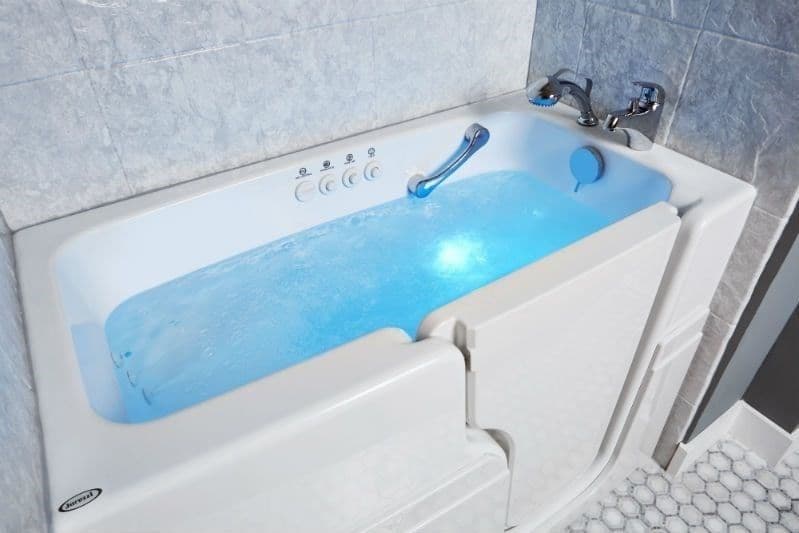
When comparing sit-down vs stand-up walk-in tubs, the main distinction lies in how you use them. Sit-down models resemble a deep soaking tub with a built-in seat, while stand-up versions are more like a walk-in shower with a low threshold and upright design. Each type offers unique advantages and potential drawbacks depending on your physical needs and bathroom layout.
Sit-Down Walk-In Tubs: Comfort and Soaking Benefits
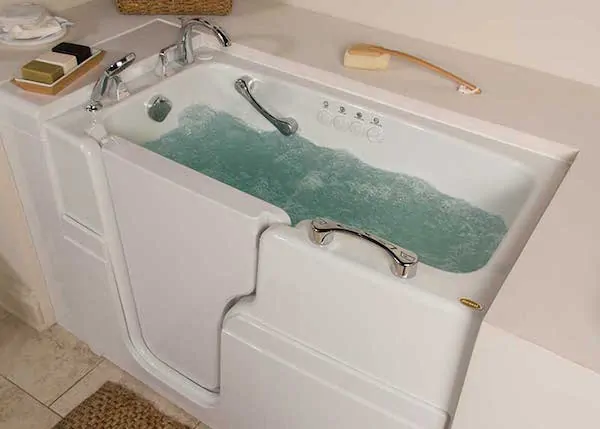
Sit-down walk-in tubs are designed for users who prefer or require the ability to bathe while seated. These tubs feature a watertight door, a molded seat, and often include hydrotherapy jets for added relaxation. The deep basin allows for full-body soaking, which can be especially beneficial for those with joint pain, arthritis, or circulation issues.
- Safety: Low step-in height and built-in grab bars minimize fall risk.
- Therapeutic features: Many models offer whirlpool or air jets for muscle relief.
- Comfort: The seated position reduces strain on knees and hips.
- Space requirements: Typically larger than standard tubs, requiring more bathroom space.
For those interested in maximizing comfort and safety, it’s also worth learning about walk-in tub suction safety features that help prevent entrapment and ensure a secure bathing experience.
Stand-Up Walk-In Tubs: Accessibility and Space Efficiency
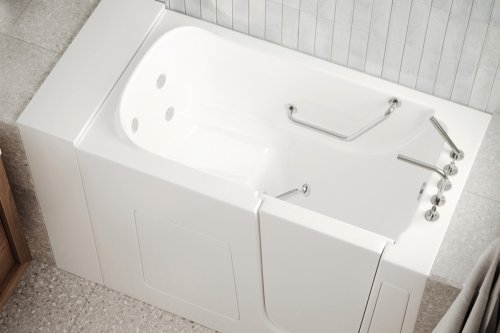
Stand-up walk-in tubs, sometimes called walk-in showers or hybrid units, are ideal for users who prefer to bathe while standing or need a solution for smaller bathrooms. These units typically have a low threshold for easy entry, non-slip flooring, and sturdy handrails. Some models include a fold-down seat for added flexibility.
- Accessibility: Easier for those with limited mobility who can stand but struggle to step over a high tub wall.
- Space-saving: Compact footprint fits well in smaller bathrooms.
- Quick entry and exit: Ideal for users who want a fast, efficient bathing routine.
- Customization: Can often be paired with adjustable showerheads and other adaptive features.
For elderly users or those with significant mobility challenges, the benefits of walk-in showers for elderly individuals are well-documented, offering both safety and independence.
Key Factors to Consider When Choosing a Walk-In Tub
Before making a decision, consider the following factors to ensure your new tub meets your needs:
- Mobility: Assess whether you are more comfortable sitting or standing while bathing. Sit-down tubs are best for those who need support, while stand-up models suit those with better balance.
- Bathroom size: Measure your available space. Sit-down tubs often require more room, while stand-up units can fit into tighter layouts.
- Therapeutic needs: If you benefit from hydrotherapy, look for sit-down tubs with jets. For quick showers, a stand-up model may suffice.
- Installation: Consider plumbing and electrical requirements, especially if you plan to add features like heated seating or advanced jets. For safety, review tips on how to check walk-in tub electrical grounding.
- Budget: Prices vary widely based on features, size, and installation complexity. Weigh the long-term benefits against upfront costs.
Comparing Safety and Maintenance Features
Both types of walk-in tubs are designed with safety in mind, but there are differences in their features and upkeep:
| Feature | Sit-Down Walk-In Tub | Stand-Up Walk-In Tub |
|---|---|---|
| Entry Threshold | Low (typically 3-7 inches) | Very low (often 2-4 inches) |
| Built-In Seating | Standard | Optional (fold-down or none) |
| Hydrotherapy Jets | Common | Rare |
| Cleaning & Maintenance | Requires regular cleaning of jets and seals | Generally easier to clean |
| Drainage Time | Longer (must wait for water to drain before exiting) | Shorter (less water used) |
For ongoing care, using the right cleaning tools is essential. Discover the benefits of microfiber towels for walk-in showers to keep your tub spotless and extend its lifespan.
Who Should Choose Each Type?
The best walk-in tub for you depends on your individual needs and preferences:
- Choose a sit-down model if you value long, therapeutic soaks, need extra support, or want advanced features like jets and heated seating.
- Opt for a stand-up version if you prefer quick showers, have limited bathroom space, or want the flexibility to stand or sit as needed.
It’s also important to consider any unique safety needs. For example, those sensitive to noise may want to research how to troubleshoot walk-in tub jet noise to ensure a peaceful bathing experience.
Frequently Asked Questions
Are sit-down walk-in tubs safer than stand-up models?
Both designs are built with safety in mind, featuring low thresholds, non-slip surfaces, and grab bars. Sit-down tubs offer the added benefit of a stable seat, which can be safer for those with balance issues. Stand-up models are easier to enter and exit for users who can stand comfortably.
Do walk-in tubs require special plumbing or electrical work?
Many walk-in tubs, especially those with jets or heated features, may require upgrades to your plumbing or electrical systems. It’s best to consult a professional installer to assess your bathroom’s readiness and ensure safe operation.
How do I maintain a walk-in tub to keep it in good condition?
Regular cleaning is important for both types. Sit-down tubs with jets need periodic flushing to prevent buildup, while stand-up models are generally easier to clean. Using microfiber towels and gentle cleaners can help maintain the tub’s finish and functionality.
Conclusion
Deciding between a sit-down and a stand-up walk-in tub comes down to your mobility, space, and bathing preferences. Both options offer significant safety improvements over traditional tubs, but each serves a different set of needs. By weighing the features, installation requirements, and maintenance considerations, you can select the solution that best supports your independence and comfort in the bathroom.