
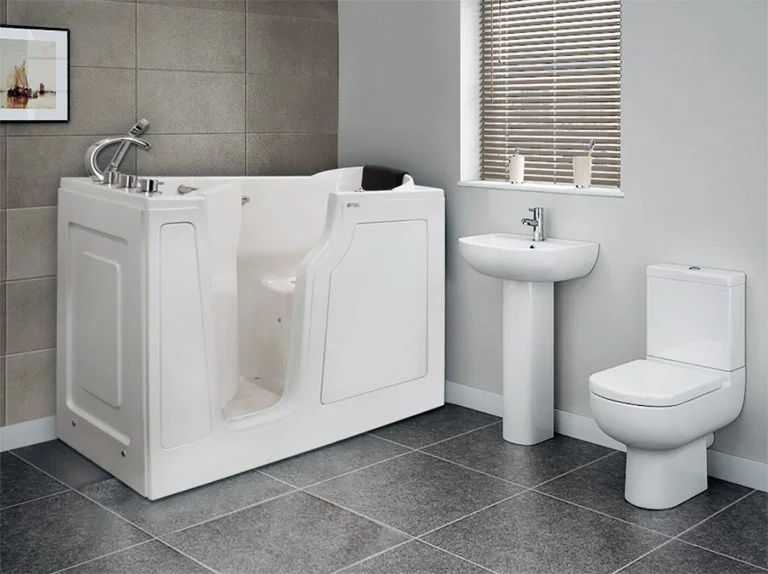
Finding the right support for your head and neck can make a significant difference in your bathing experience, especially when using a walk-in tub. Proper positioning and the right accessories not only enhance comfort but also contribute to better relaxation and safety. This article will guide you through essential walk-in tub headrest and neck support tips to help you get the most from your bath, whether you’re seeking relief from muscle tension, improved posture, or simply a more enjoyable soak.
Before diving into specific recommendations, it’s important to understand how ergonomic support in a walk-in tub can impact your overall well-being. Many users overlook the importance of head and neck alignment, which can lead to discomfort or even strain during longer baths. By making a few adjustments and choosing the right products, you can transform your tub into a true sanctuary for relaxation.
For those interested in related safety and maintenance topics, you may also want to learn about how to check walk-in tub electrical grounding to ensure your bathing environment remains secure and reliable.
Why Proper Head and Neck Support Matters in Walk-In Tubs
Spending time in a walk-in tub is meant to be soothing, but poor support can quickly turn a relaxing bath into an uncomfortable experience. The head and neck are particularly vulnerable to strain if not properly cushioned or aligned. Here’s why focusing on these areas is so important:
- Reduces Muscle Tension: Proper support helps relax the muscles in your neck and shoulders, minimizing stiffness and soreness after bathing.
- Prevents Strain: Without adequate cushioning, you may unconsciously tense your neck, leading to discomfort or even headaches.
- Improves Posture: Good alignment supports your spine and can help prevent slouching, which is especially important for those with mobility issues.
- Enhances Safety: Stable support reduces the risk of slipping or awkward movements when entering or exiting the tub.
Choosing the right accessories and making small adjustments can address these concerns and help you enjoy all the therapeutic benefits your walk-in tub has to offer.
Choosing the Best Headrest for Your Walk-In Tub
One of the most effective ways to boost comfort is by selecting a headrest designed specifically for walk-in tubs. Here are some key considerations when shopping for a head and neck cushion:
- Material: Look for waterproof, mildew-resistant materials like vinyl or silicone. These are easy to clean and maintain their shape over time.
- Shape and Contour: Ergonomic designs that cradle the neck and head provide better support than flat cushions. Some models offer memory foam for added comfort.
- Attachment Method: Suction cups are common and allow for easy repositioning. Ensure the suction is strong enough to hold the cushion securely during use.
- Adjustability: Adjustable headrests let you customize the height and angle, which is important for users of different heights or those with specific support needs.
When selecting a headrest, consider your personal preferences and any mobility or health concerns. A well-chosen cushion can make a noticeable difference in your bathing routine.
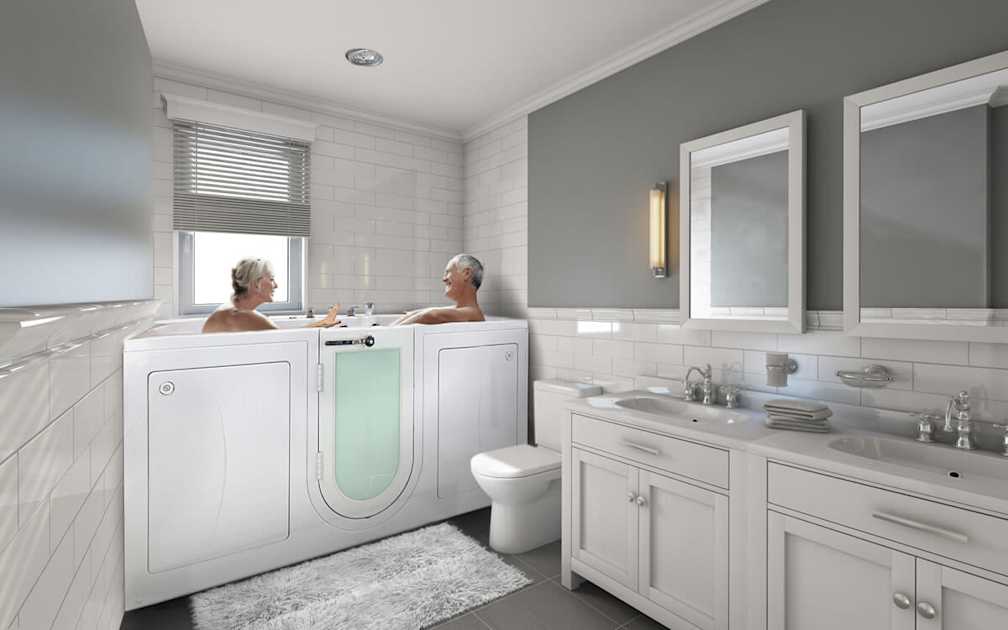
Neck Support Strategies for Maximum Comfort
Beyond choosing a quality headrest, there are several practical strategies to further enhance neck support in your walk-in tub:
- Adjust Tub Seating: Ensure your seat is at the right height so your neck is not hyperextended or compressed. Some walk-in tubs offer adjustable seating for this purpose.
- Use Rolled Towels: If you need extra support, a rolled towel placed behind your neck can provide gentle cushioning and help maintain alignment.
- Experiment with Placement: Move your headrest or pillow up or down until you find the most comfortable position. Everyone’s anatomy is different, so a little experimentation goes a long way.
- Take Breaks: If you’re soaking for an extended period, gently stretch your neck and shoulders every so often to prevent stiffness.
These simple adjustments can help you find the perfect balance between support and relaxation, making each bath more enjoyable and restorative.
Maintaining and Cleaning Headrests and Cushions
Keeping your headrest and neck support accessories clean is essential for hygiene and longevity. Here are some maintenance tips:
- Rinse After Each Use: Quickly rinsing off your headrest prevents soap scum and residue buildup.
- Regular Deep Cleaning: Once a week, wash the cushion with mild soap and warm water. Avoid harsh chemicals that can degrade the material.
- Dry Thoroughly: Allow the headrest to air dry completely before reattaching it to the tub. This prevents mold and mildew growth.
- Inspect for Wear: Check suction cups and seams regularly to ensure the cushion remains secure and intact.
Proper care will extend the life of your accessories and keep your bathing environment fresh and inviting.
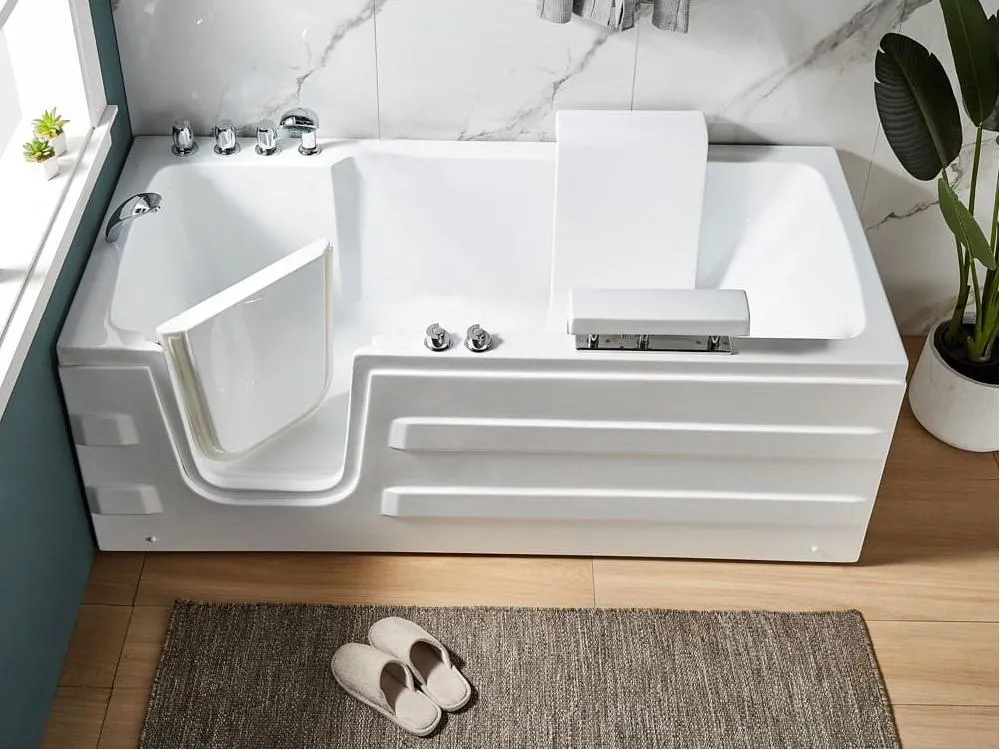
Additional Relaxation Enhancements for Your Bath
While head and neck support are crucial, there are other ways to elevate your walk-in tub experience:
- Hydrotherapy Jets: Many walk-in tubs feature jets that can massage your neck and shoulders, further relieving tension. For more on this, see the walk-in tub foot massage jet benefits article.
- Ambient Lighting: Soft lighting can create a calming atmosphere, helping you unwind both physically and mentally.
- Aromatherapy: Adding essential oils or bath salts can enhance relaxation and soothe sore muscles.
- Music or Guided Meditation: Listening to calming sounds or guided relaxation tracks can help you fully disconnect from daily stress.
Combining these enhancements with proper head and neck support can turn your bath into a truly spa-like experience at home.
Safety and Aging-in-Place Considerations
For older adults or those with mobility challenges, safety is just as important as comfort. Ensuring your headrest and neck support are secure helps prevent slips or sudden movements. For more insights on accessible bathing, you might find this resource on aging-in-place walk-in showers helpful when considering future upgrades or modifications.
Always check that your accessories are firmly attached before each use, and consider additional features like grab bars or non-slip mats for added peace of mind.
Frequently Asked Questions
How do I choose the right headrest for my walk-in tub?
Look for a headrest made from waterproof, mildew-resistant materials with ergonomic contours that fit your neck and head. Suction cup attachments are popular for their adjustability and ease of use. Consider your height, preferred seating position, and any specific support needs when making your selection.
Can I use regular bath pillows in a walk-in tub?
While some regular bath pillows may work, it’s best to use products specifically designed for walk-in tubs. These are typically shaped to fit the unique contours of the tub and offer better water resistance and durability.
How often should I clean my headrest and neck cushion?
Rinse your headrest after every bath and perform a more thorough cleaning with mild soap and water weekly. Always allow the cushion to dry completely before reattaching to prevent mold and mildew.
Conclusion
Prioritizing head and neck support in your walk-in tub can significantly enhance your comfort, safety, and relaxation. By choosing the right accessories, maintaining them properly, and making small adjustments to your bathing setup, you’ll enjoy a more restful and rejuvenating experience every time. For further tips on optimizing your walk-in tub, explore topics like how to troubleshoot walk-in tub jet noise or discover the walk-in tub suction safety features that help keep your bathing environment secure.