
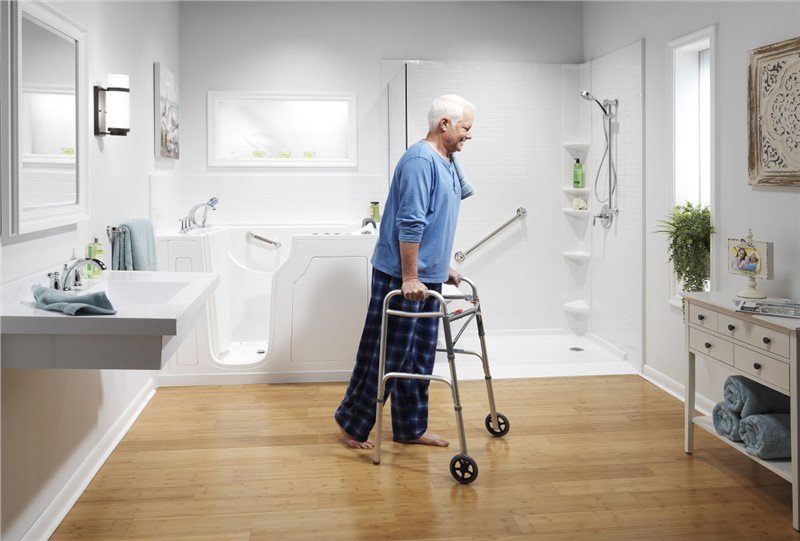
Walk-in tubs offer safety and comfort for people with mobility challenges, but keeping them watertight is essential for both convenience and bathroom protection. Leaks around the door can lead to water damage, mold growth, and unnecessary repair costs. Understanding how to prevent leaks in walk-in tub doors is crucial for maintaining a safe and functional bathing environment. This guide covers practical steps for leak prevention, routine care, and troubleshooting common issues.
Before diving into maintenance strategies, it’s helpful to know that walk-in tubs are designed with specialized seals and locking mechanisms to keep water inside. However, like any mechanical system, these components require regular attention. If you’re also interested in related safety features, you may want to read about walk-in tub suction safety features and how they help prevent entrapment.
Understanding Common Causes of Door Leaks
To effectively manage and prevent leaks, it’s important to recognize why they occur. Most walk-in tub door leaks stem from:
- Worn or damaged door seals that no longer provide a tight barrier.
- Improper door alignment due to loose hinges or frame warping.
- Debris or soap scum buildup interfering with the seal’s contact surface.
- Incorrect closing or locking of the door, which prevents the seal from engaging fully.
By addressing these root causes, you can significantly reduce the risk of water escaping during use.
Routine Maintenance for Leak Prevention
Consistent care is the best defense against leaks. Here are essential maintenance tips to keep your walk-in tub door watertight:
-
Inspect Door Seals Regularly
Examine the rubber gasket or seal around the door at least once a month. Look for cracks, flattening, or signs of wear. If the seal appears brittle or damaged, replace it promptly to maintain a proper barrier. -
Keep the Seal and Door Clean
After each use, wipe down the door and seal with a soft, damp cloth to remove soap residue and debris. Avoid harsh chemicals that could degrade the rubber. For a deeper clean, use a mild, non-abrasive cleaner recommended by your tub manufacturer. -
Check Door Alignment
Ensure the door closes smoothly and lines up with the frame. If you notice resistance, sagging, or misalignment, adjust the hinges or consult a professional installer. Proper alignment is key to a leak-free seal. -
Operate the Locking Mechanism Carefully
Always close and lock the door according to the manufacturer’s instructions. Forcing the lock or slamming the door can damage the seal and compromise water-tightness.
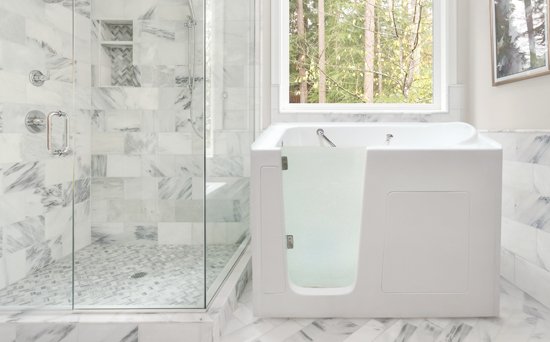
Advanced Tips for Keeping Walk-In Tub Doors Leak-Free
Beyond basic upkeep, there are additional steps you can take to further minimize the risk of leaks:
-
Lubricate the Door Seal
Some manufacturers recommend applying a silicone-based lubricant to the rubber seal every few months. This keeps the material supple and helps maintain a tight fit. -
Monitor Water Levels
Avoid filling the tub above the recommended maximum. Excess water can put extra pressure on the door seal, increasing the chance of leaks. -
Schedule Professional Inspections
If your tub is used frequently or is several years old, consider having a professional check the door, seal, and locking mechanism annually. They can spot issues early and suggest repairs before leaks develop.
For more on keeping your walk-in tub in top shape, you might also find our article on how to troubleshoot walk-in tub jet noise helpful.
What to Do If You Notice a Leak
If you discover water escaping from your walk-in tub door, act quickly to prevent further damage:
- Stop using the tub until the cause is identified and fixed.
- Dry the area thoroughly to prevent slips and water damage.
- Inspect the door seal for visible damage or debris.
- Check that the door is closing and locking properly.
- If the problem persists, contact a qualified technician or your tub manufacturer for guidance.
Prompt attention to leaks can save you from more costly repairs down the line.
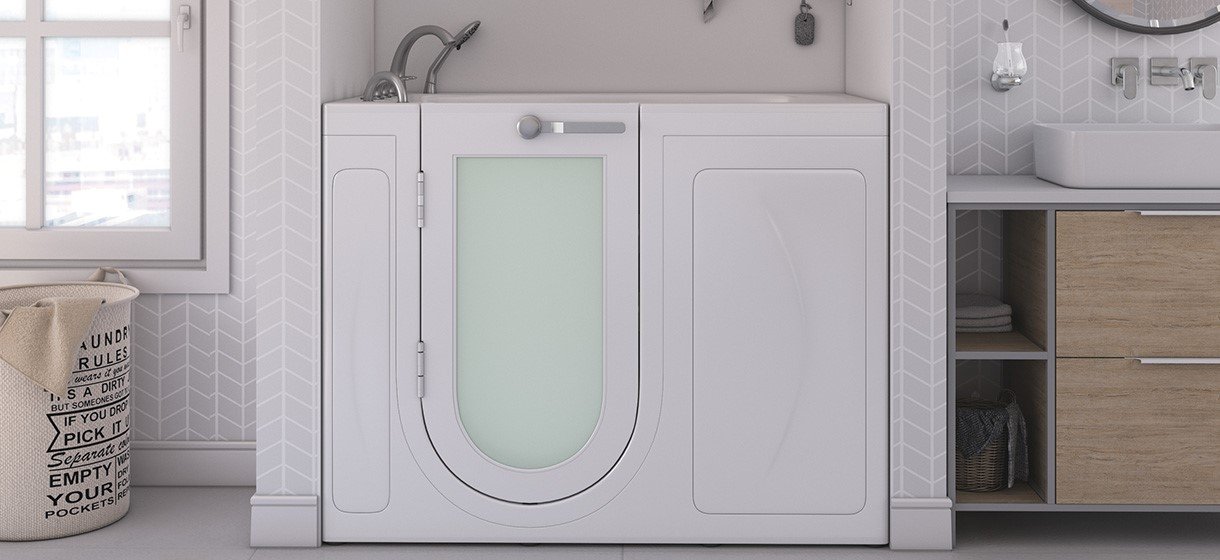
Choosing the Right Walk-In Tub for Leak Prevention
Not all walk-in tubs are created equal when it comes to leak resistance. When shopping for a new model, look for:
- High-quality door seals made from durable, flexible materials.
- Sturdy locking mechanisms that ensure even pressure along the seal.
- Positive customer reviews regarding leak prevention and long-term performance.
- Warranty coverage for the door and seal components.
For a detailed overview of walk-in tubs designed for seniors and their leak-resistant features, visit this comprehensive guide to walk-in tubs for seniors.
Additional Maintenance Resources
Maintaining a leak-free walk-in tub goes hand in hand with other aspects of tub care. For example, keeping the jets in good condition can also help prevent unexpected issues. You may be interested in learning about walk-in tub foot massage jet benefits for circulation or how to check walk-in tub electrical grounding for safety. For cleaning tips, see the benefits of microfiber towels for walk-in showers to keep your bathroom surfaces spotless and free from buildup that could affect seals.
Frequently Asked Questions
How often should I replace the door seal on my walk-in tub?
Most manufacturers recommend inspecting the door seal every few months and replacing it every 1–2 years, or sooner if you notice signs of wear, cracking, or loss of flexibility. Regular inspection ensures you catch problems before they cause leaks.
Can I use household cleaners on the door seal?
It’s best to avoid harsh chemicals or abrasive cleaners, as these can degrade the rubber and reduce its effectiveness. Use a mild soap or a cleaner specifically recommended by your tub manufacturer, and always rinse thoroughly after cleaning.
What should I do if the door is difficult to close or lock?
If the door is hard to operate, check for debris or buildup around the seal and clean it gently. If the issue persists, the hinges or locking mechanism may need adjustment. Consult your owner’s manual or contact a professional for assistance to prevent damaging the seal.
Are there walk-in tubs that are less likely to leak?
Yes, some brands offer advanced sealing technology and more robust locking systems. Look for models with strong customer reviews regarding leak prevention, and always verify warranty coverage for door and seal components before purchasing.