
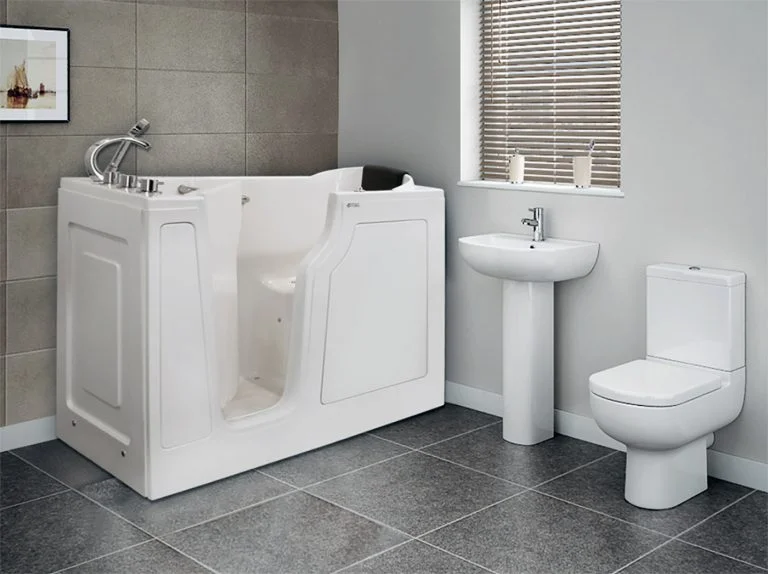
Safety and comfort are top priorities for anyone considering a walk-in tub, especially for seniors or those with mobility challenges. One of the most important innovations in modern walk-in bathtubs is the inclusion of walk-in tub overflow protection features. These systems are specifically designed to prevent accidental water spillage, protect your bathroom from water damage, and provide peace of mind during every bath.
Understanding how these overflow safeguards function—and what sets them apart from traditional bathtub drains—can help you make an informed decision when choosing a tub for your home. In this article, we’ll explore the different types of overflow protection, how they operate, and why they matter for safety and convenience. For those interested in related bathroom safety upgrades, you may also want to learn about walk-in shower grab bar weight ratings to ensure proper support in your bathing area.
Why Overflow Protection Is Essential in Walk-In Tubs
Unlike standard bathtubs, walk-in tubs are designed with higher walls to allow users to soak comfortably while seated. This increased water capacity, combined with the need for a watertight door, makes effective overflow prevention crucial. Without reliable overflow protection, even a small oversight—like forgetting to turn off the faucet—could result in significant water escaping onto the bathroom floor, leading to slip hazards, mold, and costly repairs.
Modern walk-in tubs address these risks by integrating advanced overflow systems that automatically redirect excess water before it reaches the rim. This proactive approach not only protects your home but also enhances the user experience by allowing you to relax without constantly monitoring water levels.
Types of Overflow Protection Systems in Walk-In Bathtubs
There are several common mechanisms used to prevent overfilling in walk-in tubs. Each offers unique benefits and may be combined for maximum safety. Here are the most widely used solutions:
- Traditional Overflow Drains: These are openings located near the top of the tub wall. When water reaches this level, it flows into the drain and is safely routed away, preventing spillage.
- Integrated Overflow Channels: Some walk-in tubs feature built-in channels or troughs that capture and direct excess water back into the main drain system, offering a more seamless appearance and improved efficiency.
- Automatic Shut-Off Valves: Advanced models may include sensors that detect rising water and automatically stop the flow from the faucet, providing an extra layer of protection.
How Overflow Drains and Channels Work
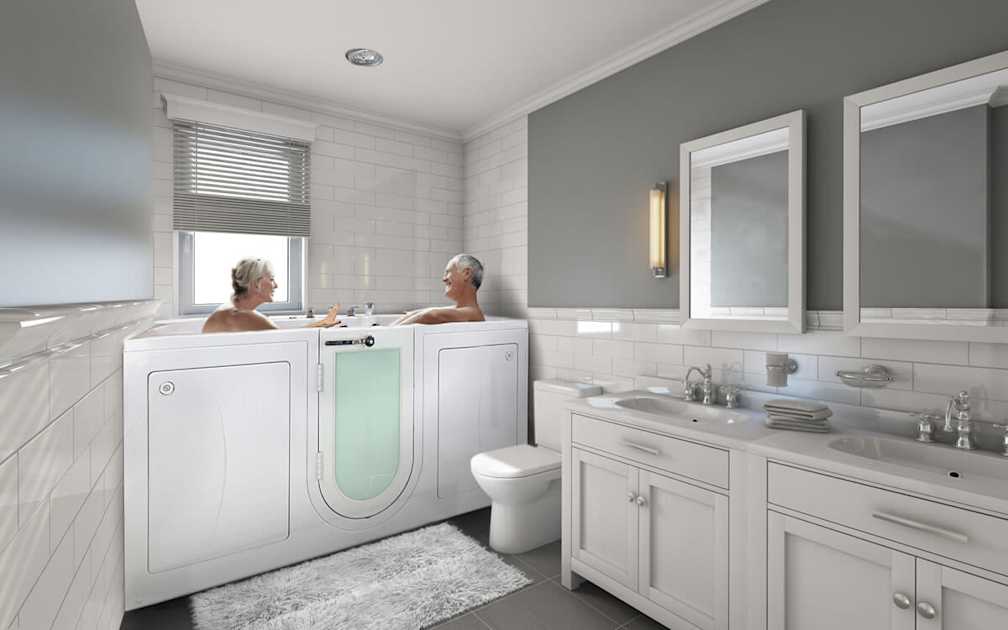
The most common walk-in tub overflow protection features rely on a combination of overflow drains and internal channels. Here’s a closer look at how these systems function:
- Overflow Drain Placement: The overflow drain is typically positioned just below the top edge of the tub. When the water level rises to this point, gravity causes the excess to flow directly into the drain, bypassing the door and rim.
- Channeling Excess Water: Some tubs use molded channels that discreetly guide water from the overflow opening to the main drain, reducing the risk of leaks and keeping the system efficient.
- Seamless Integration: Modern designs often blend these features into the tub’s structure, maintaining aesthetics while ensuring safety.
By combining these elements, manufacturers can offer a reliable solution that minimizes the risk of accidental flooding, even if the user is distracted or unable to respond quickly to rising water.
Automatic Shut-Off Valves and Smart Features
For those seeking the highest level of protection, some walk-in tubs now include automatic shut-off valves or smart sensors. These advanced features detect when the water nears the overflow threshold and automatically stop the faucet, preventing further filling. This is especially valuable for individuals with limited mobility or memory concerns, as it removes the need for constant supervision during the filling process.
While not standard on all models, these smart systems represent the future of accessible bathing, offering both convenience and peace of mind. When shopping for a walk-in tub, consider whether these advanced options align with your needs and budget.
Benefits of Reliable Overflow Protection
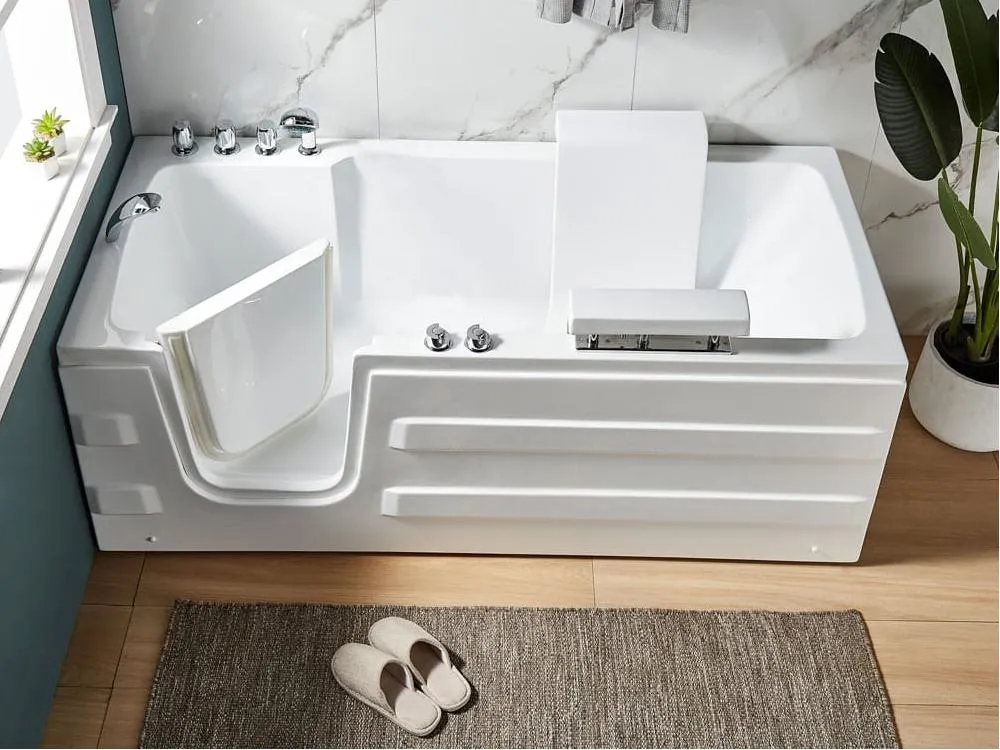
Investing in a walk-in tub with robust overflow safeguards offers several key advantages:
- Prevents Water Damage: By stopping spills before they happen, you protect your floors, walls, and substructures from costly repairs.
- Reduces Slip Hazards: Keeping water inside the tub minimizes the risk of slippery surfaces and falls.
- Enhances Independence: Users can bathe confidently, knowing that safety measures are in place even if they forget to monitor the water level.
- Peace of Mind for Caregivers: Family members and caregivers can trust that the bathing environment is secure, reducing the need for constant supervision.
Choosing the Right Tub for Your Needs
When selecting a walk-in tub, it’s important to compare models based on their overflow protection systems, as well as other safety and comfort features. Look for tubs with well-placed overflow drains, integrated channels, and—if possible—automatic shut-off technology. Reading product specifications and reviews can help you identify which models offer the best protection for your situation.
For those interested in the structural aspects of accessible tubs, you may also want to explore walk-in tub frame construction types to understand the differences between steel and aluminum frames.
Installation and Maintenance Tips
Proper installation is essential to ensure that overflow protection features work as intended. Always hire a qualified professional to install your walk-in tub, and make sure they test the overflow system during setup. Regular maintenance—such as checking for blockages in the overflow drain and cleaning any accessible channels—will keep the system functioning smoothly for years to come.
It’s also wise to periodically inspect seals and gaskets, especially around the door and overflow areas, to prevent leaks. If you ever notice water escaping or reduced drainage, address the issue promptly to avoid long-term damage. For troubleshooting common issues, such as leaks, you can refer to guides like how to fix a leaking walk-in tub door.
Additional Safety and Accessibility Considerations
Overflow protection is just one aspect of creating a safe and accessible bathing environment. Consider pairing your walk-in tub with features like grab bars, non-slip flooring, and easy-to-reach controls. If you’re comparing options for other accessible bathing solutions, such as showers, you might find this resource on aging-in-place walk-in showers helpful for understanding the broader landscape of accessible bathroom design.
Frequently Asked Questions
How does a walk-in tub’s overflow drain differ from a standard bathtub?
Walk-in tubs typically have higher walls and a door, so their overflow drains are positioned to handle larger water volumes and prevent leaks around the entry. The design is more robust to account for the unique risks associated with accessible bathing.
Can overflow protection features fail?
While rare, blockages or improper installation can compromise overflow systems. Regular maintenance and professional installation greatly reduce the risk of failure. Always test the overflow function after installation and periodically during use.
Are automatic shut-off valves necessary?
Automatic shut-off valves add an extra layer of safety, especially for users who may forget to monitor water levels. While not strictly necessary for everyone, they are highly recommended for those with memory or mobility concerns.
Do all walk-in tubs come with overflow protection?
Most modern walk-in tubs include some form of overflow safeguard, but the quality and type can vary. Always check the product specifications to ensure the tub you choose offers reliable protection.
How can I maintain my tub’s overflow system?
Regularly check for debris in the overflow drain, clean accessible channels, and inspect seals. If you notice any issues, address them promptly to keep your tub safe and functional.